Strength Tattoo Ideas and What to Consider Before Getting Inked
Lion, oak tree, butterfly and other designs can symbolize resilience. Consider personal meaning, placement, studio hygiene and healing before getting a tattoo.
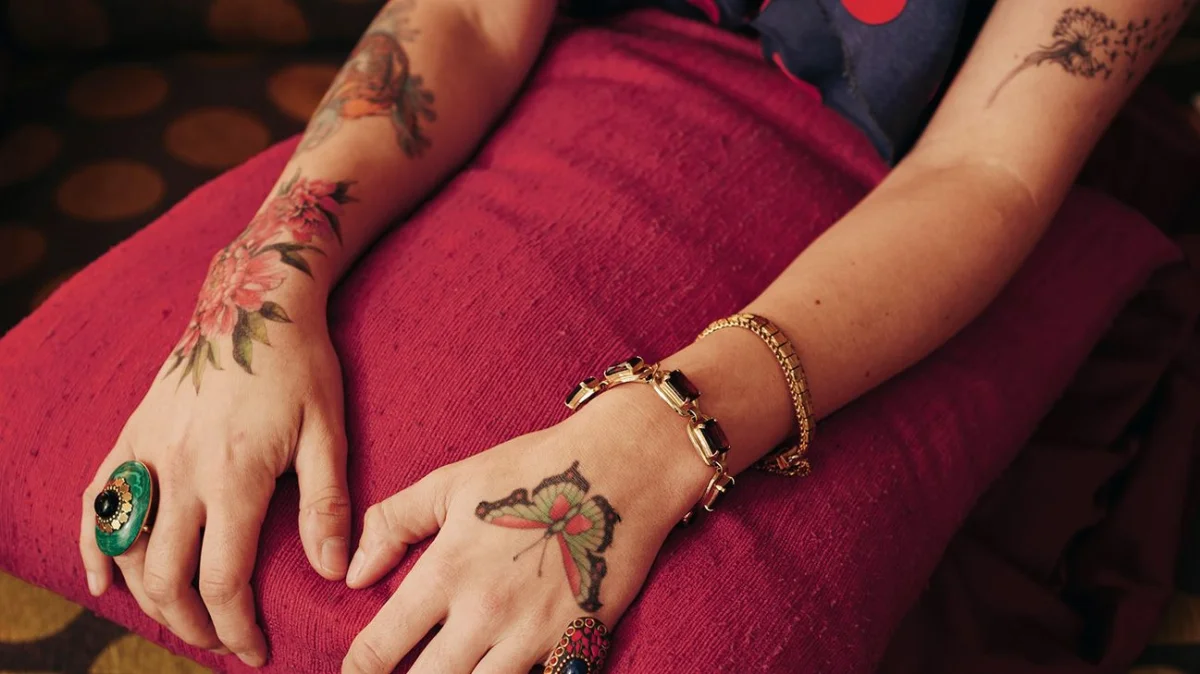
A tattoo can give a personal value or memory a visible form, but its meaning comes from the person wearing it rather than from a universal code. A lion may suggest courage to one person; an oak tree may represent steadiness to another. These designs can serve as reminders of experiences and priorities, though they can’t guarantee confidence or make difficult experiences disappear.
That distinction helps when choosing a symbol. Popular interpretations can offer a starting point, but the most lasting design is often the one connected to your own story. Think about what you want the image to bring to mind, and whether that association is likely to remain meaningful as your circumstances change.
Animal and nature symbols
Animals and plants are common choices for tattoos about strength because their familiar traits can carry personal associations. A design’s meaning isn’t fixed, though. The style, expression and surrounding details can shift the impression it makes.
- Lion: Often associated with courage and leadership, a lion can represent facing a challenge or taking responsibility for your own path. Some people may prefer a quiet, watchful image to a roaring one, depending on the quality they want to remember.
- Eagle: An eagle can stand for freedom, ambition or a wider perspective. Its meaning may come from a personal memory, a connection to nature or the idea of setting your own direction.
- Bear: A bear can suggest protection, endurance and a thoughtful kind of strength. Its size and posture can make the design feel gentle, alert or formidable.
- Oak tree: Deep roots and spreading branches can call to mind stability and growth through changing conditions. An oak might suit someone who associates strength with staying connected to family, place or personal values.
- Phoenix: This legendary bird is commonly linked with renewal after hardship. It may mark a transition or a new chapter, while also acknowledging that change can take time.
Symbols of change and perseverance
Other designs focus less on physical power and more on transformation, continuation or finding meaning during a hard period. Their associations can be personal, and some symbols carry particular significance for communities or individuals.
- Dragon: Dragons can represent mastery, mystery or force of will. Because interpretations vary across cultures and artistic traditions, it’s useful to consider the specific imagery and references behind the design you choose.
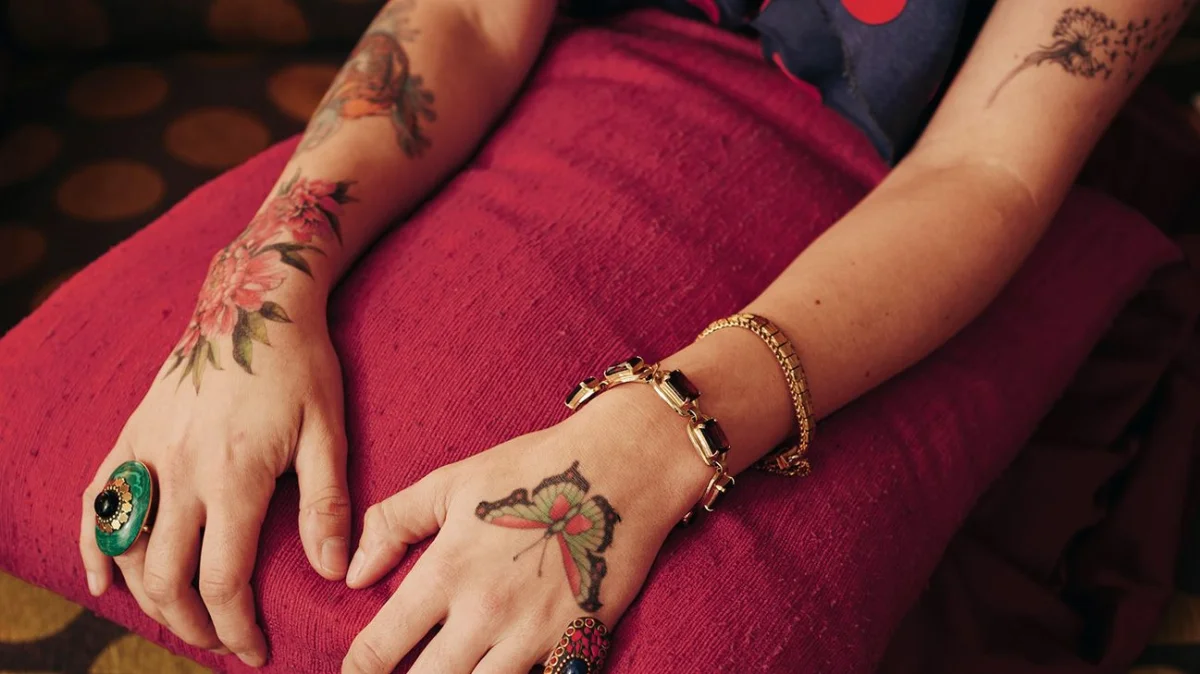
- Butterfly: A butterfly is often linked with change and transformation. It can mark a period of growth, while leaving room for a design that feels delicate, bold or somewhere in between.
- Semicolon: Some people use a semicolon to represent continuing their story through a difficult time. Its meaning is closely tied to mental health and personal experience, so it may prompt questions from others. Anyone considering this symbol can decide in advance how much, if anything, they want to share about it.
- Lotus: A lotus growing from muddy water is commonly read as an image of beauty and growth amid difficulty. The flower can be rendered simply or with details that reflect the wearer’s own interpretation.
These meanings are possibilities, not promises. A tattoo won’t resolve grief, trauma or another health concern. For some people, however, a chosen image can act as a private reminder of a value, a turning point or a source of support. The significance depends on the wearer, and it can evolve over time.
Decisions to make before an appointment
A meaningful concept still needs practical consideration. Tattoos are intended to be lasting, and removal can be difficult, costly and incomplete. Give yourself time to settle on the artwork and think through how it will fit your life.
- Personal meaning: Ask what you want the design to represent and whether you’ll feel comfortable with that meaning later. A trend or a symbol chosen mainly to please someone else may not feel as personal over time. More on symbolism appears in this guide to tattoo meaning.
- Placement and size: Consider how visible the tattoo will be in everyday settings, how the image will fit the body area and whether you may want space for other artwork. Clothing, work expectations and personal comfort can all affect placement decisions.
- Artist and style: Artists have different strengths, from fine line work to detailed, traditional or watercolor designs. Review portfolios for work similar to your idea, discuss the size and placement, and make sure you understand the proposed design before the session.
- Studio hygiene: Choose a professional studio that can explain its hygiene practices. Clean equipment and single-use needles help reduce infection risk; concerns about tattoo-related complications are discussed in this medical review.
- Healing and aftercare: Follow the artist’s aftercare guidance, including advice on keeping the area clean and protected. Healing needs can vary, and irritation or signs of infection warrant a conversation with a healthcare professional. See more on tattoo aftercare, tattoo healing, itching and exercise after a tattoo.
If you have a health condition, a history of skin reactions or questions about how a tattoo might affect your care, a doctor or pharmacist can help you think through relevant concerns before your appointment. The design itself is a personal choice; the studio’s hygiene practices and the care you give the area during healing also matter.
A lasting design with a personal meaning
Strength tattoos range from animals associated with courage to symbols that mark change or perseverance. Their value lies in what they mean to the person wearing them, not in any assured effect on wellbeing. Taking time to choose the image, artist and placement can help ensure the finished tattoo reflects a meaning you still want to carry.