European Beauty Standards: Effects on Self-Image and Everyday Life
Eurocentric beauty ideals can shape self-image and opportunities. Research cited here points to effects in hiring and children’s views of appearance.
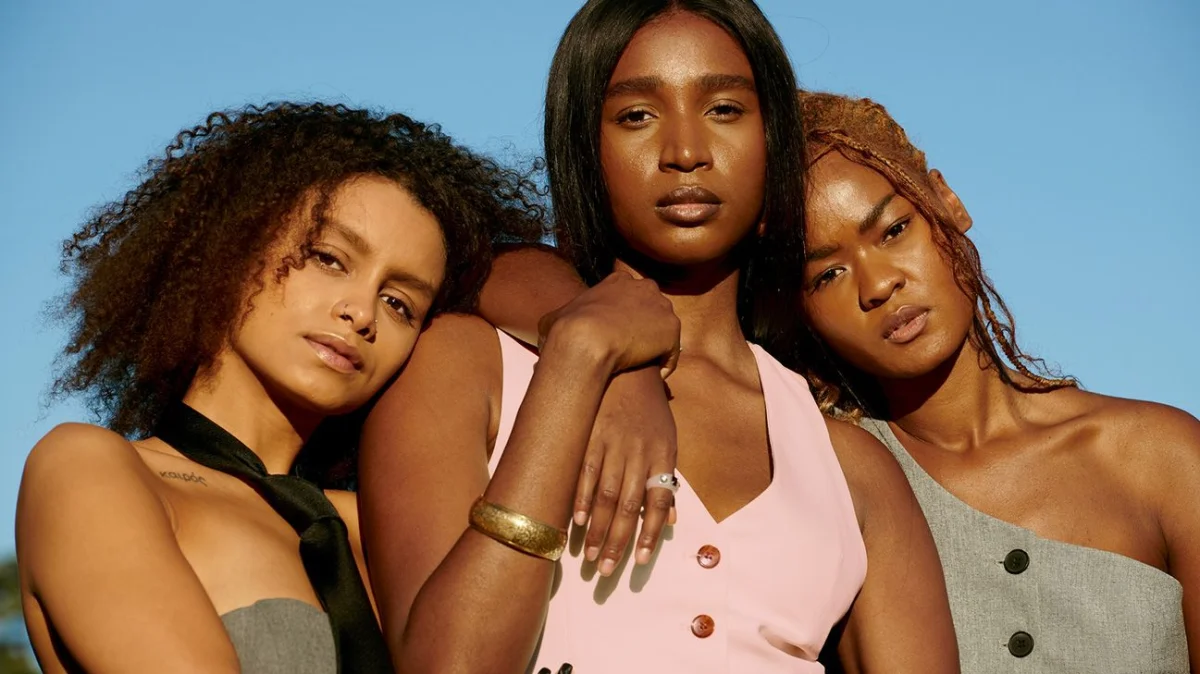
Beauty ideals can shape more than what people see in a mirror. When media and workplaces repeatedly favor light skin, light eyes, thin bodies, narrow noses and straight hair, those traits can become an unspoken measure of who is considered attractive or professional. The effects described in research cited here range from unequal treatment of Black women seeking work to young Black children expressing preferences for white features.
Independent artist and songwriter Siena Liggins describes European beauty standards as part of a broader cultural pattern. Challenging that pattern, she argues, requires change in who appears in popular culture and in who has the influence to shape creative decisions.
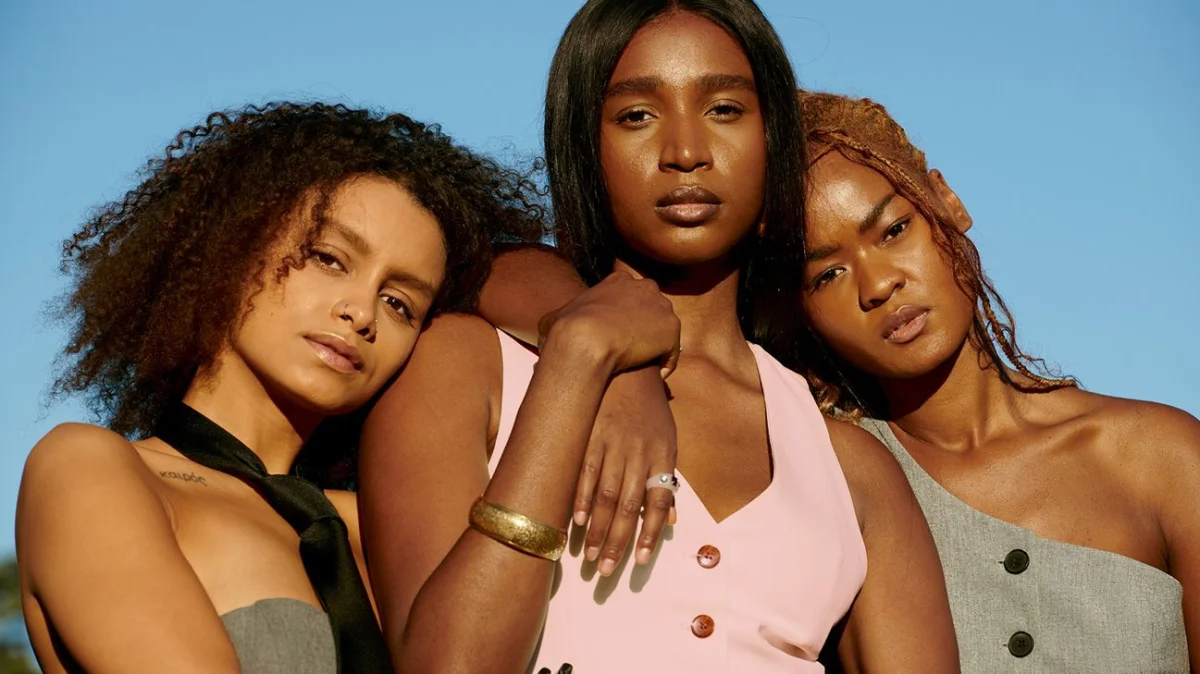
Which features are favored?
The standards discussed here center features associated with European ancestry: light skin and eyes, thin bodies, narrow noses and poker-straight hair. When those traits dominate images of beauty, people with other skin tones, hair textures and facial features can be left out or treated as less attractive. The article describes this as an exclusion of Black, Indigenous, Arab, and Asian and Pacific Islander people.
These ideals are not simply a matter of individual taste. Repeated images in entertainment and beauty industries can help establish which looks are treated as the default. That can have practical consequences: someone may struggle to find makeup in a suitable shade, or rarely see their features reflected in the media they watch.
Standards can shift while old preferences persist
Beauty ideals change over time, including in the United States. The article points to the contrast between the extremely thin “heroin chic” look associated with the 1990s and more recent attention to larger buttocks and breasts, sometimes alongside an emphasis on exercise. Shifting trends can change which body shapes receive attention, but they don’t necessarily end the preference for whiteness or thinness.
That distinction matters. A new trend may broaden the features celebrated in some settings while leaving other forms of exclusion intact. And when public discussion focuses on celebrities’ bodies or whether they use weight loss medication, it can keep thinness at the center of judgments about appearance. Trends alone don’t show that people’s experiences or opportunities have become more equal.
What the research cited here suggests
The article describes evidence of consequences in workplaces and in children’s self-perception. A 2020 study found that white women and Black women with straightened hair were more likely to receive job interviews than Black women wearing natural hairstyles, including afros, twists, curls or braids. The finding concerns interview opportunities in the study; it doesn’t establish that every employer treats applicants the same way, or explain every factor behind a hiring decision. It does, however, point to how appearance norms can affect access to work.
Research on children offers another window into how these preferences can take hold early. In the doll test, researchers showed Black children ages 3 to 7 four dolls that differed in skin color and asked questions about which dolls were nicest or prettiest and which they liked best. The article reports that two-thirds of the children chose the white doll. In a similar test in 2005, 16 of 21 preschool-aged Black children chose the white doll.
These results describe responses in particular studies, not the beliefs of every child. The samples and tasks also have limits: choosing a doll in a study can’t, on its own, explain a child’s broader sense of identity or all the influences behind an answer. Still, the findings raise a difficult question about what children may learn when positive images of some features are far more common than others.
Why representation alone may not be enough
Liggins says that change depends on people actively challenging familiar ideas. She points to Beyoncé’s song “AMERICAN REQUIEM,” from Cowboy Carter, and its suggestion that change can be part of how things continue. Liggins applies that idea to celebrity culture: the images audiences admire need to be reimagined repeatedly, rather than treated as fixed.
That reimagining, in her view, must extend beyond who appears in music videos. People with varied backgrounds, cultures and ethnicities also need to be involved in developing and carrying out creative ideas. If the people making those decisions remain narrow in background, visible diversity may arrive only in occasional bursts. Liggins warns that this can make inclusion feel like a passing trend rather than a lasting change.
For readers, the evidence points to a useful distinction: seeing more kinds of people in media matters, while workplace practices and the people shaping those images matter too. The cited studies don’t measure every effect of beauty ideals, and they don’t establish that any one change will remove discrimination or improve self-esteem. They do show why this topic reaches beyond personal preference. Sustained attention to representation, hiring and who gets to shape cultural images can help reveal whether change is becoming part of everyday practice.