Nopales: What Research Says About Prickly Pear Cactus and Health
Nopales offer nutrients and antioxidants, but research on blood sugar, joints and liver health remains limited and mixed.
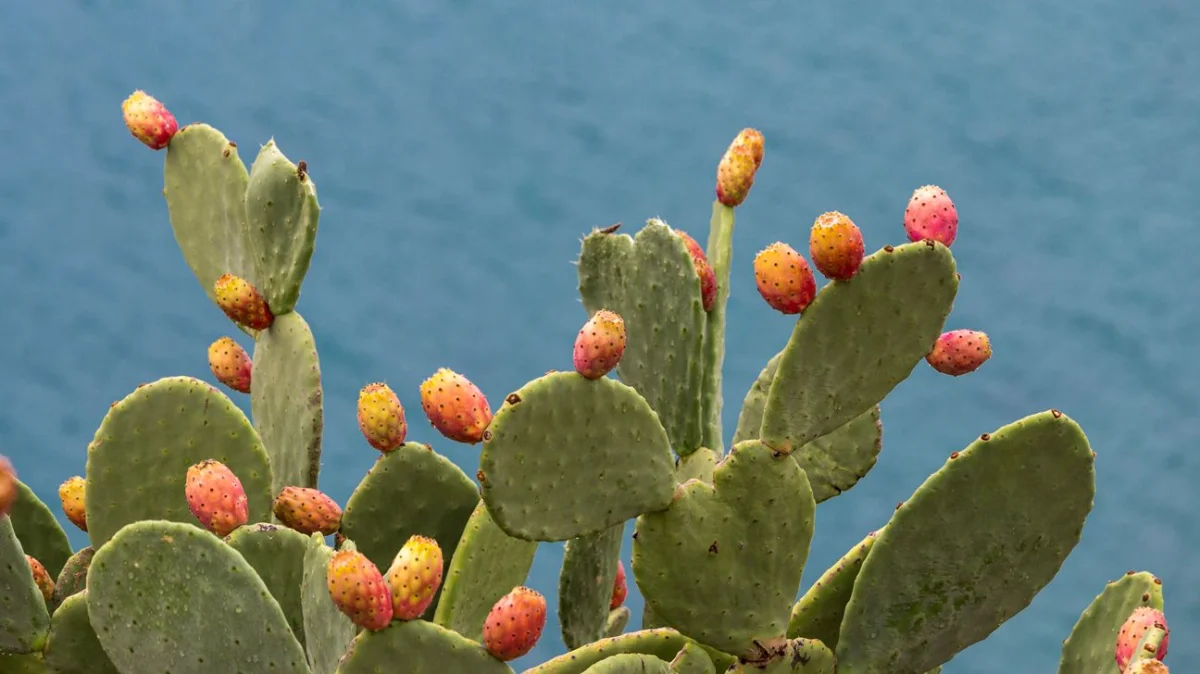
Nopales are an edible cactus food with promising early research behind some of their potential health effects. Studies have examined prickly pear’s antioxidants, blood sugar response, joint movement and liver health, but the evidence varies in strength. The findings make nopales an interesting food to learn about; they don’t establish it as a treatment or show that it prevents disease.
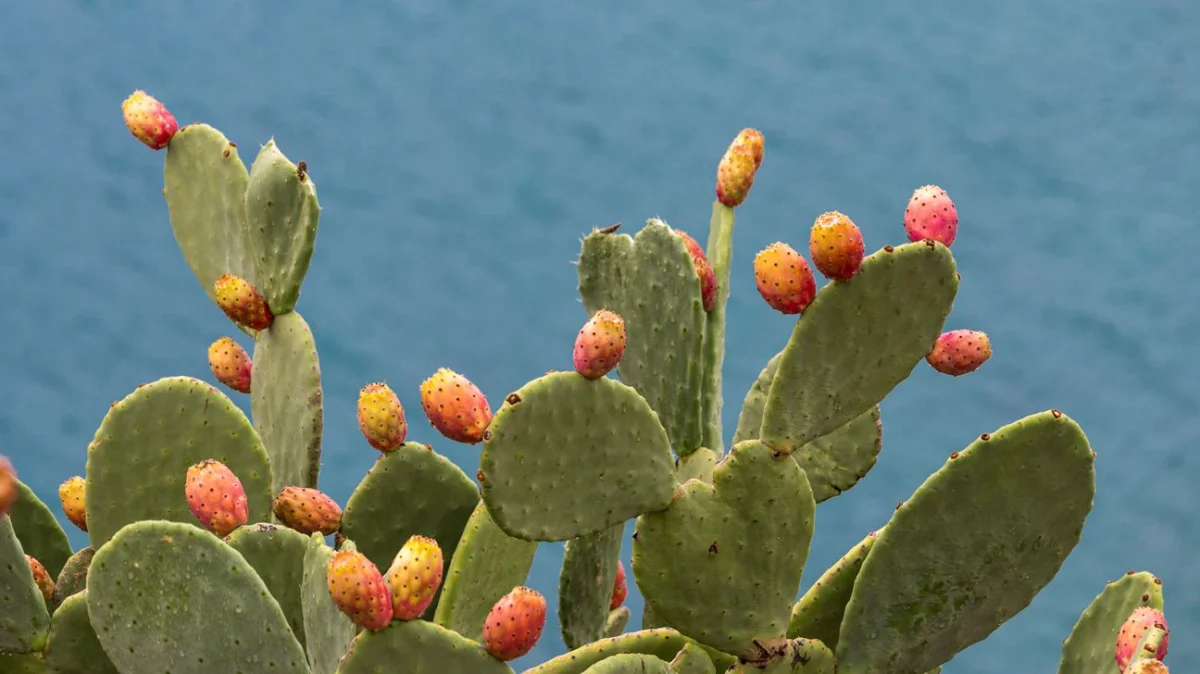
Nopales are the flat pads of the prickly pear cactus, also called nopal or opuntia. The plant grows in regions including Mexico, Arizona, the Mediterranean and Australia. Its pads and fruit can be eaten once the spines have been removed. In Mexican cooking, the pads are commonly boiled, grilled or sautéed. The fruit and flowers are also used in foods such as jams, jellies, pies and cakes.
What the research suggests
Antioxidants and inflammation: Prickly pear contains compounds with antioxidant activity, including ascorbic acid and phenolics. Research has also identified pigments called betacyanins and betaxanthins in the fruit. Antioxidants can interact with free radicals, which are molecules involved in cell damage and inflammation. That provides a possible explanation for health effects researchers are studying, but the presence of antioxidants in a food doesn’t by itself show that eating it will prevent or treat an inflammatory condition.
Joint movement: A 2020 study compared people who drank three ounces of prickly pear juice each day for eight weeks with a control group given a placebo. The juice group had better range of motion and reported greater ease with daily activities. This is a potentially useful early finding, but the source does not provide the study’s participant count or enough detail to judge how broadly the results apply. One study also can’t establish that juice will improve mobility for people with joint problems generally.
Blood sugar: In a 2014 study, 14 people with type 2 diabetes ate nopales alongside a high-carbohydrate breakfast. Their blood sugar and insulin levels were significantly lower than those of participants who did not eat the cactus pads. The small number of participants makes the result preliminary. A 2019 systematic review considered the wider research and found that evidence was not sufficient to support using nopales to lower the risk of type 2 diabetes. The review did note a possible effect on blood glucose. Taken together, these findings point to a question for further study, not a substitute for established diabetes care.
Liver health: Research published in 2023 examined a possible connection between prickly pear and triglycerides, a type of fat in the blood. The proposed link is that reducing triglyceride accumulation could ease stress on the liver. That mechanism remains an area of investigation; the available information doesn’t show that nopales prevent or treat liver disease.
Food, juice and supplements
Fresh nopales can be prepared at home by boiling, grilling or sautéing the pads after their spines have been removed. Prickly pear juice is another option. Packaged juice can contain added sugar, so checking the ingredient list can help readers understand what they’re buying. The source also describes supplements, which typically contain 500 to 650 milligrams per day, but that range should not be taken as a personal recommendation: products and individual health circumstances vary.
Food, juice and supplements aren’t interchangeable in the research. A study of juice, for example, does not establish that a supplement will produce the same effect. Nor do the reported findings show that any particular amount of nopales will improve health. People considering a supplement, especially those managing diabetes or taking medicines, can discuss it with a doctor or pharmacist. That conversation can help account for their health history and current treatment.
Possible side effects and practical context
Some people may experience nausea, mild diarrhea or a feeling of fullness after eating nopales. Someone trying the food for the first time may find it useful to pay attention to how their body responds. These effects are a reason to be cautious about assuming that a food or supplement will suit everyone.
Prickly pear juice contains potassium, magnesium and calcium, which are electrolytes. Its mineral content may make it one way to take in electrolytes through a drink, but the source does not establish it as a treatment for dehydration or illness. People who are unwell or concerned about hydration should seek advice appropriate to their circumstances.
The practical takeaway is straightforward: nopales can be prepared as a distinctive food, and early research gives scientists reasons to keep studying them. The strongest claims remain unsettled, especially around disease prevention and treatment. Future research will need to clarify which forms of prickly pear may have measurable effects, and for whom.