Thai Massage: What to Expect, Possible Benefits and Safety
Thai massage combines assisted stretches and pressure in a clothed, mat-based session. Learn what the experience involves and how to discuss comfort and health concerns.
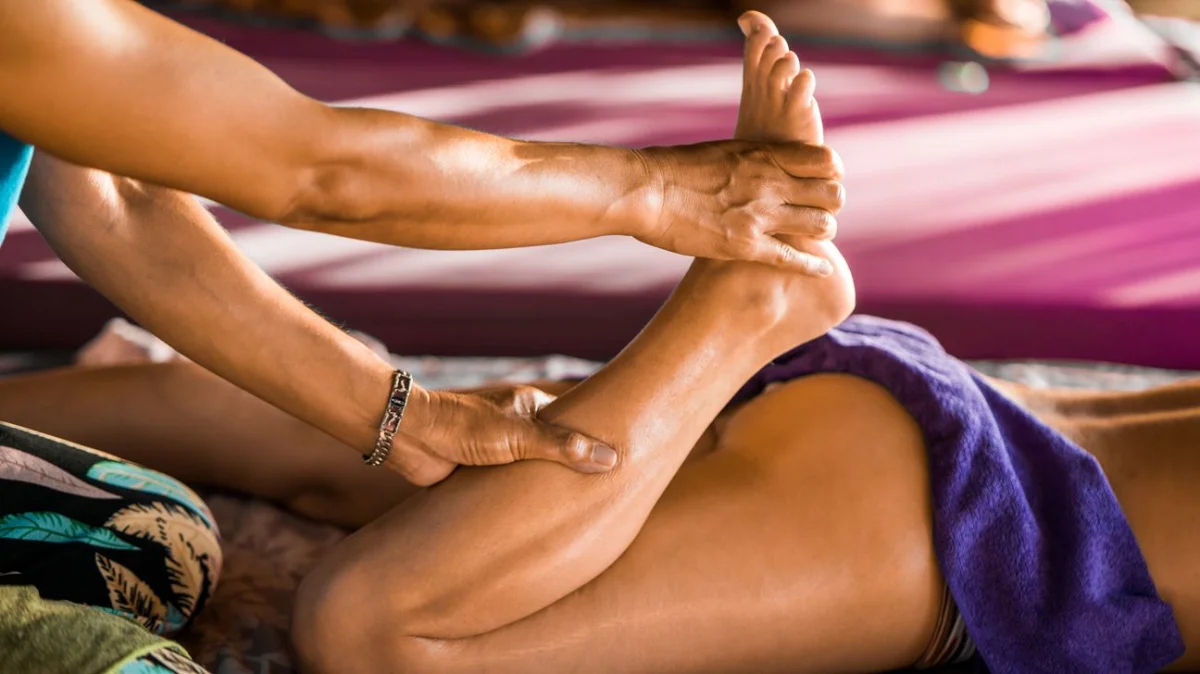
Thai massage is an active form of bodywork that combines assisted stretching, pressure and rhythmic movement. Its distinctive setup can help explain why it feels different from a massage on a table: clients remain clothed on a floor mat while a therapist guides them through a series of positions. Some people find the session relaxing or feel more flexible afterward, but experiences vary, and the available information here does not establish how reliably it treats any health condition.
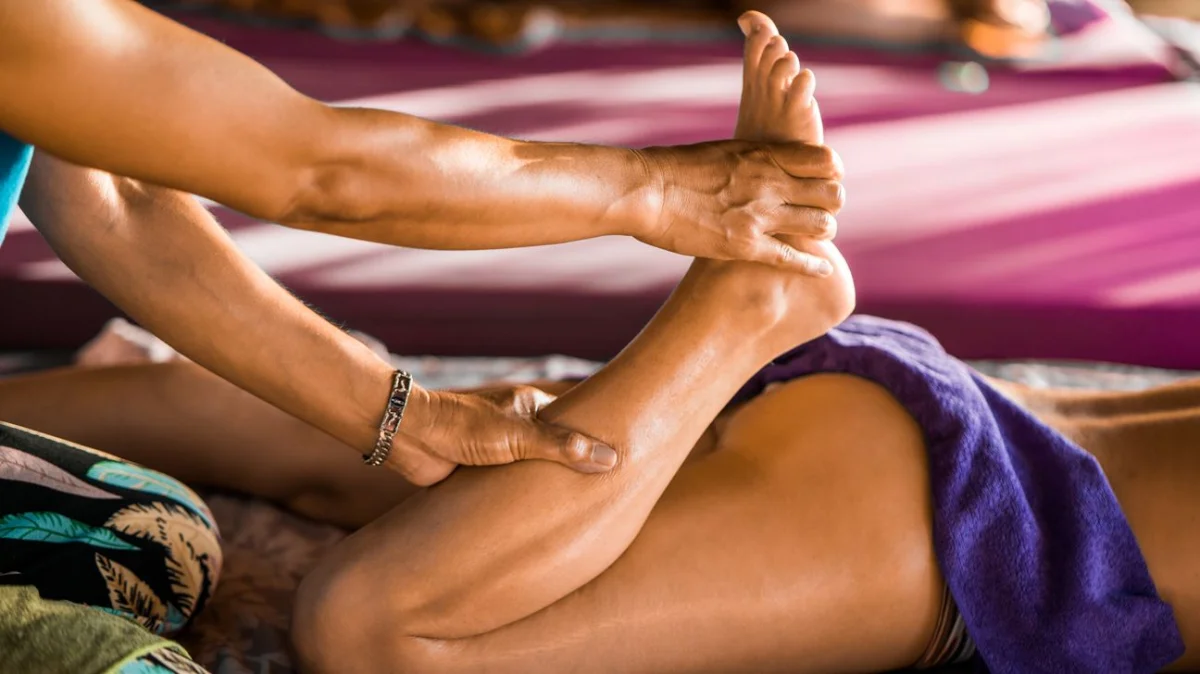
How Thai massage works
A session typically brings together assisted yoga-like stretches, acupressure and gentle rocking over about 60 to 90 minutes. Rather than resting passively while a therapist works on particular muscles, the client changes positions as the therapist uses their hands and body weight to guide movement and apply pressure. Sessions generally take place on a mat on the floor, and clients wear comfortable clothes.
The practice draws on Ayurvedic and traditional Chinese medicine traditions. In Thai massage, therapists may apply pressure along pathways sometimes called sen, which are described in the practice as energy lines. These ideas help explain the technique’s traditional framework; they should not be taken as proof that a massage changes a measurable energy flow or treats a medical problem.
For some people, the combination of movement, touch and time to focus on breathing may feel calming. The stretches may also leave a person feeling temporarily looser. Those are possible experiences, not guaranteed outcomes. The source material does not provide trial details or evidence that would establish the size or duration of any effect.
What happens during a session
Before the massage, the therapist may provide loose clothing, such as a T-shirt and drawstring pants. You’ll take off your shoes and jewelry and settle onto the mat. Mention injuries or areas of concern before the session begins. If you have a health condition, significant pain, limited mobility or uncertainty about whether assisted stretching is suitable for you, a conversation with a doctor or pharmacist can help you consider your circumstances.
The session may begin with you lying on your back while the therapist works from your feet and legs. They’ll then guide you through stretches and other positions, which may include lying on your stomach. Because the therapist uses their body weight to help move you, the pressure and movement can feel unfamiliar, especially during a first visit.
Some stretching may feel intense, but pain is not something you need to push through. Tell the therapist if a position or pressure feels uncomfortable, and ask them to adjust or stop. Keep communicating as the session changes. Breathing steadily and giving feedback can help the therapist understand what feels manageable for you. A session should not depend on tolerating pain to count as a useful experience.
Gentle rocking may be used near the end to ease the transition out of the massage. You may feel relaxed, sore or more mobile afterward; those responses differ from person to person. The source describes hydration and rest as ways to look after yourself if you feel sore. If pain is severe, persists, or concerns you, seek advice from a health professional.
Getting ready
Choose loose clothing that allows you to move, or ask in advance whether the therapist provides clothes. The source suggests having a light meal and drinking fluids about an hour before the session. It also advises avoiding alcohol, coffee and heavy meals beforehand, since the session involves movement. These are general preparation suggestions rather than medical requirements.
Arriving ready to discuss your comfort can make the session easier to tailor. You can ask what positions are likely, explain movements you find difficult, and agree on how to signal that you want less pressure or a pause. If a stretch feels awkward, you can say so rather than trying to match a position that doesn’t suit you.
How it differs from deep tissue massage
Thai massage generally involves movement and assisted stretches on a floor mat while you’re dressed. Deep tissue massage, by comparison, is commonly delivered on a raised table and uses sustained pressure and strokes directed at muscles. The methods and setting differ, so someone looking for a quiet, mostly still session may have a different experience with Thai massage than with table-based bodywork.
Thai massage also has spiritual traditions associated with Buddhism. Descriptions of a therapist offering kind or healing intentions belong to that cultural and spiritual context. They should not be confused with a clinical treatment claim. A therapist’s training, communication and attention to your comfort matter when deciding whether the session feels appropriate for you.
Choosing and discussing a session
Thai massage is offered at some spas, massage clinics and yoga studios. Look for a practitioner with appropriate training and ask about their experience with the technique. Before booking, you can describe any injuries or movement limitations and ask how the therapist adapts stretches. A practitioner should be willing to explain what they plan to do and respond to feedback during the session.
Thai massage may appeal to people who want an active bodywork experience that includes stretching. It can also feel too intense or simply not suit someone’s preferences. The clearest practical takeaway is to treat it as a personal wellness experience, communicate throughout, and seek qualified health advice when a medical concern affects whether stretching or massage is appropriate.


