Five Finger Death Punch’s Zoltán Báthory on Music, Community and Judo
The musician describes how fan communities and lifelong judo practice shape his work, including efforts to help more US athletes train and compete.
For Five Finger Death Punch founder and rhythm guitarist Zoltán Báthory, a band’s success is measured partly by what listeners carry away from its music. Fans have told him that songs such as “Under and Over It” and “Wash It All Away” help them train or get through difficult stretches. Those stories connect the band’s work to communities that matter to him, from gym regulars to veterans and first responders.
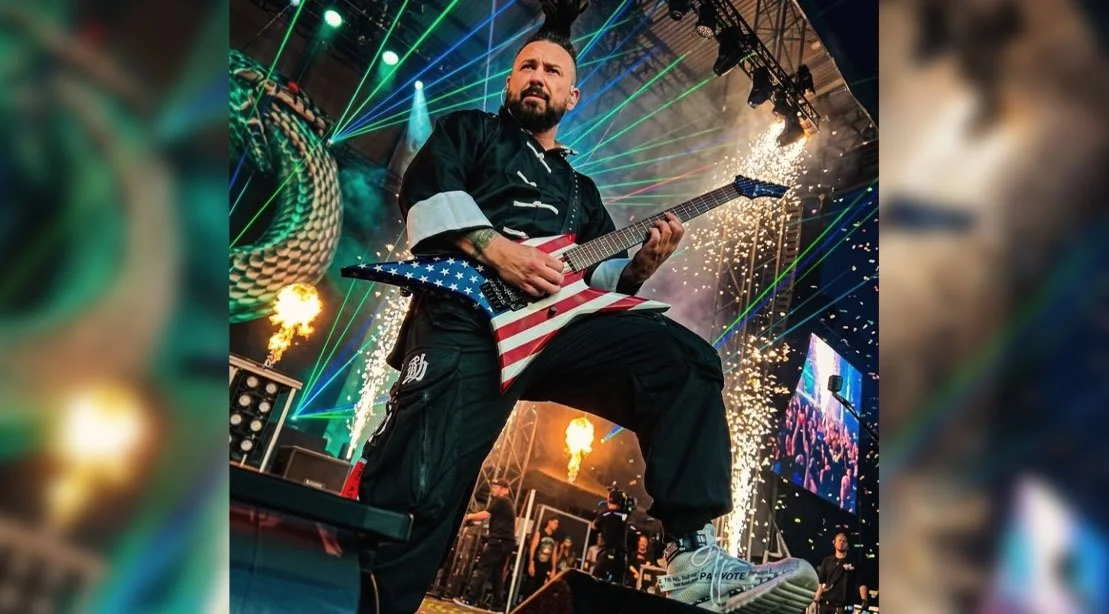
The band has spent two decades building that relationship. Its 10th studio album, Legacy, was recently released, and its 20th Anniversary World Tour began in July with a North American leg. Báthory, who founded the Las Vegas group and serves as its primary songwriter, describes its following as central to the band’s identity.
“It was always the people’s band,” he said. When Five Finger Death Punch first drew attention on MySpace, some music writers questioned whether it would last. Báthory credits the band’s persistence and focus on making music on its own terms, along with the listeners who stayed. “We just kept pushing and the people stayed with us.”
Music tied to communities
Báthory understands that the band’s sound won’t appeal to everyone. Still, he hears regularly from listeners who use its songs during workouts or associate them with getting through a hard time. He sees those accounts as meaningful because training is part of his own life: he works out at Flex Lewis’ Dragon Lair gym in Las Vegas and feels connected to that community as well as to hard rock and heavy metal fans.
“I’m proud of that because these are my people,” he said. The value he places on those connections is personal. His account describes music as something listeners can draw on during demanding moments, though it doesn’t establish a clinical effect or suggest that songs can replace other forms of support.
The band also has many listeners among veterans, firefighters and people in service roles. Five Finger Death Punch has raised funds for the Call of Duty Endowment and supported other fundraising efforts through its music. Báthory has served on boards for groups including the Home Deployment Project.
He recalled one listener telling him that, in a war zone, the band’s music helped make it possible to face each day. “That kind of gives us a justification that we’re doing something good,” Báthory said. For him, hearing how people use the music is a reason to keep creating it.
Judo as a lasting practice
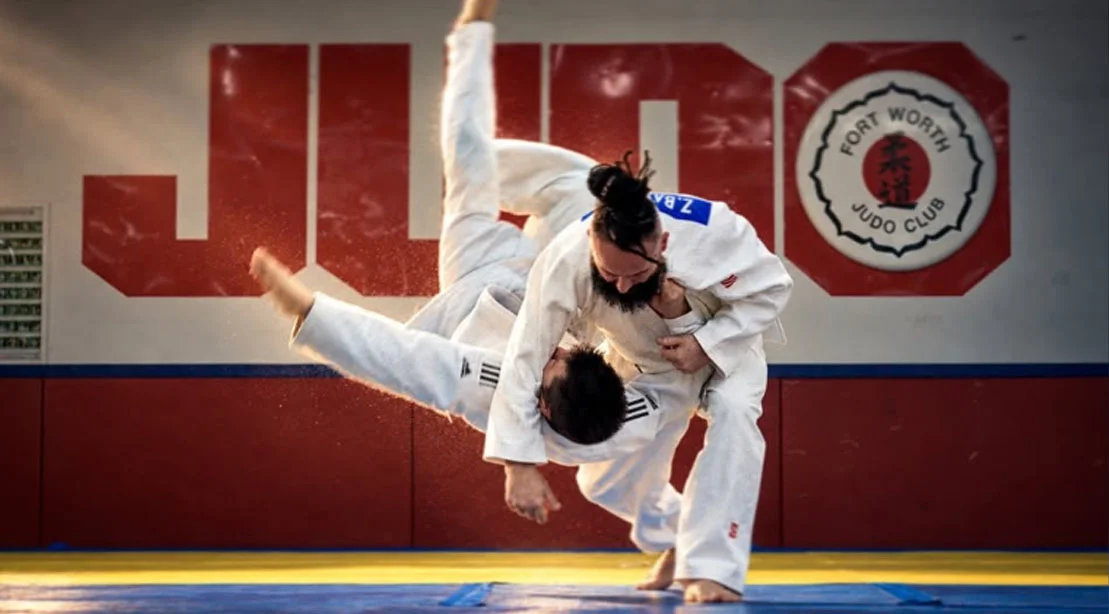
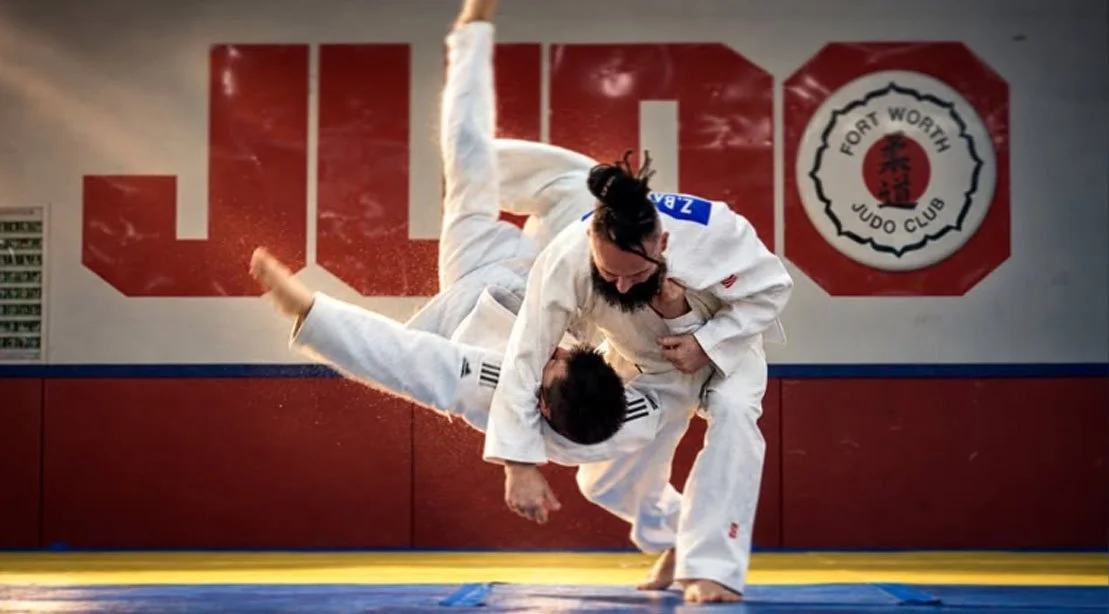
Judo has been another constant in Báthory’s life. He grew up in Hungary, where the sport was more popular than it is in North America, and began following it at age nine. He was competing in tournaments before he became a teenager. He says the discipline shaped how he thinks as well as how he moves.
“I can say and I can claim that that philosophy of judo was one of the key elements of me becoming successful,” he said. “It rewires your mind, and you start to think very differently.” That is his personal account of what judo has meant to him; the story doesn’t provide research evidence about effects on mental health or performance.
He still trains and competes, and has also taken up jiu-jitsu. Báthory reports holding black belts in both disciplines. His interest now extends to helping strengthen judo in the United States, where he says the sport has less visibility than in some other countries. Judo is an Olympic sport, and he wants to help US athletes preparing for the 2028 Summer Olympic Games in Los Angeles.
“I’ve worked with USA Judo and IJF (International Judo Federation). It’s one of my missions to make judo more visible in America, for more people to practice it.” His contribution includes financial support: he says a portion of the tour’s ticket proceeds is going to USA Judo to help cover athletes’ participation in training camps.
For people considering a martial art or other physical activity, his story points to the role that regular practice and a welcoming community can play in sustaining interest. It doesn’t mean one discipline will suit everyone. A person weighing a new activity around an injury, health condition or other concern can discuss their circumstances with a clinician.
What keeps the band going
Twenty years into its career, the band continues to draw an audience, with tickets for its shows selling quickly, according to the source. Báthory acknowledges that the group has faced growing pains and criticism. He says the enjoyment of making and performing music, together with the loyalty of its listeners, continues to drive the band.
He links that loyalty to the range of communities among the fans, including athletes, people who train in martial arts, veterans and first responders. In his view, many share a commitment to helping others. “What is the common denominator between these people? They all help other people.”
That connection between music, personal practice and service is the thread running through Báthory’s account. As the band enters its next chapter, his plans extend beyond the stage: he intends to keep making music and to support the people and pursuits that have shaped his life.
More about Five Finger Death Punch, its tour and Legacy is available through the band’s YouTube channel.
Follow Báthory on Instagram at @zoltanbathory and @zoltanbjj.
===END===

