Vibration Plates: What the Research Says About Strength, Recovery and Fat Loss
Vibration plates may support exercise, but evidence is limited and they aren’t a stand-alone route to strength gains or fat loss.
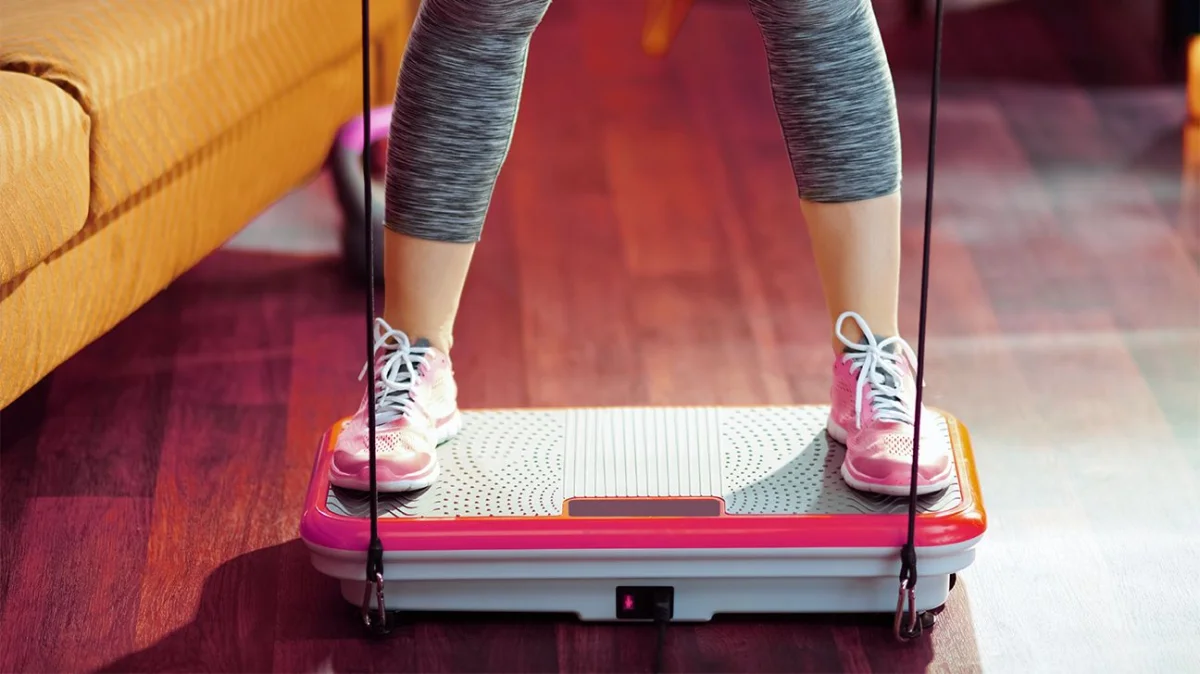
Vibration plates may add a muscle stimulus to exercise, but the evidence doesn’t support treating them as a shortcut to better health or fitness. Research points to possible benefits for circulation, strength and bone health, while the size and limits of the evidence make it hard to know how much difference a plate makes in everyday use.
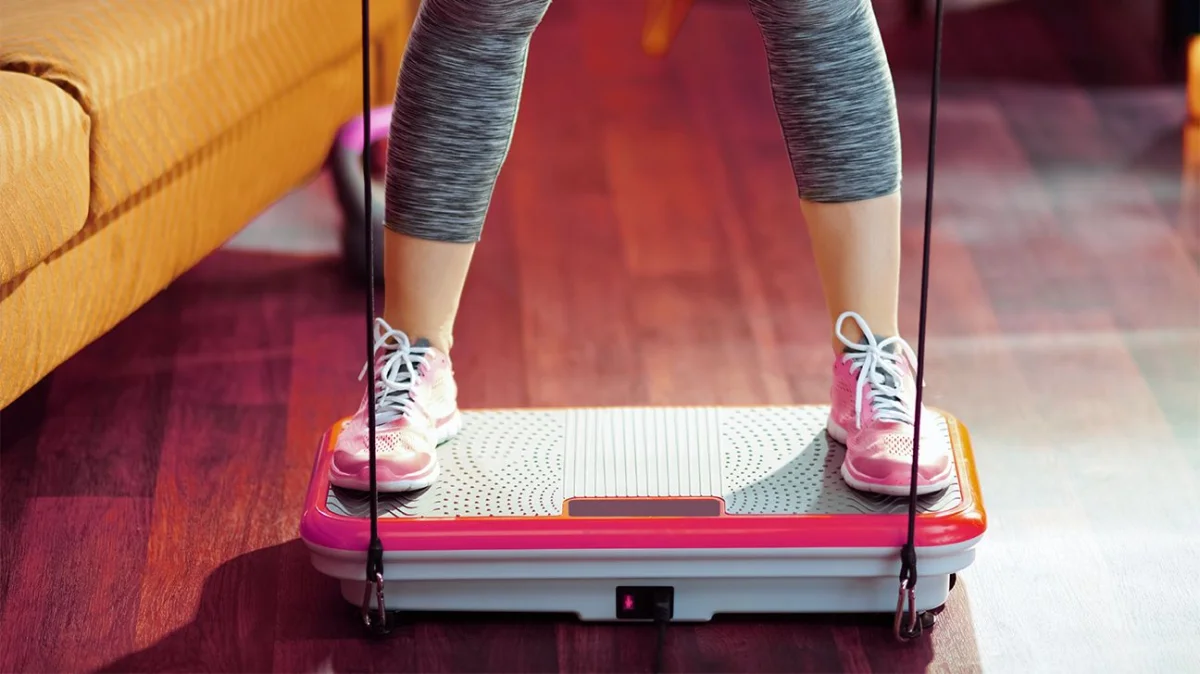
These machines create whole-body vibration (WBV): rapid movement through a platform that prompts muscles to contract and relax. People may stand on the platform or do movements such as squats, lunges, pushups and planks. Weightlifting coach Jarrod Nobbe says the repeated muscle activity could complement exercise, though the source research does not establish that a plate alone produces the same results as a full training program.
What the research suggests
Research on WBV and blood flow suggests that vibration can affect circulation. Nobbe describes the mechanism as repeated muscle contractions that help move blood through the body. Since movement also raises body temperature and gets muscles working, a vibration plate may serve as one way to prepare for activity. The available information doesn’t show that it is necessary for warming up or better than other ways of moving.
Strength is another possible benefit. A 2021 study reported that WBV could be an alternative exercise for older adults and could add to the effects of strengthening exercise. That finding is a reason to study the approach further, not proof that using a plate reliably builds strength for everyone. The source does not give the study’s size or enough detail to judge how large or lasting the effects were.
Nobbe suggests that repeated contractions may support strength and endurance when vibration is combined with specific exercises. In practical terms, the exercises still matter: a platform does not turn a brief session into a full strength routine by itself. People considering WBV can view it as a possible addition to familiar movements, with results likely to depend on the activity and the person.
Claims about energy and mood are less firmly grounded here. Nobbe describes reports of improved energy with regular use and connects them to circulation and muscle activity. He also points to the wider evidence that regular physical activity can support mood and energy. Those general benefits of being active don’t establish that vibration plates have a distinct effect on either one.
Recovery and bone health need careful interpretation
Vibration may help some people feel less sore or stiff after exercise, Nobbe says, possibly by increasing circulation to muscles. But the source does not provide study details that would show how much WBV affects soreness, how long any effect lasts or whether it speeds recovery from an injury. Feeling less stiff is not the same as an injury healing faster, so a plate should not be treated as a substitute for care when pain or injury is a concern.
WBV has also been linked with changes in bone mineral density in the research cited by the source. The proposed explanation is that mechanical vibration stimulates bone cells. This may be relevant to research on osteoporosis risk, but it does not show that a vibration plate prevents or treats osteoporosis, or that its effects match resistance training. Anyone managing bone health can ask a clinician or pharmacist whether this type of activity fits their circumstances.
Vibration plates and belly fat
A vibration plate is unlikely to significantly reduce belly fat on its own. Nobbe notes that the platform may contribute to energy use and muscle activity, but weight and fat loss generally involve a broader pattern that can include eating habits, cardio exercise and resistance training. The source provides no evidence that vibration can target fat in one area of the body. A plate may support movement, but it cannot replace the other parts of a sustainable fitness routine.
Using a plate as part of exercise
Nobbe suggests beginning with short sessions of 10–15 minutes and increasing duration and intensity gradually. He also advises keeping good form during exercises on the platform, combining use with a balanced exercise routine and healthy eating, and cleaning and checking the machine according to its manufacturer’s instructions. These are general suggestions from a coach; they are not a tested program for every user.
If someone has a health condition, is recovering from an injury or is unsure whether vibration is suitable for them, a conversation with a doctor or pharmacist can help put the activity in context. That is especially relevant when bone health or persistent pain is part of the picture.
The clearest takeaway is modest: WBV is an option for adding a different stimulus to movement, and early findings are interesting, but the evidence described here remains limited. The next useful question is whether larger, well-described human studies find meaningful benefits beyond those of regular exercise alone.