At 83, Triathlete Bob Plant Uses Recovery and Strength Work to Support Longevity
After missing Kona’s bike cutoff, Bob Plant reflects on recovery, strength training and keeping movement enjoyable as he ages.
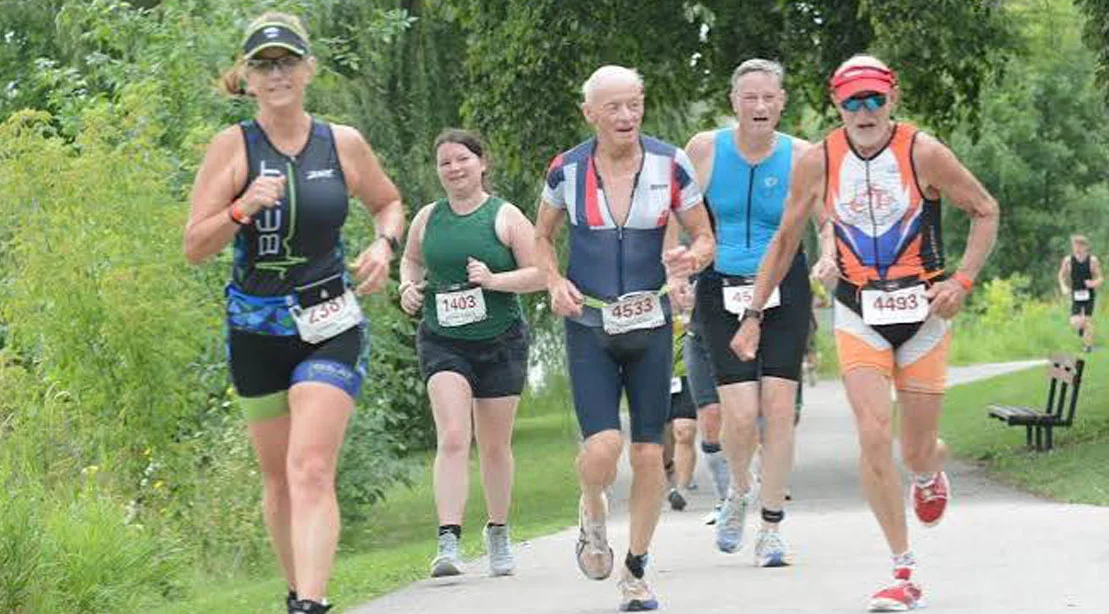
Bob Plant’s first missed Ironman cutoff came at 83, after more than four decades of endurance competition. At the 2026 Ironman World Championship in Kona, he reached the bike cutoff three minutes late and could not continue. The result ended his race, but it didn’t change his plans to keep training while it remains enjoyable.
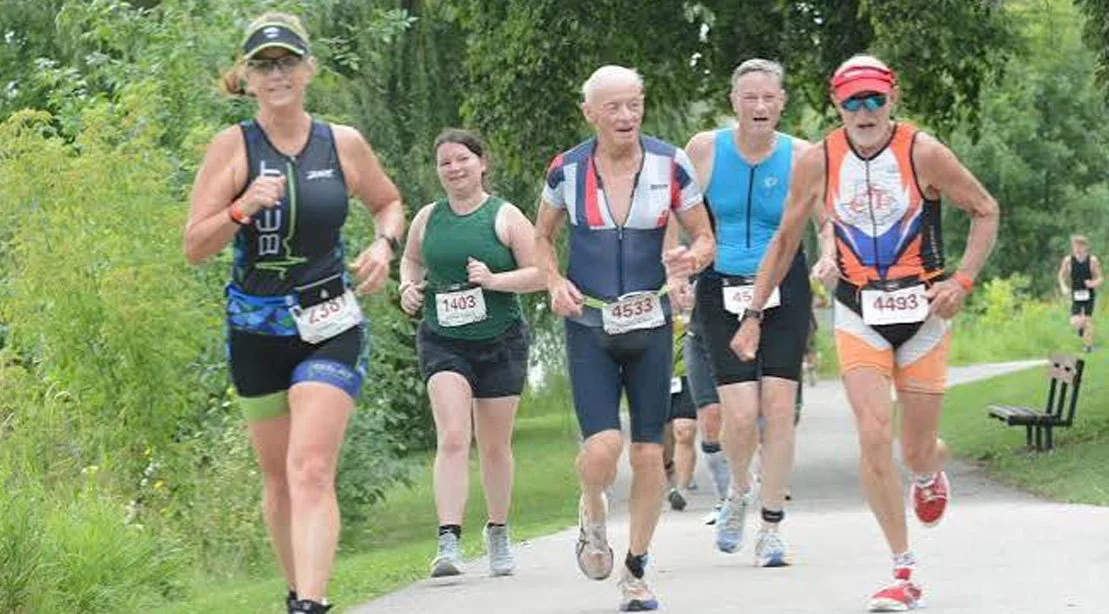
Plant was making his 10th start at the championship. He had finished many races in Hawaii and earned seven age-group podium finishes at Kona, along with 20 USA Triathlon national titles. During this race, severe cramps in his quadriceps and hamstrings slowed him on the bike. He believes he may not have had enough sodium; repeated chain problems also cost time. By the time he reached the second transition, the cutoff had passed.
Plant said he had prepared as he had for previous trips to Hawaii. He doesn’t treat the outcome as a reason to give up or dwell on what might have happened. “I just turn the page,” he told Muscle & Fitness. He sees the race as an experience to learn from, including the cramps, the mechanical trouble and the demands of Kona.
Training for the long term
Plant describes his current approach as minimalist. He typically does two workouts in each of the three triathlon disciplines: swimming, cycling and running. A complete day off each week is a fixed part of the routine, whether he feels he needs one or not. In his experience, skipping that rest day can catch up with him a couple of days later.
His priorities have shifted from proving how much training he can handle to staying active over time. Plant says recovery takes longer as he ages: an effort that might once have called for a day of rest may now require two or three. He has also stopped doing speed work because he considers the extra stress and injury risk a poor trade for the possible gains.
That doesn’t mean every session is easy. It means paying attention to how the body responds and allowing time for recovery. Plant regards rest as part of the training process: it gives the body a chance to repair and adapt after hard work. Kona, despite his many previous races there, reminded him that experience can’t prevent every difficult day or guarantee a finish.
Why he wants to rebuild strength
Plant’s endurance routine isn’t the only part of his fitness he thinks about. Before the pandemic, he often lifted weights up to three times a week, sometimes after running. When gym access and his routine changed, regular strength training fell away and never fully returned.
He estimates that he may have lost about seven pounds of muscle, attributing the change partly to age and partly to spending less time in the gym. He also notices less power in his legs than he had five years ago. Core exercises and stretching remain part of his home routine, but he says they haven’t replaced the resistance work he used to do. He intends to return to lifting during the winter.
For Plant, strength work is about maintaining the capacity to keep doing the activities he enjoys, rather than testing a maximum lift. His experience is a reminder that physical abilities can change when a regular activity drops out of a routine. How to approach strength training depends on a person’s health and circumstances; people considering a new or changed exercise routine can discuss what suits them with a health professional.
Work, movement and motivation
Plant still works full-time as a dentist, a job he has held for 55 years. Four days a week, he may arrive around 7 a.m. and stay past 5 p.m., then head home to train. He says his work limits the time available for exercise, while his fitness helps him manage long days that demand his attention.
After work, it can be tempting to put off a planned session. Plant knows that negotiation with himself, and also knows what he noticed after weight training faded from his schedule: “You stop doing something that you’ve been doing for a while, and you can tell the difference.”
His advice to others isn’t to copy his Ironman schedule. He encourages people to find an activity they enjoy, whether that’s walking, running a 5K or lifting weights. A manageable routine that someone wants to continue may be more relevant to their life than an extreme athletic goal. People with health concerns, pain or questions about returning to exercise can ask a doctor or pharmacist for guidance suited to their situation.
Plant sees benefits beyond physical performance. Training has helped him learn that he can tolerate discomfort and keep going through difficult situations. He says that confidence can carry into other parts of life. It’s a perspective formed over decades in sport, and one that doesn’t depend on finishing every race.
A workout inspired by Plant’s approach
The source article includes a 35- to 40-minute session aimed at lower-body strength, core stability and steady aerobic activity. It’s presented as a general workout outline, not a personalized plan; exercise selection, effort and rest may need to change for an individual’s health, experience and abilities.
Warmup: 5 minutes
Move at an easy pace. The suggested sequence is one minute of marching or easy cycling, 10 bodyweight squats, six reverse lunges per side, 10 hip hinges, 10 arm circles in each direction and 15 calf raises. Repeat the sequence once. The article’s guidance is to finish the warmup feeling ready to move, rather than tired.
Strength and stability: 15 minutes
The outline calls for three rounds: 10 goblet squats, eight step-ups per leg, 10 dumbbell Romanian deadlifts, 10 one-arm dumbbell rows per side, 15 standing calf raises and a plank held for 30 to 45 seconds. It suggests resting for 60 seconds between rounds.
Plant connects his planned return to resistance training with the muscle and leg power he feels he has lost. He has said strong legs matter to everyday life as well as sport. The workout’s exercises are examples from the source, and the right movements or level of effort can differ from person to person.
Steady endurance: 10–15 minutes
The session suggests a bike, rower, treadmill, elliptical or brisk outdoor walk: two minutes at an easy pace, followed by six to 10 minutes at a steady effort that still allows conversation, then two easy minutes to finish.
Core and mobility: 5 minutes
Finish with two rounds of eight dead bugs per side, eight bird dogs per side, a 30-second hip-flexor stretch per side and a 30-second hamstring stretch per side.
Plant would have preferred to finish in Kona, but he accepts that the clock ended his day. His next steps reflect the same outlook he brings to training: take the lesson, make room for recovery and keep moving for as long as it remains fun.