Five Nutrition Trends From FNCE: GLP-1 Support, Healthy Aging and More
Dietitians at FNCE highlighted personalized nutrition, nutrient focused snacks and healthy aging, while cautioning against relying on trends or supplements alone.
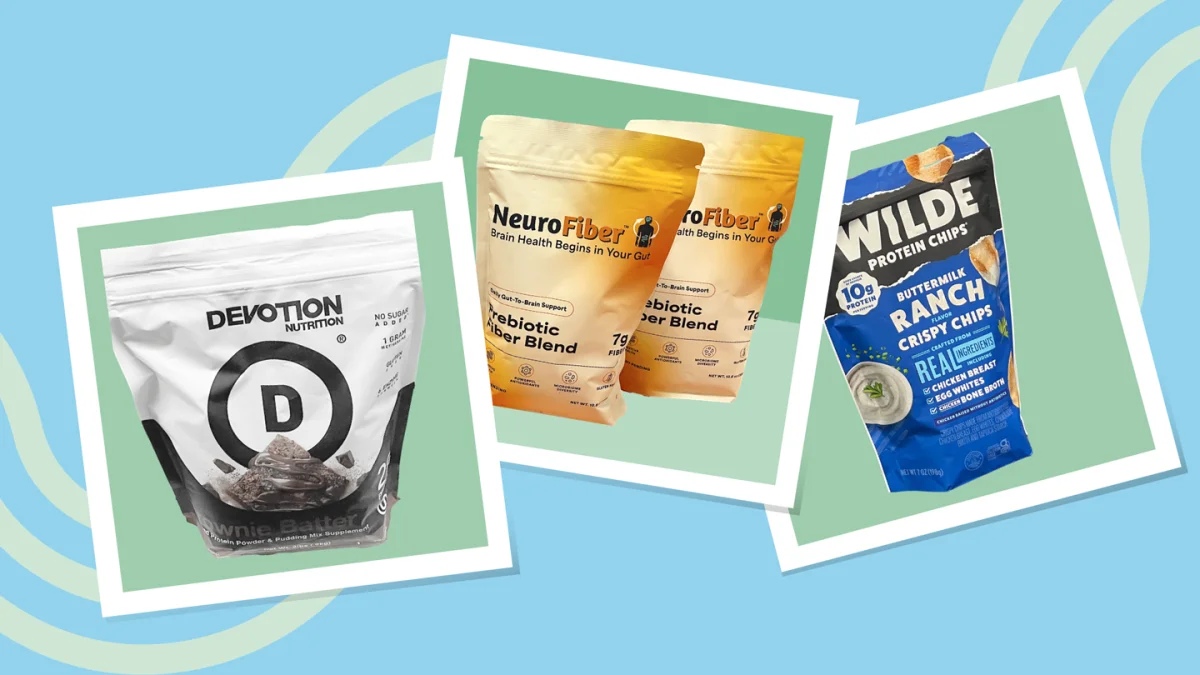
The nutrition trends on display at this year’s Food & Nutrition Conference & Expo (FNCE) point toward a practical shift: products and advice are increasingly being shaped around specific needs, from eating less while taking GLP-1 medications to supporting health over time. Dietitians also urged caution about treating any single nutrient or product as a shortcut to better health.
Thousands of registered dietitians attended the annual event hosted by the Academy of Nutrition and Dietetics to hear research, discuss clinical practice and explore products. Five themes stood out across education sessions, the expo floor and conversations with dietitians. These are observations about what was featured at the conference, not evidence that every product works as intended or suits every person.
1. More products are aimed at GLP-1 nutrition needs
Protein, fiber and electrolytes were prominent in products showcased at FNCE. Many weren’t labeled specifically for people taking GLP-1 medications, but dietitians said the nutrients may be relevant for people whose appetite has decreased or who are eating smaller amounts.
Karen E. Todd, RD, a certified strength and nutrition specialist, said adequate protein can help support muscle retention, while fiber may help people meet nutritional needs when food intake is lower. She also noted that electrolytes may help replace fluids lost through vomiting or diarrhea, symptoms that can occur with these medications. People experiencing severe symptoms should contact their doctor.
Jen Bruning, RDN, LDN, a spokesperson for the Academy of Nutrition and Dietetics, said people who feel less hungry while taking a GLP-1 need to pay attention to getting enough of a range of nutrients. Products on display included protein powders, bars, drinks and snack foods, alongside fiber products and electrolyte mixes or ready-to-drink beverages. Many were available to general consumers, too.
The product growth reflects a concern dietitians described at the conference: when someone eats less, it may become harder to get enough nutrients from meals. Still, a label promising protein or fiber doesn’t establish that a product is necessary or appropriate for a particular person. Monique Richard, RDN, LDN, said whole foods should remain the foundation of eating patterns. She described targeted products as possible additions when they meet an individual need, rather than lasting substitutes for varied meals.
2. Supplements are appearing in chewable and drinkable forms
Some brands are responding to “pill fatigue” with alternatives such as shakes, gummies, mochi balls and other chews. These formats may appeal to people who dislike swallowing pills, though the products can differ in ingredients and sugar content. A convenient form alone doesn’t show that a supplement is needed or beneficial.
Todd suggested first considering the reason for taking a supplement and whether its stated purpose matches that need. For people assessing product quality, she recommended looking for third-party certification that checks manufacturing, label contents and contaminants. Certification can provide information about quality controls; it doesn’t establish that a supplement is right for everyone. People considering supplements can discuss their needs and any existing medications with a doctor or pharmacist.
3. Healthy aging is being discussed across age groups
Longevity and healthy aging featured in conference sessions, with dietitians describing them as concerns that can matter well before older adulthood. Bruning said younger people are increasingly considering long-term health. Todd framed longevity as a collection of lifestyle habits rather than a single product or “magic bullet.”
Presenters connected eating patterns with physical activity, stress reduction and social connection as parts of supporting health over time. The goal discussed was healthspan: the years a person lives in good health. Sessions also covered nutrients related to cognitive health, including omega-3 fatty acids and antioxidants, and monitoring vitamin B12, vitamin D and iron levels. These points don’t mean that supplements prevent cognitive decline or that everyone needs testing. Individual needs vary, so questions about symptoms, diet or nutrient levels are best discussed with a health professional.
Physical activity was another focus. “Exercise snacks”—short bouts of movement between periods of sitting—were recommended as a way to break up inactivity. The term describes brief movement, not a specific exercise plan. What is suitable depends on a person’s health and abilities.
4. Snacks are being designed to offer more than convenience
Many products promoted as “functional snacks” featured protein, fiber or probiotics in ready-to-eat formats. Sylvia Klinger, RD, described functional snacking as choosing foods for targeted nutritional benefits as well as taste. Examples on the expo floor included dehydrated chicken crackers and other nutrient focused snacks.
For someone eating smaller portions, a snack with useful nutrients may help fill a gap. But the conference display doesn’t show that a particular snack improves health, and snacks don’t automatically replace the variety of foods found in meals. Ingredient lists, serving size and a person’s overall eating pattern matter when judging how a product fits.
5. Dietitians are pushing back on “maxxing”
One shared concern among attendees was the online habit of trying to maximize one nutrient, such as fiber. Bruning cautioned that focusing heavily on one target can mean paying less attention to other parts of the diet. Richard’s alternative was to aim for appropriate nutrient levels based on an individual’s needs, with a registered dietitian able to help tailor a plan.
That emphasis on personalization tied the five trends together. Products may offer convenient ways to add particular nutrients, and small activity breaks may be easier to fit into a day than a long workout. Yet neither trend replaces the broader picture: needs differ, and a single food, supplement or nutrient target can’t stand in for an overall pattern. For people taking GLP-1 medications, considering supplements or trying to address symptoms, a doctor, pharmacist or registered dietitian can help put product claims and personal needs in context.


