Metabolic Syndrome: Risk Factors, Diagnosis and Treatment Options
Metabolic syndrome combines several health risks. Routine checks can identify them, and lifestyle changes and targeted care may improve them.
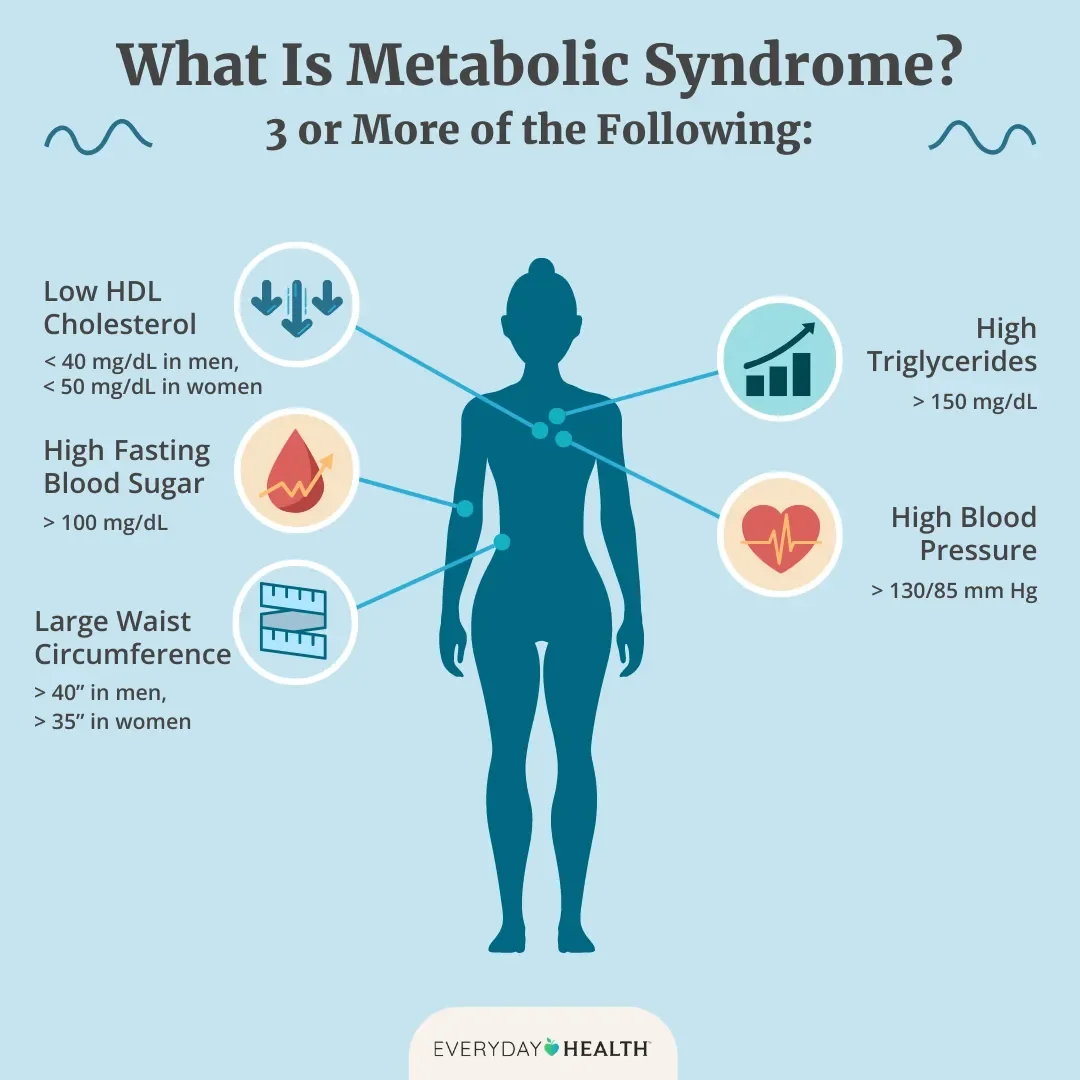
Metabolic syndrome is a cluster of health measures that together point to a higher chance of developing type 2 diabetes and cardiovascular disease, including heart attack and stroke. It isn’t a single illness with one cause or one treatment. Instead, it brings attention to five related factors: abdominal obesity, high blood pressure, elevated blood sugar, high triglycerides, and low HDL cholesterol. About one in three U.S. adults has the syndrome, and many don’t know it.
That matters because these factors can build gradually and often cause no obvious symptoms. A person may feel well while blood pressure, blood sugar, or cholesterol levels are moving into unhealthy ranges. Metabolic syndrome is generally diagnosed when three or more of its five components meet defined thresholds. Finding and addressing those components can help reduce the risk of diabetes and heart and blood vessel disease.
What the five risk factors mean
The criteria commonly used to identify metabolic syndrome include a waist circumference greater than 35 inches for women or 40 inches for men; fasting blood sugar above 100 milligrams per deciliter; blood pressure above 130/85 millimeters of mercury, or use of blood pressure medication; triglycerides above 150 milligrams per deciliter; and HDL cholesterol below 50 milligrams per deciliter for women or 40 for men. A person generally meets the definition when at least three criteria apply.
Different medical organizations use slightly different cutoffs, but their definitions are broadly similar. A clinician can interpret measurements in context, including a person’s body size, medical history, and medications. A routine visit may include blood pressure measurement and blood tests for glucose and blood fats. Waist measurement can add useful information, too.
Abdominal fat is one visible clue, but it isn’t the whole picture. Fat stored around internal organs is associated with greater metabolic risk than fat stored in other areas. Waist thresholds can be a helpful screening reference, though body proportions and height may affect how a measurement is interpreted. Metabolic syndrome can also occur in people whose weight is within a typical range.
Why the syndrome can go unnoticed
High blood pressure and unhealthy cholesterol levels often have no noticeable symptoms. Elevated blood sugar may also go undetected until testing identifies it. As a result, someone can have several risk factors and still feel healthy. Routine screening is often how the pattern first comes to light.
In more advanced cases, diabetes may cause increased thirst, frequent urination, vision changes, fatigue, or recurring yeast infections. High cholesterol linked to an inherited problem with cholesterol clearance can sometimes cause fatty bumps on the skin or pale rings around the cornea. These signs have other possible explanations, so they need medical assessment rather than self-diagnosis.
Headache, heart palpitations, or nosebleeds can occur with a severe blood pressure crisis. These symptoms call for immediate medical attention. Most high blood pressure, however, doesn’t announce itself with symptoms; measuring it is the way to detect it.
What contributes to metabolic syndrome
Some influences can be changed, while others can’t. Excess abdominal weight, limited physical activity, a diet high in ultra-processed foods, tobacco use, and impaired sleep or sleep apnea are associated with metabolic syndrome. Alcohol use can also be part of the picture, particularly when consumption is heavy.
Family history of type 2 diabetes or metabolic syndrome and older age can raise risk. Polycystic ovary syndrome is another associated condition. Risk also differs across racial and ethnic groups and by socioeconomic circumstances. For example, South Asian heritage is associated with a tendency toward abdominal obesity at lower overall body weights. These patterns describe population-level risk; they don’t determine an individual’s health or future.
Several of the risk factors share underlying influences, including insulin resistance, diet, activity, and body fat distribution. They can reinforce one another over time. That overlap helps explain why care often focuses on improving several measurements together, while still treating each one according to a person’s needs.
Care targets each component
There is no single medication approved to treat metabolic syndrome as one condition. Clinicians instead address the factors that apply to each patient, using lifestyle support and, when appropriate, medicines. The plan depends on test results, other health conditions, personal circumstances, and the benefits and risks of available options.
For blood sugar in the prediabetes range, nutrition and physical activity changes are often emphasized. Weight-management medicines, including drugs in the GLP-1 class, can also lower blood glucose in some people. For type 2 diabetes, treatment choices include metformin, GLP-1 medicines, SGLT-2 inhibitors, sulfonylureas, and insulin, among others. These options work in different ways, such as changing glucose production, appetite, glucose absorption, or insulin levels.
High blood pressure can be treated with several types of medication, including diuretics, beta-blockers, ACE inhibitors, calcium channel blockers, alpha-blockers, and central agonists. High triglycerides may be treated with fibrates, niacin, medicines that reduce triglyceride production in the liver, or omega-3 fatty acids. Some cholesterol medicines also lower triglycerides. A clinician can help determine whether a particular option is suitable.
No medicine is specifically approved just to raise HDL cholesterol. Some medicines used to lower triglycerides or LDL cholesterol may also raise HDL. The choice of care depends on the full lipid profile and a person’s cardiovascular risk, rather than on one number in isolation.
For people who need medical support with weight management, GLP-1 and GIP/GLP-1 medicines can reduce appetite and slow digestion. They may also improve blood sugar regulation and insulin sensitivity. These medicines can reduce abdominal fat, but whether they are appropriate depends on individual medical factors. They shouldn’t be treated as a universal therapy for the syndrome.
Researchers have proposed studying GLP-1 medicines as a way to address multiple features of metabolic syndrome together. The source material describes effects on weight, blood sugar, blood pressure, and cholesterol, but that does not establish that one medicine is approved or proven as a treatment for the entire syndrome. Discussing the evidence and potential tradeoffs with a clinician is sensible for anyone considering medication.
Everyday habits that can help
No single eating pattern is recommended for everyone with metabolic syndrome. Mediterranean, DASH, plant-based, lower-carbohydrate, and intermittent-fasting approaches have each been associated with improvements in some measures, including weight, blood pressure, cholesterol, or blood sugar. The best fit depends on a person’s health needs, preferences, and ability to maintain the pattern.
Common ground among many approaches includes eating more vegetables, fruit, legumes, nuts, and seeds, and reducing ultra-processed foods. These foods can provide fiber, protein, and other nutrients. Packaged and highly processed products may contain substantial sodium, added sugar, and saturated fat, which can make some risk factors harder to manage. Sugar-sweetened drinks are also associated with metabolic syndrome; replacing them with unsweetened options may be one practical change to discuss.
Specific needs can call for more targeted changes. For example, a clinician may discuss reducing sodium when blood pressure is high or choosing sources of unsaturated fat to support a healthier lipid profile. People taking medicines or managing other conditions may benefit from advice tailored to their situation.
Regular movement can support metabolic health. The cited exercise targets are at least 150 minutes a week of moderate aerobic activity, or 75 minutes of vigorous activity, spread across the week, plus two sessions of moderate strength training. Breaking up long periods of sitting with light activity, such as walking, can also help. People who are inactive or have health limitations can ask a clinician how to approach activity safely.
Tobacco use is associated with insulin resistance and higher blood pressure, as well as heart, lung, and cancer risks. Support to stop smoking can be part of a broader plan to improve health. The relationship between moderate alcohol use and metabolic syndrome is less clear, while heavy drinking is associated with higher rates of the syndrome. Metabolic syndrome can also make alcohol-related liver problems more severe, and the combination may increase kidney risk.
Sleep and stress deserve attention as well. Sleep helps regulate hormones involved in appetite and blood sugar. Fewer than six hours or more than eight hours of sleep has been associated with metabolic concerns, though sleep needs vary. Repeated or ongoing stress may affect hormones and inflammation, and stress management may support metabolic health. If sleep is persistently poor or sleep apnea is suspected, a clinician can help assess possible causes and options.
Long-term outlook and complications
Metabolic syndrome can persist for years, and blood sugar and blood pressure often become harder to manage with age. Still, the individual factors can improve, and some people may no longer meet the criteria after sustained lifestyle changes and medical care. A 2025 clinical trial reported a significant rate of remission after a six-month lifestyle and education program. The source does not provide the trial’s size or remission percentage, so the result can’t establish how often the program would work in other groups.
Improved measurements don’t necessarily remove the underlying tendency toward insulin resistance. Maintaining progress may require ongoing attention to habits and follow-up care. A clinician can help track changes and adjust treatment when needed.
The main long-term concerns are type 2 diabetes and cardiovascular disease. Metabolic syndrome is also associated with conditions such as sleep apnea, osteoarthritis, and pulmonary hypertension. If diabetes develops, complications can include kidney disease, diabetic eye disease, nerve damage, and recurring infections. These problems usually develop over time, which makes monitoring and early care useful.
For some people living with obesity and metabolic syndrome, weight-loss surgery may be considered with a specialist. In a study of 80 patients who had Roux-en-Y gastric bypass or sleeve gastrectomy, the proportion with metabolic syndrome fell from 66.2 percent before surgery to 3.7 percent one year later. That result comes from a small study and doesn’t predict an individual outcome; surgery also requires medical evaluation and long-term follow-up.
The practical takeaway is that metabolic syndrome is a reason to review several health measures together, even when you feel well. If you have concerns about waist size, blood pressure, blood sugar, or cholesterol—or a family history that raises your risk—a checkup can clarify which factors apply and what forms of support may fit.