Fruit and Vegetable Peels May Add Fiber, but Safety and Benefits Need More Study
A small analysis found more fiber in many discarded produce parts. Learn what may be edible, how to prepare it, and what the study leaves unanswered.
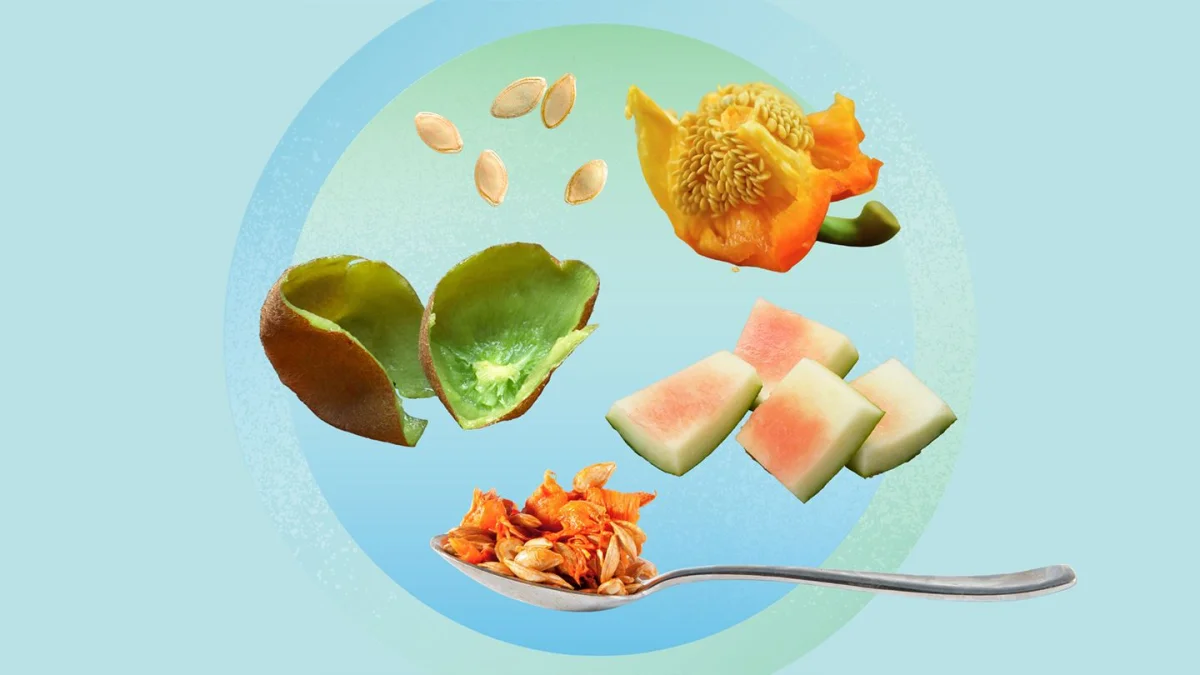
Peels, seeds and stalks often end up in the bin, but a study of 12 fruits and vegetables found that many discarded parts contained more fiber than the portions people usually eat. The findings point to a possible way to use more of each fruit or vegetable, though they don’t show that eating these parts improves health or raises daily fiber intake.
What researchers compared
Researchers at King’s College London measured fiber in raw samples of commonly eaten produce and in parts typically discarded, including skins, seeds, peels and stalks. In 10 of the 12 types they examined, the discarded portions had more fiber than the edible portions people typically consume.
Some of the reported amounts were notable: watermelon rind contained 2.1 grams of fiber per 100 grams, about as much as a slice of whole-wheat bread. Butternut squash skin and seeds together contained 9.25 grams per 100 grams. Pineapple skin and core had about 5.5 times the fiber of the fruit’s flesh. Broccoli stalks were an exception, with about 28 percent less fiber than the florets.
Earlier research has also identified fiber, antioxidants and other plant compounds in produce parts that are often discarded. This study adds a direct comparison between those parts and the portions people commonly eat. Its focus was potential health value, said study author Rachel Gibson, a reader in nutrition and dietetics at King’s College London. She noted that cooks have long used some of these parts.
What the results can—and can’t—tell us
The study covered only 12 types of produce and measured fiber in raw samples. Cooking and other preparation may change the results, and the researchers didn’t track whether eating the parts increased participants’ daily fiber intake or affected their health over time. The findings therefore suggest where fiber may be found; they don’t establish a health benefit from eating a particular peel or rind.
That distinction matters when deciding whether to change how you prepare produce. Dietitian Laurel Santiago, who wasn’t involved in the research, described discarded parts as a potential source of nutrition already present in the kitchen. But what’s practical will depend on the produce, how it’s prepared and whether its texture and taste suit the dish.
Ways to use familiar edible parts
For watermelon, the white pith between the pink flesh and the hard green exterior can go into a stir-fry or be fermented into pickles, said dietitian Jennie Miremadi. The tough outer rind is a different matter: the article’s experts suggest using the pith rather than eating the prickly green exterior.
Pineapple core can be blended into a smoothie or used in a curry base with coconut milk. The skin can be simmered with ginger and honey to make tea, but Miremadi advises against eating it directly because it’s tough and prickly.
Butternut squash can be roasted with its skin on; cooking softens it, Gibson said. The seeds can also be roasted with olive oil and salt. Pepper seeds and the white inner membranes can be added to cooked dishes such as soups and sauces, though Santiago suggests using the seeds sparingly if their bitterness isn’t appealing.
Broccoli stalks have less fiber than florets, but they’re still edible. Slice them into stir-fries, grate them into salads or blend them into soup. Gibson also suggests roasting cauliflower leaves or adding them to curries. These are options for using familiar parts; the study doesn’t establish that every peel or seed is safe to eat.
Fiber, digestion and safe handling
Fiber supports regular bowel movements and also feeds gut bacteria, helps steady blood sugar, supports healthy cholesterol and can help regulate appetite, Santiago said. Higher fiber intake is associated with lower risk of heart disease and type 2 diabetes, but that association doesn’t mean a specific food scrap prevents either condition.
Many U.S. adults don’t get enough fiber. For adults ages 19 to 50, general daily needs are about 25 grams for women and 38 grams for men. Miremadi recommends increasing fiber gradually and drinking enough fluids, since a rapid increase can bring bloating, gas or other digestive discomfort. People whose digestive conditions require dietary restrictions can discuss substantial dietary changes with their healthcare team.
Safety questions remain for less familiar peels and rinds. In focus groups connected with the study, concerns about food safety discouraged people from eating discarded produce parts, while possible health benefits made them more interested. Gibson said the next research phase will examine safety more broadly and work toward clearer guidance for consumers and food service professionals.
For now, the practical approach is to use parts already known to be edible and handle produce carefully. Wash fruits and vegetables under running water before cutting or peeling, even when you don’t plan to eat the skin; a brush can help clean firm produce such as squash or watermelon. And peels aren’t the only way to add fiber: beans in soup, chia seeds at breakfast or whole fruit instead of juice are other small changes to consider.