Supplements for Sickle Cell Disease: What the Evidence Shows
Studies suggest possible benefits from some supplements for sickle cell disease, but results vary. Learn what researchers found and what to discuss with your care team.
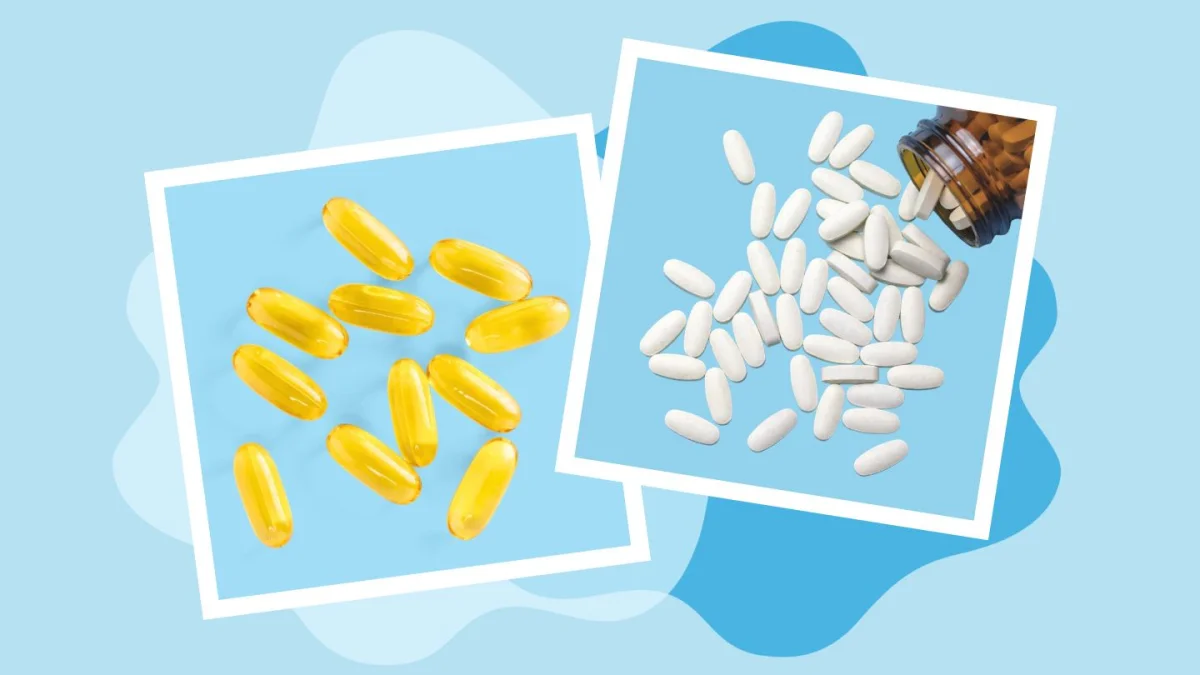
Some supplements may help address nutritional gaps or reduce complications in sickle cell disease (SCD), but the evidence varies by product and outcome. A few small studies report fewer pain episodes or infections; others show limited benefit or leave key questions unanswered. Supplements are not substitutes for prescribed SCD treatment, including hydroxyurea, and their use is best discussed with a clinician who knows a person’s health and medications.
SCD can increase the body’s energy and protein needs. People with the condition may also have low levels of nutrients such as vitamin D, zinc, and folate. Ellen Fung, PhD, RD, a professor of pediatrics at the University of California, San Francisco, who researches supplement use in SCD, says nutritional gaps may worsen problems such as infections, poor growth, pain, and red blood cell breakdown. That makes nutrition worth considering alongside medical care, while keeping in mind that evidence for individual supplements is uneven.
Supplements with research on pain and infections
L-glutamine is an amino acid that is thought to act as an antioxidant. It is available as Endari, a prescription, pharmaceutical-grade powder authorized for use in SCD. In a large trial, participants taking it had about three pain crises a year, compared with about four among those who didn’t take it. Fung describes its effect for some people as modest. The powder is mixed into a drink, and the prescribed amount depends on weight. It may cause nausea, can be cumbersome to take, and may be costly or difficult to obtain through insurance. Store-bought glutamine isn’t a reliable substitute: its dose and quality controls may differ from the prescription product.
Zinc supports immune function, growth, and wound healing. Studies in children with SCD have linked supplementation with improved growth and fewer pain crises. In one trial, children who received 10 milligrams (mg) daily for a year grew more than children who did not. A separate study of 100 young children in Uganda found that 20 mg daily was associated with about 38 percent fewer infections over six months. These results are encouraging, but they don’t establish that zinc will have the same effect for every person. Excess zinc can cause nausea and vomiting, lower copper levels over time, and interfere with absorption of some antibiotics, including ciprofloxacin.
Omega-3 fatty acids, found in fish and fish oil, may reduce inflammation and make red blood cells less likely to stick together. That could help limit blockages in blood vessels that trigger pain, though the studies described by Fung have not found a benefit for anemia. In one trial, children who added three 1,000 mg fish oil capsules a day to their usual care for 10 months averaged one pain crisis, compared with three among those receiving usual care alone. The amount used in a study isn’t a personal dosing recommendation. Common side effects include bad breath, heartburn, and nausea; high amounts may raise bleeding concerns for people taking warfarin or other blood thinners.
When correcting a low level may matter
Vitamin D is needed for calcium absorption, and also supports muscle, nerve, and immune function. Fung estimates that up to 80 percent of people with SCD have low levels. Darker skin can produce less vitamin D, and chronic inflammation may also contribute. Lower levels have been linked with more pain and more severe disease, while small supplement studies have reported fewer days with pain and better quality of life. One study found improved bone density, but that finding hasn’t been replicated. The potential benefits remain under study. The appropriate amount depends on a person’s blood level, and very high levels can cause nausea, vomiting, muscle weakness, and kidney stones. A clinician can help decide whether testing or supplementation is appropriate.
Folic acid, a form of folate, helps the body make red blood cells and has long been commonly prescribed for SCD. A major trial in young children in the early 1980s found that it raised folate levels but did not improve anemia. Since many breads, pastas, and cereals are now fortified with folic acid, researchers are reconsidering whether everyone needs a supplement. In a 2025 study of 31 children, pausing supplementation for 12 weeks did not change hemoglobin or pain episodes, although folate fell too low in a few children. The study did not settle whether supplementation improves health outcomes. High doses can hide a vitamin B12 deficiency, which can cause lasting nerve damage if untreated, and folic acid can interact with methotrexate and some anti-seizure medicines.
What remains uncertain
Magnesium was studied because low levels may dehydrate red blood cells and make them more likely to sickle. Trials of intravenous magnesium for pain crises found no benefit. Small studies of magnesium taken by mouth have also not shown clear benefit, though the evidence is limited. Whether oral magnesium could help remains an open question.
Products such as beet juice and creatine are also marketed to people with SCD, but the source article reports no evidence that they help. Supplements are not assessed for safety and effectiveness in the same way as prescription medicines, and products can vary in quality. Before adding one, it makes sense to discuss the evidence, possible interactions, and personal risks with a doctor or pharmacist. If a clinician agrees a supplement is appropriate, independent product testing, such as certification by BSCG or evaluation by ConsumerLab.com, may help assess quality. The practical takeaway is to treat supplements as a specific question for the care team, not as a replacement for established SCD care.