Six Ways to Make Your Nighttime Teeth-Cleaning Routine More Effective
Flossing first, keeping fluoride on your teeth and cleaning oral appliances can help strengthen a nighttime routine, though mouthwash needs vary.
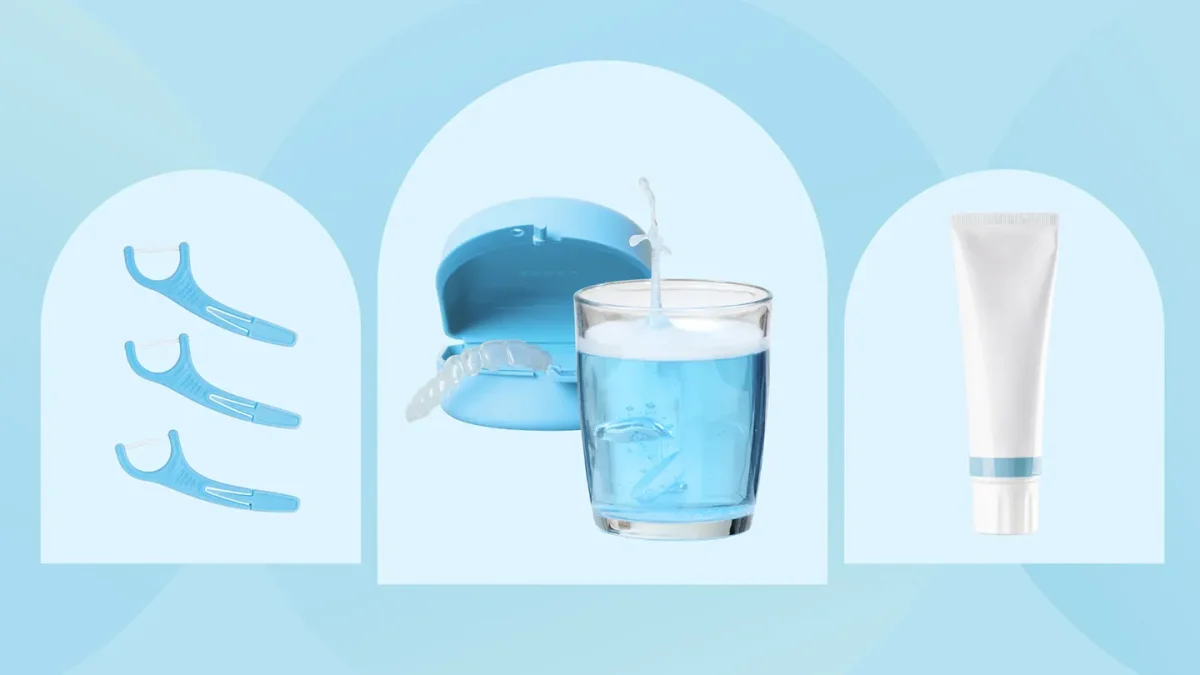
Why nighttime care matters
A few changes to an evening dental routine may help keep plaque and food debris from sitting on teeth for hours. Saliva helps clear the mouth, but people generally produce less of it while sleeping. That can leave the mouth more acidic and make it easier for tooth decay to develop, says Neusha Najafi, DDS, a dentist and founder of the DoctorSaliva educational platform.
Nighttime brushing also sits within a broader connection between oral and general health. Kami Hoss, DDS, an orthodontist in San Diego, points to research linking oral health with health in other parts of the body. One study found that people who did not brush at night had a higher risk of cardiovascular disease than those who did. That finding describes an association; it does not show that skipping brushing directly causes heart disease. Still, it reinforces the value of making routine oral care part of the day’s last few steps.
Choose toothpaste and mouthwash for their ingredients
Fluoride is a well-established ingredient for cavity prevention. Another ingredient to know is nano-hydroxyapatite, a mineral similar to one found in tooth enamel. Hoss says it may help protect enamel by limiting the formation of plaque. A review in the Journal of Dentistry reported that five studies found fluoride and nano-hydroxyapatite could help restore minerals in weakened enamel affected by plaque. The review’s findings are promising, but they don’t establish that every product containing these ingredients works equally well.
Nano-hydroxyapatite products may be less familiar or less prominently labeled than fluoride products. People considering them can ask a dentist for guidance. Najafi also cautions against assuming that a mouthwash needs to kill bacteria to be useful. Some bacteria contribute to decay and gum problems, while others may help keep harmful microbes from settling in the mouth. Antiseptic or alcohol-based rinses can affect a broad range of bacteria, so a product’s purpose and ingredients matter.
Floss before brushing
Flossing first can clear larger debris and plaque from between teeth before brushing, giving toothpaste better access to those surfaces. Meghna Dassani, DMD, a dentist in Houston, recommends this order so ingredients such as fluoride can reach the enamel more readily.
If string floss is difficult to handle, a water flosser is one possible alternative. It directs a stream of water between teeth to help remove debris, and may be easier for some people with braces or limited hand dexterity. Najafi suggests that using one in the shower can make the task easier to fit into a routine. The right tool can depend on a person’s teeth, dental work and ability to use it; a dentist can help with that choice.
Spit after brushing instead of rinsing
After brushing, spitting out the toothpaste without rinsing with water can leave more fluoride in the mouth. Research in adults has found higher fluoride retention when people spit rather than rinse. That gives the ingredient more time on tooth surfaces, where it helps prevent cavities.
The small amount of fluoride left by ordinary toothpaste use is generally considered low risk, according to the source article. If rinsing is a long-standing habit, a reminder on the bathroom mirror or support from someone at home may help make the new sequence easier to remember.
Use mouthwash for a specific reason
Mouthwash can bring fluoride into contact with tooth surfaces, but it does not replace brushing and cleaning between teeth. It also isn’t necessary for everyone. The type that makes sense depends on a person’s needs, rather than on a one-size-fits-all routine.
For example, some lubricating rinses may help relieve dry mouth. A research review cited in the source found that studies suggest rinses containing licorice or pilocarpine may ease dry-mouth symptoms more than a placebo. Pilocarpine is generally available by prescription for people with certain conditions, including Sjögren’s syndrome. People at higher risk of cavities may be offered a stronger fluoride rinse by a clinician. A dentist or pharmacist can help explain which products are appropriate for a particular situation.
Clean retainers, dentures and other appliances
Dental appliances can carry visible debris and buildup, so brushing and flossing alone may not clean everything that goes back into the mouth. Dassani advises cleaning mouth guards, dentures, retainers and sleep apnea appliances before wearing them. A dentist can clean an appliance, while at-home care may include a denture cleaner or a very diluted dish soap solution with running water. Follow the appliance’s care instructions, since materials can differ.
At minimum, Dassani recommends rinsing appliances each morning and brushing away visible residue. Toothbrushes also need to dry between uses: Najafi advises leaving the bristles uncovered rather than trapping them in a damp cover, where bacteria can grow.
Give acidic foods and drinks time
Brushing immediately after acidic foods or drinks can expose softened enamel to friction. Citrus, tomatoes, lemon water and carbonated drinks are examples. Waiting at least 30 minutes before brushing gives the mouth time to recover from the acid, says Hoss. If you want to freshen your mouth sooner, Dassani suggests swishing with water.
The practical theme across these changes is consistency: clean between teeth, brush with an appropriate toothpaste, and keep appliances clean. People with dry mouth, frequent cavities, braces or other specific dental needs can ask a dentist to tailor the routine to them.
===END===