Psoriasis and Thanksgiving: Planning for Food, Stress and Dry Skin
A few flexible plans for meals, stress and skin care may make Thanksgiving more comfortable for people with psoriasis.
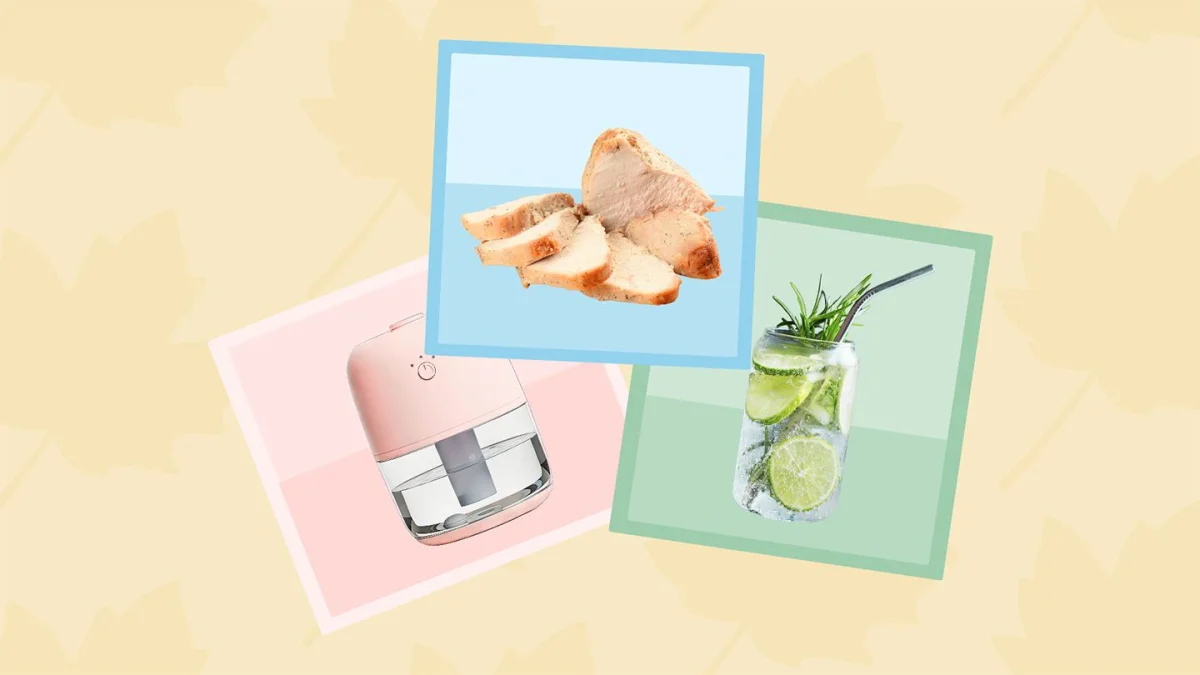
Thanksgiving can bring together several things that may make psoriasis harder to manage: a busy schedule, social stress, rich foods, cold weather and dry indoor air. None of these guarantees a flare, and people’s triggers differ. A little planning can help you care for your skin while still taking part in the meal and the traditions that matter to you.
Decide what you can manage
Start by choosing the kind of day that feels workable. Hosting, traveling, bringing food and staying for hours can all take energy. You might decide to attend without hosting, bring a dish, or set a time to leave. Knowing your limits in advance can make it easier to explain them calmly and avoid feeling pressured to make decisions on the spot.
For example, you could tell a host, “I can come at 3 p.m., but I’ll need to leave by 7.” If you’d like to bring something that suits your preferences, you could offer a salad or vegetable soup. A clear, considerate explanation can help others understand what you can do while keeping the focus on spending time together.
Stress can affect how people experience psoriasis, but it doesn’t mean you’re responsible for a flare or can prevent one simply by staying calm. If family dynamics tend to make the day difficult, consider planning a break, arranging your own ride, or asking someone you trust for support. The aim is to find a comfortable balance between connecting with others and giving yourself room to step away.
Make food choices flexible
If someone else is preparing the meal, you may have limited control over the menu. You can still look for foods that fit your needs, such as turkey with modest amounts of gravy, roasted or steamed vegetables, and salads with nuts, seeds or whole grains. Herbal tea or sparkling water with fruit can be alternatives to alcohol.
Some people find that eating patterns, alcohol or particular foods affect their symptoms; others don’t notice a clear connection. The source of a flare can be hard to identify, and one holiday meal does not establish that a specific food caused a skin change. Rather than treating the menu as an all-or-nothing test, consider including protein and produce alongside portions of the holiday foods you enjoy.
If you already follow a food plan for another health reason, take that into account when choosing what to eat. A dietitian or clinician can help you think through dietary questions, especially if you’re considering a major change. There’s no need to assume that avoiding a single food or following a broadly described “anti-inflammatory” diet will control psoriasis.
Prepare for cold weather and indoor heat
Cold air and indoor heating can dry the skin, which may add to irritation for some people. Keep up with the skin care routine that works for you, including moisturizing while traveling or staying overnight elsewhere. Dermatologist Jennifer Gordon recommends creams or ointments over lotions and suggests looking for moisturizing ingredients such as ceramides. Bring enough of your usual products to cover the trip, and moisturize areas that clothing normally covers as well as exposed skin.
Short, warm showers may be less drying than long, hot ones. Breathable clothing and layers can help you adapt if a room feels warm or cool. If you’re sleeping away from home, a small humidifier may be useful if dry air tends to bother your skin. The source article describes about 60 percent humidity as a target, but individual comfort and home conditions vary; there’s no need to treat that figure as a requirement.
Travel can disrupt routines. Pack any prescribed psoriasis medicine or skin treatment you normally use, and plan for how you’ll keep it accessible during the trip. Follow the instructions you were given for storing and using it. If you’re unsure how travel may affect a medicine, ask your pharmacist or clinician before leaving.
Keep the day in perspective
Psoriasis care doesn’t have to compete with enjoying the holiday. A flexible plate, a planned departure time or familiar moisturizer may make the day easier, but none guarantees that symptoms will stay quiet. If you notice a pattern between a particular food, stress or weather and your symptoms, keeping a brief record may help you discuss it with your care team.
If symptoms change significantly, your current care isn’t working well, or you’re unsure whether a treatment should be adjusted, contact a dermatologist or other clinician who knows your situation. For Thanksgiving itself, the practical aim is simpler: make choices that support your comfort, leave room for the parts of the day you value, and don’t expect one meal or one stressful moment to tell the whole story of your psoriasis.
===

