Noom Weight: What Its Psychology-Based Program Offers and What the Results Show
Noom combines food tracking, lessons and coaching. Its reported results and customer story are encouraging, but the supplied article gives limited evidence to judge them.

Noom Weight pairs food tracking with short lessons about habits, coaching and peer support. The approach may appeal to adults who prefer flexible guidance to strict food rules. But the article’s numerical claims come without enough study details to show how well the program works for people broadly, or how its results compare with other approaches.

How the program is structured
Noom describes its method as psychology-based: users track food and other habits while working through lessons intended to help them notice patterns and build different routines. The aim is to help people reflect on the reasons behind their choices, rather than label foods as forbidden. That framing may make tracking feel less rigid, though tracking itself won’t suit everyone.
The program’s color system groups foods to offer a quick way to think about nutritional content. The article doesn’t explain how those categories are calculated or how users should interpret them in different health circumstances. A color label is a simplified guide, not a complete assessment of a food or a person’s nutritional needs.
Daily lessons are described as taking roughly one to 12 minutes, with additional lessons available. The app also lists habit and mood tracking, food logging with an AI tool, body scans, recipes, meal plans, affirmations and challenges. Access to coaches and community forums is part of the support described; some customized meal or workout plans and other services may cost extra. The subscription price and the cost of add-ons aren’t provided in the source, so prospective users would need to check current terms.
What the results can tell us
The article says Noom customers lose twice as much weight as people working on their own, that some users lose about 15 pounds in 15 weeks, and that users may continue losing weight for two years after completing a six-month program. It also reports that 95% of customers consider Noom a good long-term solution. Those figures sound encouraging, but the article doesn’t identify the studies, explain how participants were selected, give the number of people included, or describe how outcomes were measured.
Without that information, readers can’t tell whether the results came from a controlled clinical study, a customer survey, or another source. Nor can they assess whether people who completed the program differed from those who stopped early, or whether the comparisons accounted for other support and changes in daily life. The figures therefore shouldn’t be taken as a forecast of an individual’s results. Weight change varies, and a program’s average or reported outcome doesn’t show what any one person will experience.
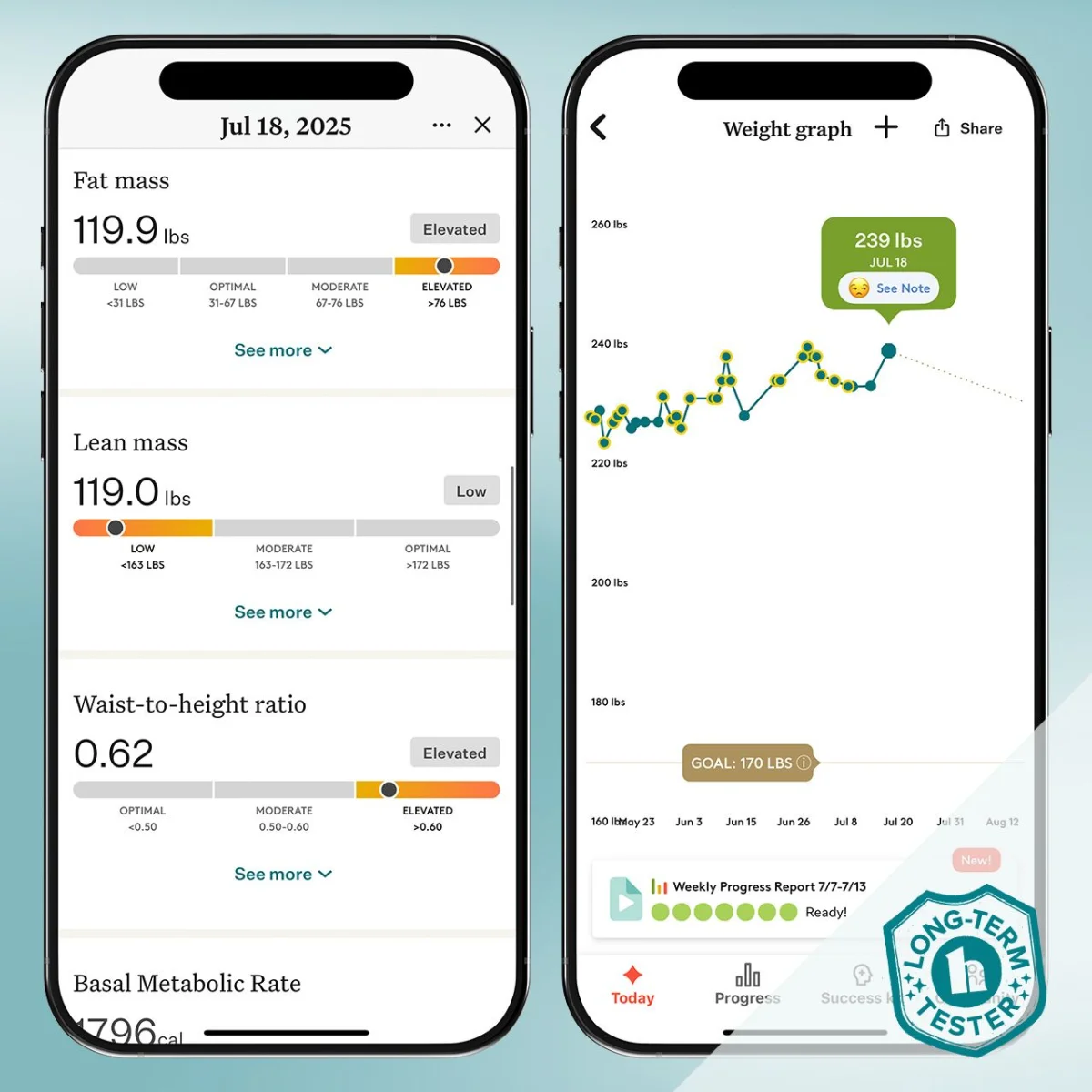
The source also shares the experience of Kimberly Currin, who tested Noom for more than a year and reported losing 20 pounds by month 11. Her account offers a personal view of what using the program felt like, including its challenges and the value she found in learning about her relationship with food. One person’s experience can help readers understand the day-to-day process, but it can’t establish that the program caused the same outcome for others.
Questions to consider before enrolling
Flexible lessons and adjustable goals may make the experience easier to fit around changing schedules. The article says that when users miss a step goal, the app may lower the next day’s target, and users can ask a coach for suggestions or restart lessons. These features may help some people continue after a difficult week. They don’t guarantee that the program will feel supportive or be a good fit for every user.
Cost is a practical consideration, particularly if a subscription or optional services become difficult to maintain. It’s sensible to review what the base subscription includes, which features require an added fee, and how cancellation works before signing up. The source lists extra-fee options that may include customized plans, a metabolism test kit, mental health coaching and prescription weight-loss medications. Medication decisions call for an individual discussion with a qualified clinician, who can consider health history, potential benefits and risks, and other treatment options.
People managing a medical condition, taking medicines, pregnant or recovering from an eating disorder may want to discuss changes to eating or activity with a doctor or pharmacist. A clinician can help assess whether food tracking or a particular weight-management approach fits their circumstances. Anyone who finds that tracking increases distress or restrictive behaviors can also raise that concern with a health professional.
Noom’s central offer is a structured way to reflect on habits, track food and access ongoing support. The account provided suggests that some users value that structure and report weight change, while leaving key questions about the strength and scope of the evidence unanswered. A useful next step for anyone considering it is to compare the actual features and ongoing cost with the kind of support they want, then discuss health-specific concerns with a clinician.