Julius Thomas on Emotional Regulation, Recovery and Life After Football
Former NFL tight end Julius Thomas says sustainable performance depends on recovery, emotional skills and support through major life changes.

Julius Thomas’s experience suggests that sustained performance depends on more than effort. The former NFL tight end says emotional regulation, sleep and recovery deserve a place alongside training and nutrition, for athletes and other high performers alike. His perspective comes from both professional football and a long career transition that led him to clinical psychology.
Thomas retired from football in 2018. At age 30, he entered graduate school without the familiar structure and daily markers of progress that had shaped his playing career. He described the change as moving from being highly skilled in one setting to being a beginner again, where mistakes and slow progress were part of the work.
He completed a clinical residency and earned a doctorate in clinical psychology in June 2025. He now works as a performance coach and consultant through Optimal Performance. In that role, he argues that emotional regulation is an overlooked part of athletic performance.
Injury risk and the cost of constant strain
Discussing injuries among NFL players, Thomas cautioned against attributing them to one cause. He said contact injuries are inherent to football and described the sport as carrying a very high injury burden. Training loads, playing surfaces, off-season routines, mobility and recovery can also shape non-contact injury risk.
Research offers some support for considering psychological stress as part of that picture. A 2017 meta-analysis published in Sports Medicine linked stress responses with greater injury risk and reported that psychological interventions reduced injury rates. That finding points to a possible role for mental skills in injury prevention; it does not establish that stress alone causes injuries or that any one intervention will prevent them.
Thomas uses a car engine as an analogy: constant acceleration without time to slow down and recover eventually takes a toll. In the body, the parasympathetic nervous system helps support rest and recovery after stress. Thomas says sleep and other recovery practices help maintain that balance. The broader takeaway is that repeated hard effort without enough recovery may make it harder to sustain performance.

Recovery habits matter beyond sports
Thomas sees similar patterns among business leaders. Some executives he has coached asked about nootropics for focus while describing very limited sleep; one client, he recalled, had been sleeping four hours a night for two decades. The example illustrates a mismatch between seeking a quick performance boost and addressing basic habits that can affect daily functioning.
His “Striving for 100” framework centers on five areas: exercise, sleep, nutrition, recovery and healthy substance use. He treats recovery as a foundation for the other habits. In individual coaching, he also draws on approaches including cognitive behavioral therapy (CBT) and acceptance and commitment therapy (ACT), using techniques such as acceptance, reframing and cognitive restructuring.
Thomas frames the cost of neglecting recovery as something that can accumulate over time or become apparent later through illness. That is his coaching perspective, rather than a prediction that any particular person will become sick. The practical point is that ongoing strain is worth paying attention to, especially when sleep, eating or everyday functioning begin to suffer.
Identity can make a career change difficult
Thomas says the move out of professional sport can challenge a person’s sense of identity as well as their work life. A friend told him a full transition could take about a decade; eight years after retiring, Thomas said he was approaching his goals in a new profession. He pushes back on advice that athletes should simply separate themselves from their sport, arguing that identity is shaped by daily roles and by how other people continue to see them.
That can be difficult when public attention remains fixed on a former career. Thomas still gets questions about his NFL years, including his seasons with 12 touchdown catches in both 2012 and 2013. He now helps athletes prepare for the shift by asking whether they have skills and support to find meaning and purpose in a different chapter.
He emphasizes that struggling through a major transition does not mean someone is failing. Changes in career, identity or routine can take time to absorb. Psychological tools and support may help people make sense of the change and adapt, though the process is individual.
Emotional strain has physical effects
Thomas’s training in psychoneuroimmunology informs his view that emotions, the nervous system and physical health are connected. He says prolonged stress can coincide with disrupted sleep and eating habits, as well as greater muscle tension. These effects can have many causes, so they aren’t a way to diagnose a condition. Persistent symptoms or distress are reasonable topics to raise with a health professional.
Putting feelings into words may be one small way to respond to emotional strain. A 2007 brain imaging study from UCLA, published in Psychological Science, found that labeling emotions reduced the amygdala’s response to negative images. This laboratory finding offers evidence about a possible mechanism; it doesn’t show that naming an emotion treats a mental health condition.
Thomas also points to differences in help-seeking. He cited data from the CDC reporting that 10.9% of U.S. men, compared with 16.9% of women, receive counseling or therapy from a mental health professional. The figures describe reported service use, not the reasons behind it or the quality of care. Thomas says people may find it easier to seek help for physical discomfort than emotional distress, even though support for mental health is available.
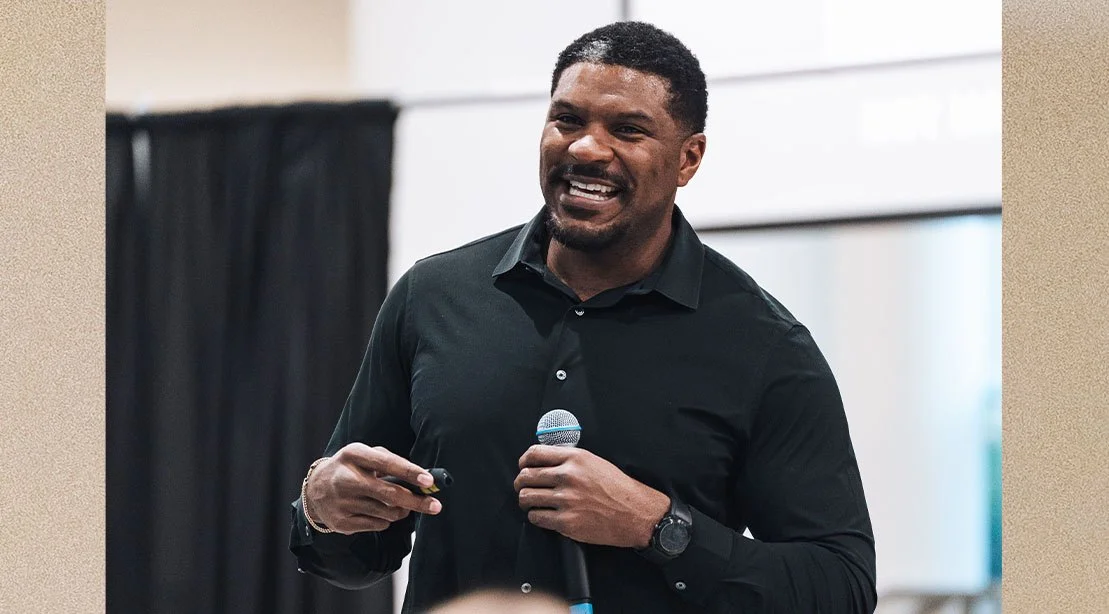
At Eudēmonia, scheduled for November 5–8, Thomas is set to give keynote talks on mental health and join a panel about mindset, performance and adaptability. He says the event’s connections across psychology, neuroscience, medicine and mind-body practices have continued to influence him. His central message is that high performance is more sustainable when well-being and quality of life are part of the work. For readers, that means treating recovery and emotional health as relevant parts of performance, and considering professional support when stress or a major life change becomes difficult to manage.