Kona Ironman Finishes Show How Quickly Late-Race Outcomes Can Change
Taylor Knibb won after a late reversal in Kona, while Solveig Løvseth finished eighth. The race offers a reminder that collapse during exertion needs medical attention.
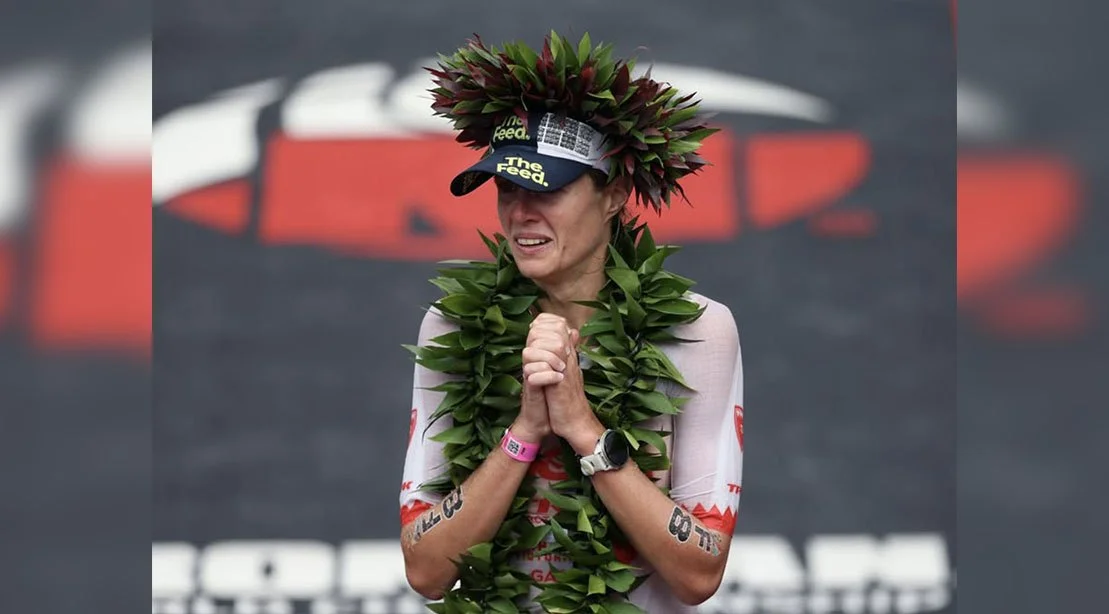
Taylor Knibb won the women’s Ironman World Championship in Kona in 8:36:29, but the final mile changed the outcome dramatically. Solveig Løvseth, the defending champion, had taken the lead with about five miles left. Near the finish, she began to stagger, stopped and fell. Knibb passed her to take the title. Løvseth got back up and finished eighth.
Germany’s Laura Philipp placed second, and Switzerland’s Julie Derron finished third. The results came at the end of a 2.4-mile swim, a 112-mile bike ride and a marathon run. That distance makes the closing stages a test of endurance under prolonged physical strain, but the race footage alone can’t explain why an athlete falters.
A reversal from the previous year
The result echoed the previous year’s race, when Knibb was leading late in the marathon before struggling and leaving the event without finishing. Løvseth moved ahead and won. Twelve months later, Knibb claimed the championship after Løvseth faltered near the finish. The reversal is striking, but it shouldn’t be reduced to a story about one athlete wanting victory more than another.
Both athletes had shown they could compete at the highest level. Knibb had won the 2026 Ironman 70.3 World Championship, a shorter triathlon distance. Løvseth was defending her Kona title. In an event lasting more than eight hours, preparation and ability matter, but a strong position late in the race can still change quickly. The finish demonstrates how much physical capacity can vary over the final miles, even among elite competitors.
What the collapse does—and doesn’t—tell us
The available account does not establish why Løvseth staggered and fell. Heat exposure, fluid intake, fueling and accumulated exertion are relevant factors to consider in a long race, but none can be confirmed as the cause from the reported events. A video or brief description of a collapse isn’t enough to diagnose a particular problem.
Collapse during strenuous exercise can signal a serious medical problem and deserves prompt assessment by medical professionals. For athletes and people watching someone exercise, the practical point is to take a collapse seriously rather than assume that a person simply needs encouragement to continue. Decisions about returning to exertion should be guided by appropriate medical assessment. The race account doesn’t provide details about Løvseth’s medical evaluation, so it can’t support a more specific conclusion about her condition.
That distinction matters beyond elite sport. Long efforts can involve several overlapping stresses, and symptoms that look similar to a viewer may have different causes. Advice about drinking more, taking electrolytes or pushing through would be guesswork without knowing what happened and the person’s circumstances. Anyone who has questions about fainting, unusual weakness or other symptoms during exercise can discuss them with a doctor or pharmacist, especially before making changes to medicines or supplements.
Men’s race adds another late move
France’s Vincent Luis won the men’s race in 7:47:27 at age 37, making his Kona world championship debut. A former Olympic competitor and world champion at shorter triathlon distances, Luis had also spoken about retiring. In Kona, he passed Denmark’s Magnus Ditlev during the marathon. Former champion Gustav Iden finished about a minute and a half behind Luis, while American Matthew Marquardt took third.
For the first time since 2019, the professional men’s and women’s championships were held together in Kona. Both races featured changes near the end, though each unfolded differently. Together, they show why an athlete’s place late in an event can’t guarantee the final result: a lead is provisional until the line, and fatigue can shape what happens next.
The useful takeaway for everyday athletes
Training, nutrition planning, equipment choices and preparation for heat can all matter in endurance events. They can help athletes prepare, but they can’t promise that the body will respond as expected throughout 140.6 miles. The same is true in a less dramatic way for people training at shorter distances: plans need to account for how someone is feeling, and symptoms during exertion deserve attention rather than assumptions.
Kona’s late reversals make for compelling competition, but the most useful lesson isn’t that athletes should keep going at any cost. Knibb’s win and Løvseth’s finish show how uncertain the final stretch can be. When someone collapses during exercise, safety and medical assessment matter more than the position they held moments earlier.


