Side Stitch While Running: Possible Causes, Relief and When to Seek Care
Side stitches affect many runners, but their cause remains uncertain. Learn what may ease the pain and which symptoms merit medical attention.
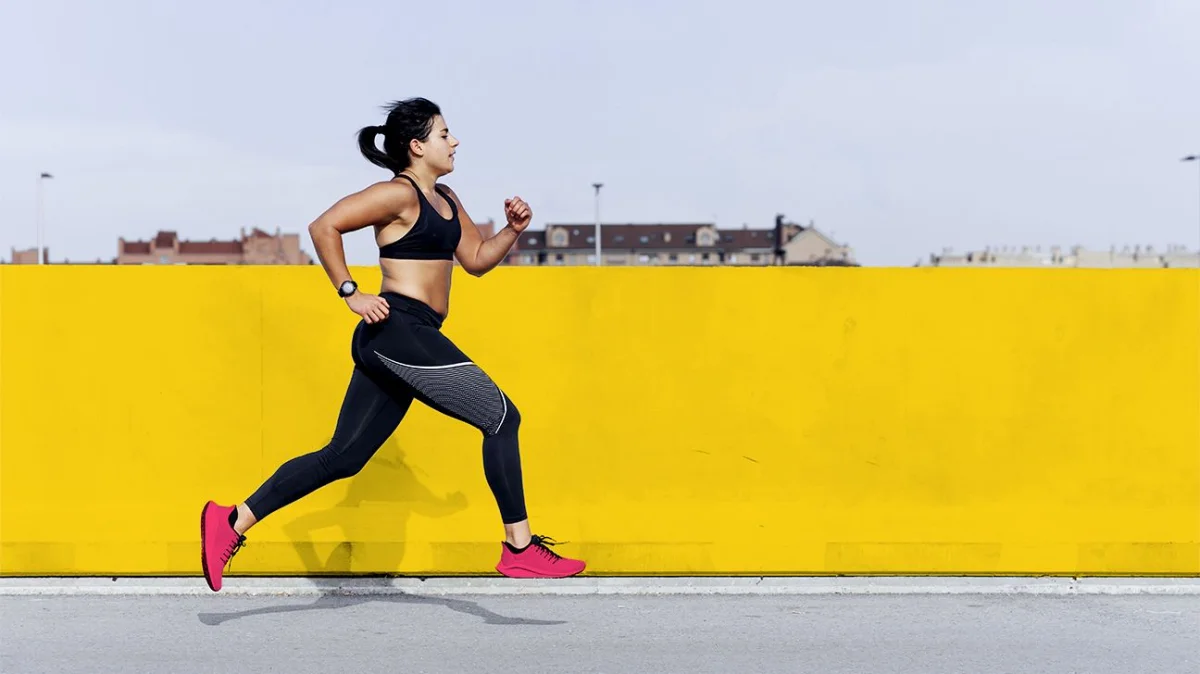
A side stitch can interrupt a run, but the evidence on why it happens is still unsettled. Researchers have proposed several explanations, including irritation around the diaphragm, breathing patterns and posture. For most people, the pain is temporary; slowing down and changing position may help it pass.
Known medically as exercise-related transient abdominal pain (ETAP), a side stitch is common in activities that keep the torso upright and moving for a sustained period. Running is a familiar trigger, but it can also happen during cycling, hiking or sports such as soccer. Research cited in a review estimates that up to 70% of runners experience one in a year. The pain occurs more often on the right side, though it can affect either side.
Why a stitch may happen
There isn't a confirmed single cause. A 2022 review describes several proposed mechanisms, but these remain explanations under consideration rather than settled findings. That uncertainty matters: a suggestion about how stitches might arise is not proof that a particular breathing or running pattern causes an individual person's pain.
One theory links the timing of foot strikes and breathing to irritation of the phrenic nerve, which is involved in diaphragm function. The proposal is that breathing out as the right foot lands may contribute to irritation in the abdomen, especially on the right. Since many people favor their right foot, researchers have considered this as one possible explanation. It doesn't establish that foot dominance or a specific exhalation pattern causes stitches.
Another theory focuses on changes in blood flow around the diaphragm during exercise. Older research has also suggested that a stiff spine or poor posture could play a part. These ideas may help explain why running, with its repeated impact and sustained upright position, can trigger discomfort, but the available evidence has not settled the question.
Food and drink are another possible factor. Reports suggest that a large meal or a lot of fluid shortly before running may make a stitch more likely. The precise link is unclear, so this is best understood as a potential contributor rather than a proven cause. The source article also links to general guidance on exercise after eating.
What may help when pain starts
If a stitch begins during a run, reducing your pace or pausing can give the discomfort a chance to ease. If it settles, you can decide whether to resume at a gentler pace. Pushing through sharp or worsening pain isn't necessary to complete a workout.
Some runners try raising their arms overhead and leaning away from the painful side while taking slow, deep breaths. This position may stretch the area around the abdomen and offer relief, though it isn't a guaranteed fix. Gentle pressure from the palm over the sore spot while breathing deeply is another approach described for easing a stitch.
These measures address temporary discomfort; they don't identify its cause. If the pain is severe, keeps returning, or continues after exercise, consider discussing it with a health professional rather than assuming it's an ordinary stitch.
Reducing the chance of a stitch
Prevention advice is based partly on plausible mechanisms and practical experience, not on firm proof that any one measure will work for everyone. A gradual warm-up and a steady increase in pace may be worth considering, particularly if a fast start tends to bring on discomfort. Beginner guidance on starting to run and running tips can help readers think about pacing and form.
Paying attention to breathing is another low-key strategy. The 2022 review discusses slower breathing during exercise as a way that may make exertion feel more manageable, but it does not show that breathing practice prevents side stitches. It remains a reasonable technique to explore if comfortable, rather than a proven treatment.
Some people find that avoiding a large meal or substantial drink for a couple of hours before a run helps. The right timing can vary with the person and the activity, and runners still need to consider their usual needs for food and fluids. Staying hydrated is sensible for general wellbeing, though the source does not establish that hydration alone prevents ETAP.
Posture and core strength may also be relevant. Research from 2014 suggested that abdominal strengthening could help prevent stitches, while earlier work considered posture as a possible factor. Neither finding means that a particular exercise program will prevent pain. If discomfort keeps interfering with activity, a physical therapist or qualified trainer may be able to review running form and help identify adjustments. This overview of running form offers related context.
When pain needs medical attention
A typical side stitch is usually short-lived. Pain under the breastbone, especially with difficulty catching your breath, is different from the usual side ache and deserves prompt medical attention because heart or lung problems can cause those symptoms. Seek medical advice as well for persistent pain after a run or severe, debilitating abdominal pain. A clinician can assess symptoms that don't fit the pattern of a brief exercise-related stitch.
ETAP is common, but its causes and best prevention methods remain uncertain. Pace changes, comfortable breathing and attention to posture may help some runners, while ongoing or unusual pain is a reason to consult a health professional.