Rucking Adds Resistance to Walking, but Start With a Manageable Load
Walking with a weighted backpack may build endurance and strength, though benefits depend on the load, pace and consistency.
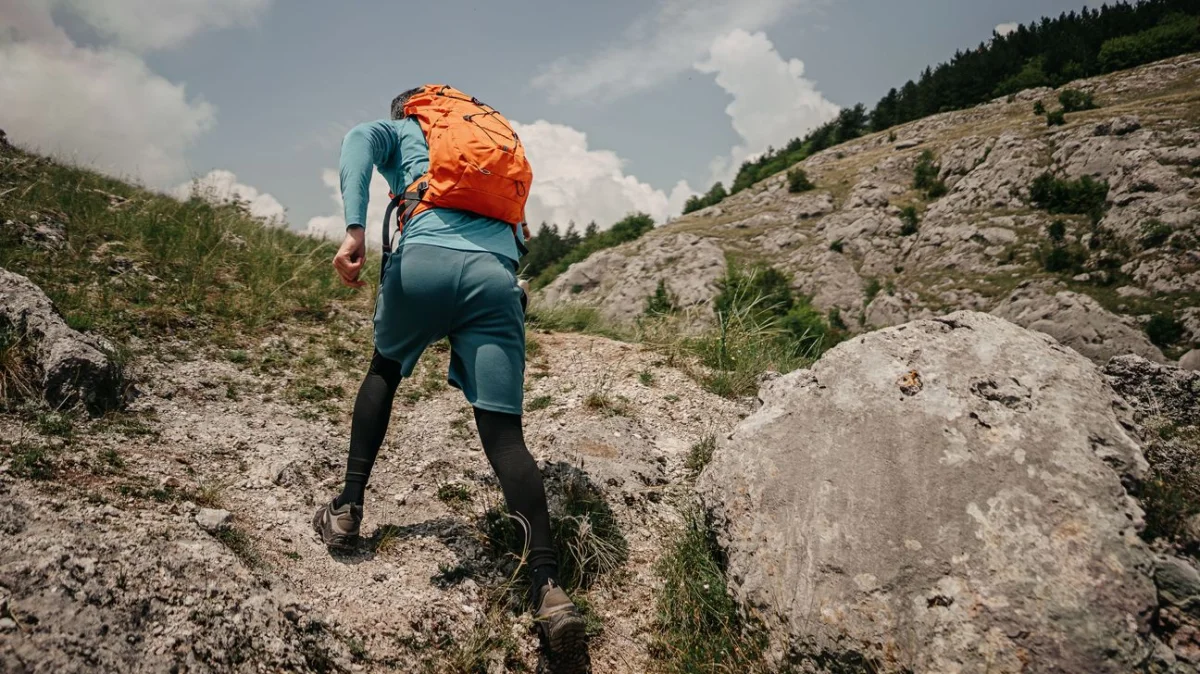
Adding a backpack to a walk increases the effort of each step and gives the legs, trunk and back more work to do. That makes rucking a practical way to combine walking with resistance, but it shouldn’t be treated as a guaranteed route to muscle gain or weight loss. The result depends on how much weight you carry, how far you go and how your body responds.
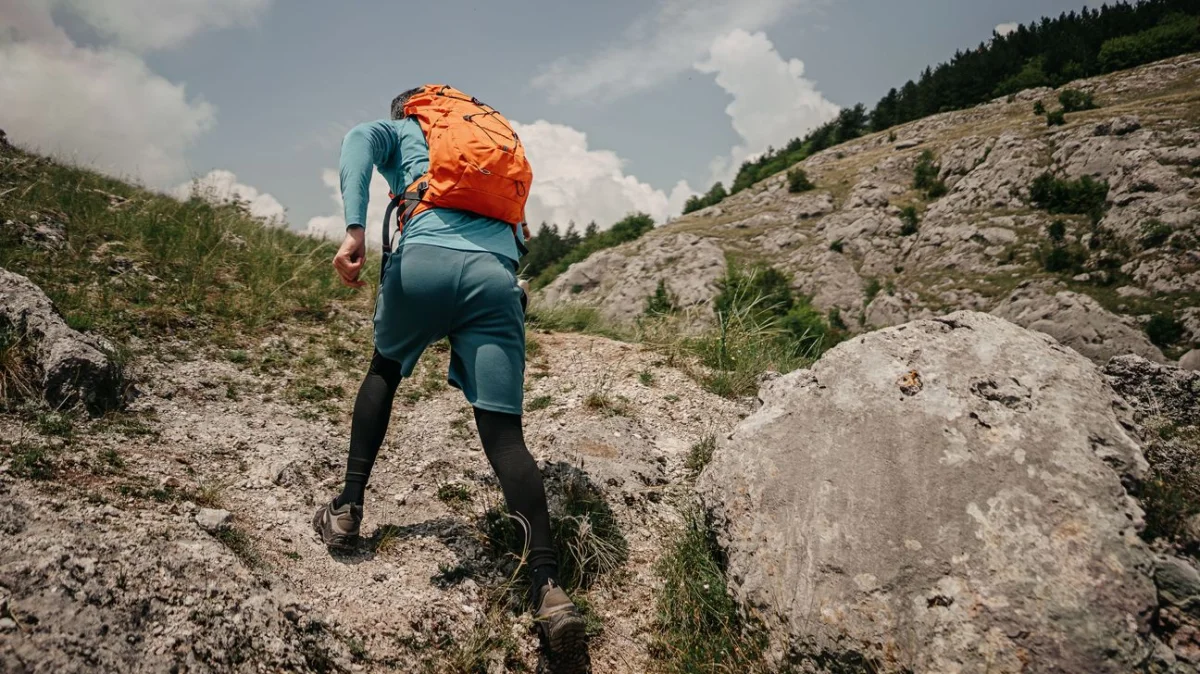
What changes when you add a backpack
Rucking is walking while carrying weight in a backpack, sometimes called a rucksack. The added load makes the body work harder to move and stabilize itself. Your legs carry you forward, while muscles in the trunk and upper back help support the pack and keep your posture steady.
That combination can challenge muscular endurance and cardiovascular fitness at the same time. It is still walking, though, and the source article does not describe a clinical trial or provide research results that quantify how much strength, fitness or calorie use rucking adds compared with an ordinary walk. Claims about those benefits should be understood as general fitness guidance, not a guarantee for any individual.
The activity can be done on a pavement, trail or other familiar route. It requires a backpack that sits comfortably and a way to add weight. Because the load is adjustable, people can make the walk easier or harder, but a heavier pack also increases the demands on the body.
Potential benefits, with realistic expectations
Strength and endurance: Carrying a pack makes walking more demanding for the legs and can ask more of the back and core muscles. Repeated sessions may help build the ability to sustain that effort. Rucking can complement other forms of exercise, but it doesn’t work every muscle in the same way as a varied strength program.
Cardiovascular effort: Walking with extra weight can raise the physical challenge of a walk. How much it changes the workout depends on factors such as the load, pace, route and a person’s current fitness. The source offers no comparison data, so it doesn’t establish that rucking burns a particular number of calories or is more effective for weight loss than another activity.
Posture and everyday carrying: A pack requires the body to manage weight while moving, which may help develop practical carrying endurance. Good posture matters: leaning forward or allowing the pack to pull the shoulders down can make the walk less comfortable. Rucking should not be presented as a treatment for posture problems or as a way to prevent injury.
Convenience: For people who already enjoy walking, adding a backpack can make the activity more challenging without requiring a gym. Some may be able to fit it into an existing walk, such as one with a dog. The activity still needs attention and enough time to choose a safe route and manage the load.
Starting with a load you can control
The source suggests beginning with a pack weighing about 10% to 15% of body weight. That is a broad starting range, not a target everyone needs to reach. If you are new to carrying weight while walking, feel free to begin below it—or first walk without a load to see how the route and pace feel. Comfort and control are more useful guides than hitting a particular percentage.
Choose a sturdy backpack with padded straps and adjust it so the weight feels stable. Keep your shoulders relaxed and your trunk engaged, and walk at a pace that lets you maintain control. If the bag swings, rubs or pulls you into a forward lean, adjust the fit or reduce the load. Avoid adding weight and distance at the same time; increasing one demand gradually makes it easier to notice how your body is coping.
Consistency matters more than making one walk especially hard. Give yourself time to get used to the activity, and allow for recovery if your muscles feel unusually tired. Warm up by walking easily at first, and cool down at a slower pace. On longer walks, bring water and wear supportive shoes suited to the surface.
Pay attention to discomfort and balance
A weighted pack changes balance and posture, and heavier loads may make both harder to manage. Choose routes with predictable footing while you’re getting used to carrying weight, and pay attention to uneven ground, traffic and other surroundings. Stop or lighten the pack if pain, persistent discomfort, numbness or an unsteady gait develops. Pain isn’t a signal to push through.
People with a health condition, a recent injury, difficulty with balance or questions about carrying weight can discuss the activity with a doctor or physical therapist before trying it. A clinician or pharmacist can also help consider whether a medication or health issue affects balance, heat tolerance or exercise. Pregnancy and recovery after childbirth can change comfort and physical capacity; the source’s broad suggestion that rucking may help after pregnancy does not establish that it is suitable for every person in that situation.
What to take away
Rucking is a flexible way to make walking more demanding by adding resistance. It may support strength and endurance, but the source provides no study details or measured outcomes to show the size of those effects. A comfortable pack, a modest starting load and gradual increases offer a sensible way to gauge whether it suits you. The most useful sign of progress is being able to complete walks with steady form and without worsening discomfort.