Vegetarian Muscle Building: Protein, Meal Timing and Supplement Considerations
A vegetarian diet can support muscle growth with adequate protein and calories. Learn about food choices, meal spacing and nutrients to discuss with a clinician.
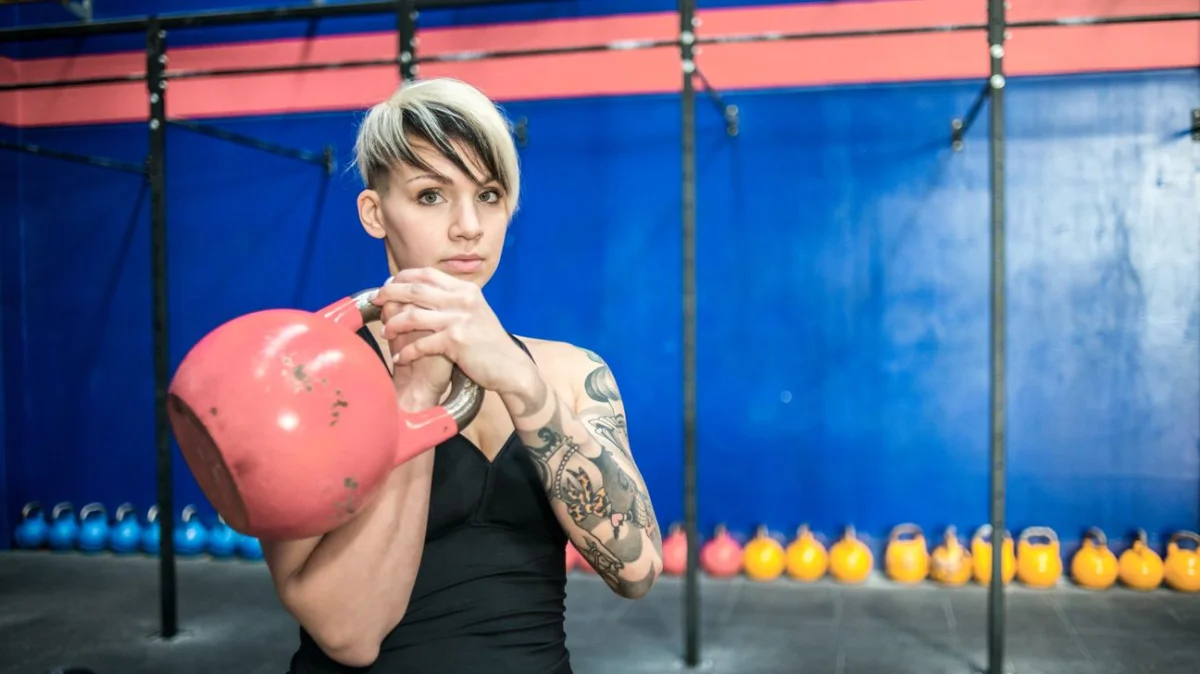
A vegetarian eating pattern can provide the protein and energy needed for muscle building, but it takes planning. The central challenge isn’t finding one perfect food; it’s bringing together enough protein across the day, eating enough overall, and paying attention to nutrients that may be harder to obtain from some vegetarian diets.
Start with the daily pattern, not a single meal
The source article cites a protein range of 1.6–2.2 grams per kilogram of body weight per day, or about 0.73–1 gram per pound. Its example for a person weighing 150 pounds is roughly 110–150 grams daily. These are general targets, not individualized prescriptions: needs can vary with training, body size, health and overall diet. Someone unsure what amount is appropriate can discuss it with a registered dietitian or clinician.
Vegetarian sources include tofu, tempeh, lentils, chickpeas, quinoa, nuts and seeds. People who eat dairy or eggs can also draw on foods such as Greek yogurt and eggs. Mixing these options across meals can make it easier to reach a daily target while keeping meals varied. For more ideas, see high-protein foods and protein-rich nuts.
Daily intake is only part of the picture. The article suggests including protein at meals and snacks about every three to four hours. That can be a useful planning framework, rather than a strict schedule: total intake and a pattern that fits someone’s appetite and routine matter too. A meal or snack with protein alongside carbohydrates and fats can also contribute to overall energy needs.
Make enough food part of the plan
Muscle-building goals require attention to total food intake as well as protein. A menu can contain plenty of high-protein ingredients yet still fall short on energy if portions or meals are too small. The source recommends keeping an eye on calories and the balance of protein, carbohydrates and fats. Carbohydrate-containing foods such as quinoa, rice, oats, potatoes and fruit can feature alongside protein sources; vegetables, nuts and seeds add variety.
Practical combinations don’t need to be complicated. Lentil stew with quinoa, chickpea curry, tempeh stir-fry, a bean burger, or tofu with brown rice are examples from the article’s food suggestions. These dishes pair protein-containing ingredients with other foods that can help make a satisfying meal. For recipe inspiration, see lentil dishes, chickpea curry and bean burgers.
A sample day built around vegetarian proteins
The following options are examples, not a prescribed menu or a guarantee that a particular person’s needs will be met. Portions and ingredients can be adjusted to appetite, food preferences and dietary requirements.
- Breakfast: Oatmeal with almond butter, chia seeds and plant-based protein powder, or a smoothie bowl with spinach, berries, protein powder, granola and pumpkin seeds.
- Snack: Greek yogurt with nuts and berries, or apple slices with peanut butter and hemp seeds.
- Lunch: Lentil soup with quinoa and vegetables, or a chickpea salad in a whole-grain tortilla with greens and roasted sweet potatoes.
- Snack: Hummus with carrots and whole-grain crackers, or edamame with almonds.
- Dinner: Tofu stir-fry with brown rice and vegetables, or bell peppers filled with black beans and quinoa.
- After training: A smoothie with fruit, greens, a milk or milk alternative, and protein powder if it helps meet an individual’s protein needs.
Timing a protein-containing snack after exercise may be convenient, but the article’s broader point is to meet needs across the day rather than rely on one post-workout product.
Supplements call for a closer look
Plant-based protein powder can be a convenient option when food alone doesn’t fit someone’s schedule or preferences. It’s a supplement, though, not a requirement for building muscle. People considering one can check its ingredients and discuss whether it suits their diet and health needs with a clinician or pharmacist.
The source also highlights creatine as a supplement with evidence supporting muscle-building benefits, while noting that potential benefits may be greater for vegan athletes than for people who eat meat. That doesn’t mean it’s right for everyone, or that the article establishes a specific product or use as appropriate for an individual. A clinician or pharmacist can help assess questions about supplements, health conditions and other medications.
Vitamin B12 and iron also deserve attention because adequate intake can be more challenging on some vegetarian diets. Needs depend on a person’s diet and circumstances; supplementation shouldn’t be assumed necessary for everyone. A clinician can advise whether dietary review or testing is appropriate. The source advises looking for third-party verification, such as NSF or Informed Sport certification, when evaluating supplements.
What to take away
Vegetarian muscle building is best approached as a consistent eating pattern: include varied protein sources, distribute them through meals and snacks, and make sure the overall diet provides enough energy. Tofu, tempeh, beans and lentils work for many meals, while dairy and eggs offer additional choices for those who eat them. Supplements may help in some situations, but questions about B12, iron, creatine or protein powders are worth raising with a qualified health professional.