Chris Valdes Lost 40 Pounds by Changing How He Cooks and Eats
The chef says lasting changes to portions, cooking methods and exercise helped him lose 40 pounds while keeping the flavors he loves.
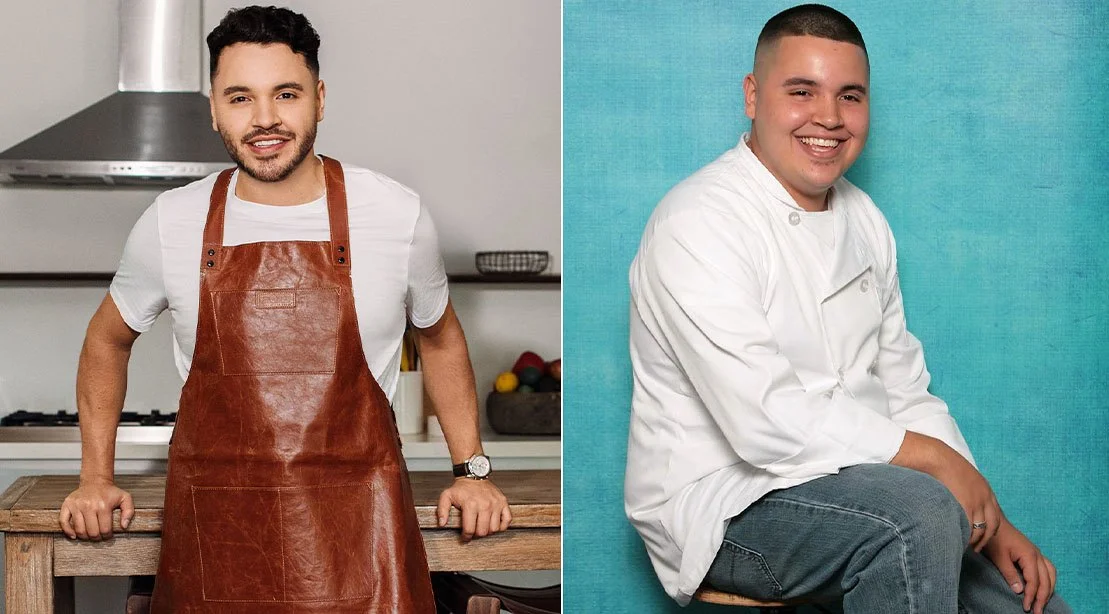
Chef Chris Valdes says he lost 40 pounds by changing his habits while keeping the Cuban and Latin flavors central to his cooking. His account is a personal story, not evidence that a particular eating plan or exercise routine will work for everyone. Still, it shows how someone whose career revolves around food approached weight management without trying to give up the dishes that connect him to his family and culture.
Valdes, a Miami native, became known as a finalist on Season 14 of Food Network Star. He is also a cook, author and television host. He describes his food as bold and flavorful, shaped by Cuban roots and Latin and Caribbean traditions. Those traditions include many foods with nourishing ingredients, he says, such as beans, vegetables, seafood, lean proteins, avocado, citrus, herbs and spices. They also include dishes that may be fried, rich in carbohydrates or served in generous portions.
His approach was to adjust preparation, ingredients and serving sizes while preserving familiar flavors. That distinction mattered to Valdes because food had long meant more than nourishment. He recalls it as a source of affection, comfort, family and celebration. His father often bought him chicken nuggets, and growing up around the family restaurant meant food was part of daily life. In his Latino family, gatherings and celebrations often centered on a meal.
Food, work and a turning point
Valdes’s relationship with cooking began during a difficult period in childhood, after his father went to prison and the family restaurant closed. Television cooking programs caught his attention. Preparing food for himself gave him a place to focus and feel capable when other parts of life felt unsettled. Cooking eventually became his passion and career.
That closeness to food also made changing his eating habits complicated. At culinary school, he tasted six or seven dishes a day, and he says he still thinks about food frequently. At 23, he learned that his cholesterol was “far too high,” a result he describes as a wake-up call. His first response was to hire a trainer and exercise intensely. When he reduced his gym visits, much of the weight returned.
At 25, Valdes underwent liposuction. Looking back, he says he had hoped that changing his appearance might make other things fall into place. It did not change his habits or his relationship with food, he says. His experience underscores a limit of procedures that alter body shape: they don’t, by themselves, build the routines and skills a person may need to maintain a change in weight.
Because food is both his work and a source of personal meaning, Valdes didn’t see avoiding it as a realistic answer. Instead, he found an activity he could sustain: CrossFit. He says exercise helped his mental well-being as well as his physical activity. Focusing on getting through the next repetition gave him a break from worries about the future.
Valdes also describes using the “21/90 rule” as a way to think about building routines: 21 days to form a habit and another 90 days to make it stick. This is a framework he chose for himself, not a guarantee that habits form on a set schedule. People’s circumstances and experiences differ, and lasting routines may take more or less time.
Small food changes that preserved flavor
On the food side, Valdes stopped drinking sugary sodas and began paying closer attention to how meals left him feeling. He says greasy foods became less appealing when he connected them with feeling sluggish afterward. Rather than focusing only on what to cut, he started adding more protein, vegetables and fresh ingredients that helped him feel satisfied.
He also changed how he cooked. Grilling, roasting, air-frying or searing replaced deep-frying in some dishes. Fresh citrus, herbs, garlic, chiles and spices supplied flavor in place of relying on heavy sauces. He chose leaner proteins, included more vegetables and watched portion sizes. These are the changes Valdes credits with helping him keep the weight off; the source provides no clinical measurements or details about how long he has maintained the loss.
For him, taste is a condition of making changes last. “If the healthier version doesn’t taste good, you’re probably not going to stick with it,” he says. He doesn’t call himself a “healthy chef” and says he has no intention of abandoning Cuban and Latin foods. Finding ways to retain a dish’s character while changing its preparation has instead become part of his creativity as a cook.
Valdes’s experience can’t establish which approach is best for another person, and weight changes depend on many factors. His story does offer a practical idea: food traditions and health goals don’t have to be treated as opposites. For people considering changes to eating or activity, a doctor or registered dietitian can help account for individual health needs, including cholesterol concerns. Valdes’s own account points to the value he found in repeatable changes that fit both his daily life and his love of cooking.
Follow Chef Chris Valdes on Instagram: visit his profile.