Frank Grillo on Fitness, Aging and Responsible Testosterone Care
Frank Grillo shares how training, medical testing and mental health shape his approach to staying active as he ages.
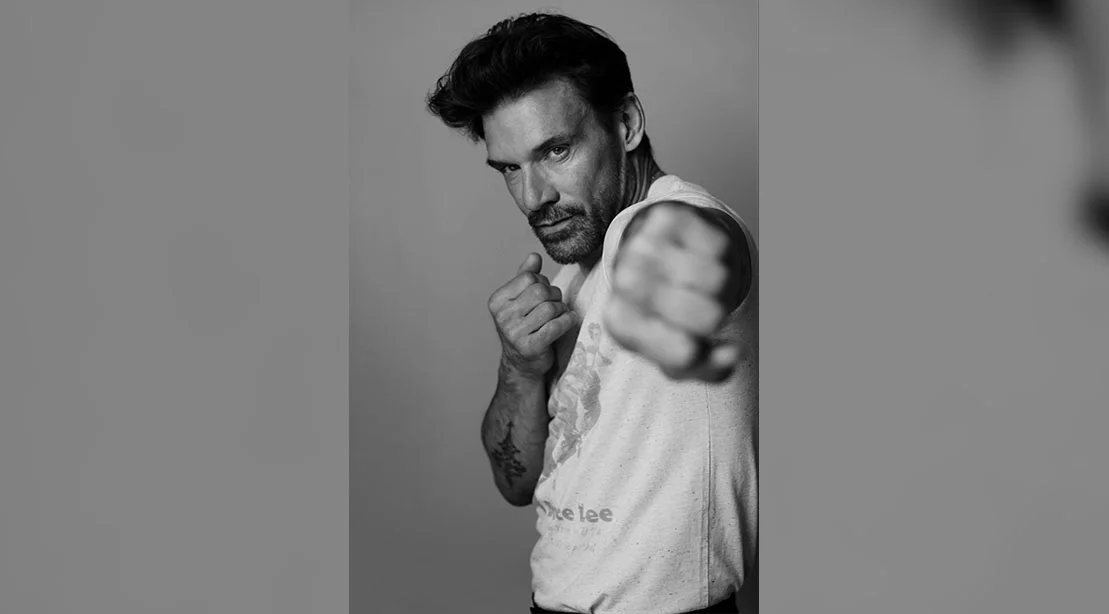
Frank Grillo’s approach to aging starts with a practical idea: keep doing the things that matter to you, while paying attention to how your body and mind respond. The 60-year-old actor still trains daily, but he no longer treats effort alone as a complete plan. His account touches on the demands of preparing for action roles, a physician’s discovery of low testosterone, and the importance of medical guidance and mental health support.
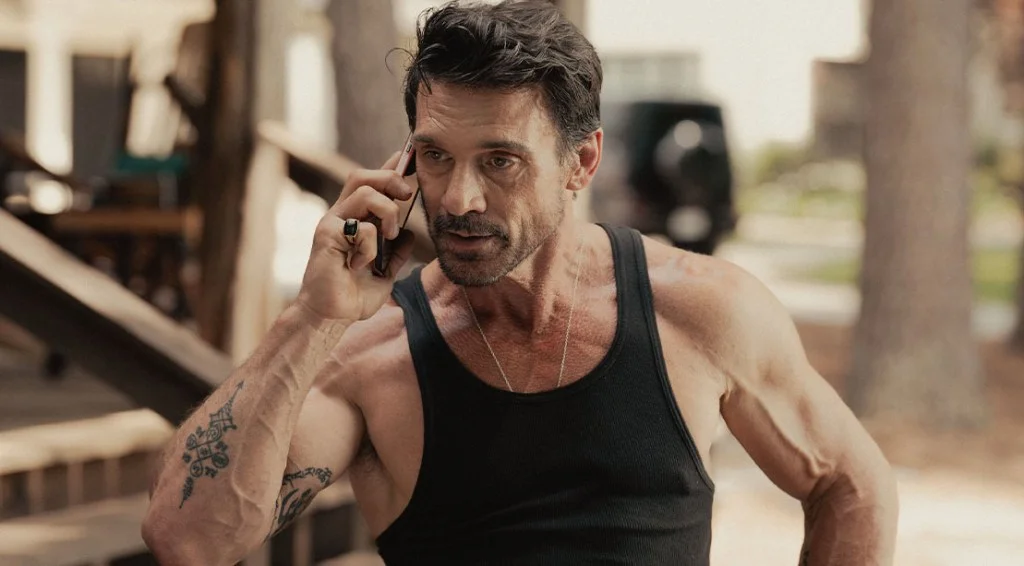
Grillo’s experience is personal, not a template for other people. His training history, test results and response to testosterone replacement therapy (TRT) don’t establish what another person needs. His clearest advice on hormones is to start with testing and a physician’s assessment, rather than assuming age, fatigue or a particular physique tells the whole story.
When a role demands a major physical change
Grillo says his most demanding preparation came for Boss Level, in which he played Roy Pulver, a former special forces operative trapped in a time loop and forced to repeat a dangerous sequence of fights. For about eight weeks, he had a strength and conditioning coach, a boxing trainer and a gym at the house where he was staying.
His routine paired daily boxing for cardio with heavy lifting. Trainer Brendan Johnson used a program Grillo likened to powerlifting, aiming to build substantial strength and muscle while keeping him lean. Grillo says his weight rose from his usual roughly 165 pounds to about 190 pounds for the role.
The difficult part came after filming. Grillo says it took around a year to return to his usual size in a way he considered healthy. He wouldn’t want to repeat the process, he says, particularly at his age. The experience is a reminder that a screen-ready transformation can place demands on recovery well beyond the production schedule. A dramatic physical change may suit a role, but the pace and cost of returning to baseline matter too.
A routine built around movement
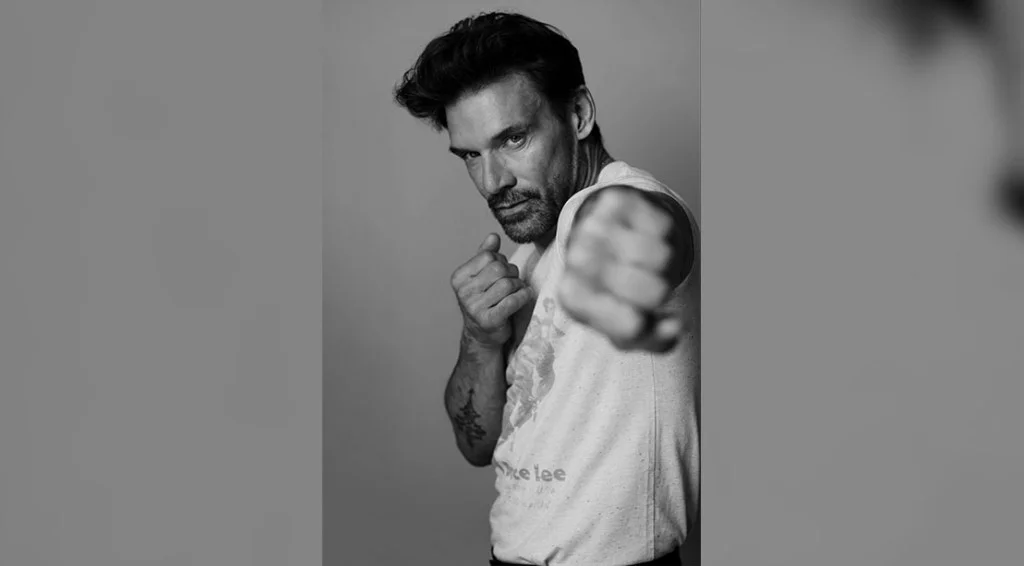
Training has been a constant for Grillo, not just a short-term requirement of acting. He says he boxes for about 90 minutes a day and does strength and conditioning five or six days a week. Wrestling was an early part of his athletic life; boxing, Jiu-Jitsu and other forms of training followed.
CrossFit also held his attention for a time. Grillo says he sustained some injuries and found that combining CrossFit and boxing on the same day felt like too much for his nervous system. His account reflects a change in emphasis: training that once appealed because of its intensity may not remain a good fit when stacked alongside other demanding activity.
Combat sports continue to interest him for more than their physical demands. Grillo traveled internationally for Netflix’s Fight World, exploring fighting traditions and communities in different places. He says he is drawn to the discipline involved in becoming an elite fighter and to what training can reveal about a person’s character.
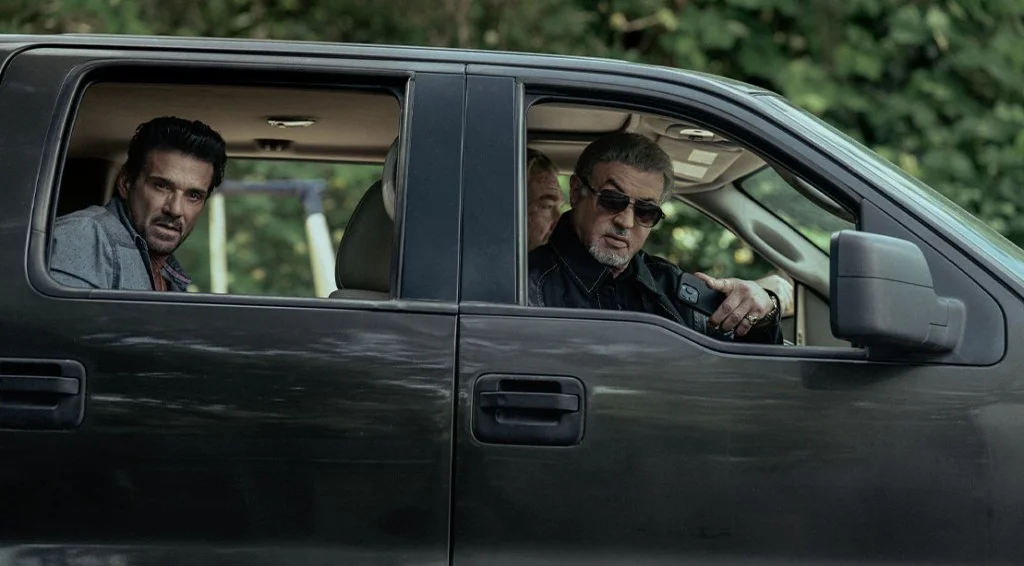
That interest has carried into his work on Tulsa King, the series led by Sylvester Stallone. Grillo describes Stallone as an inspiration within the action genre, alongside Arnold Schwarzenegger, whose example connects physical preparation with a long career. For Grillo, staying capable is part of a wider question: how to keep working, training and recovering as the years pass.
Bodybuilding’s influence and the Olympia
Grillo’s appreciation for fitness reaches back to his childhood, when he began lifting with a Joe Weider weight set at age 12. He grew up watching the popularity of bodybuilding rise, with Weider and Schwarzenegger helping bring the sport and fitness culture to a wider audience.
He now trains at Gold’s Gym Venice, which he calls “the Mecca.” Though his own exercise centers on boxing, combat sports and functional strength, he admires bodybuilding’s emphasis on symmetry and physique. He singles out Arnold Schwarzenegger, Frank Zane and Lee Haney as figures whose physiques he found beautiful to look at.
Grillo sees the Olympia as a celebration of the fitness culture that shaped him. He says Schwarzenegger helped make fitness mainstream in the 1970s and 1980s, and he responded enthusiastically to the idea of attending the event. His interest isn’t limited to one style of training: bodybuilding, in his view, has influenced a broader pursuit of discipline and physical excellence.
What Grillo says about testosterone treatment
Grillo’s interest in aging and recovery shifted after routine bloodwork with his physician, Dr. Rand McClain, showed a testosterone level he recalls as being around 200. McClain questioned how Grillo was sustaining such a demanding schedule and recovering consistently. Grillo remembers the physician telling him that grit alone wouldn’t carry him through the later part of life.
After reviewing his results, Grillo decided to try TRT with medical supervision. He says he had not realized how tired he was or how poorly he had been recovering. He reports changes in how he felt and looked, as well as improvements in sleep and mood. He says he used to sleep about four or five hours a night and now often gets closer to nine.
Those are Grillo’s reported experiences. They can’t show that TRT caused each change, or predict how another person would respond. His story also doesn’t establish that low energy, disrupted sleep or difficulty recovering mean someone has low testosterone. Those concerns can have many possible explanations, so a clinician’s assessment matters.
Grillo compares noticing the effects of TRT to what he experienced when he stopped drinking wine every day: he hadn’t understood how much it affected him until he changed his routine. That comparison helps explain his personal impression, but it is not evidence that TRT and alcohol have the same effects or risks.
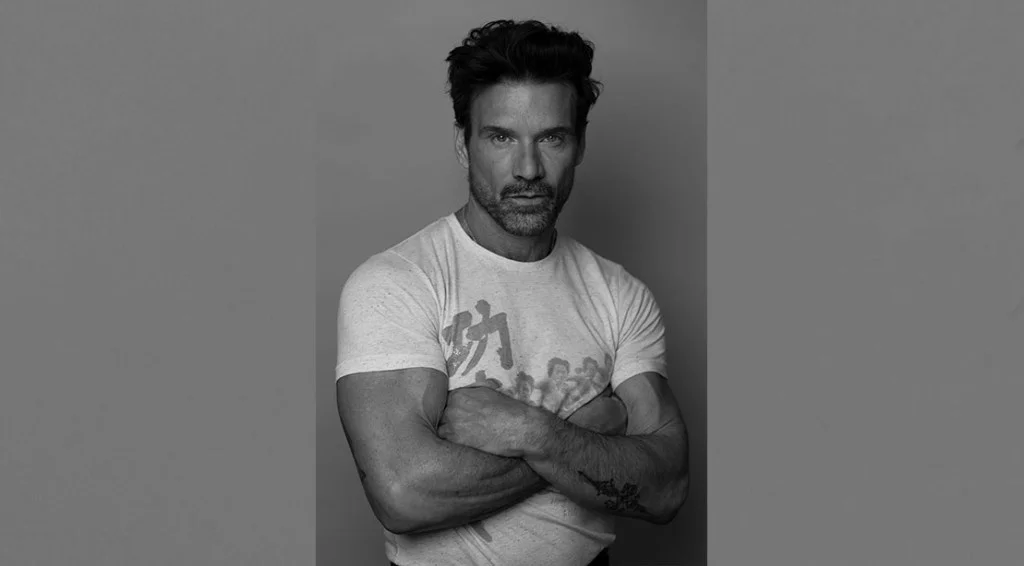
His advice to men considering hormone treatment is to get bloodwork first and speak with a physician. He points out that testosterone levels vary: he says some men at age 50 may have a level of 700. Age by itself, then, doesn’t tell someone whether treatment is appropriate. Nor should another person’s results or appearance be taken as a guide to one’s own care.
Grillo says even telemedicine should include medical oversight and an assessment of whether a person is a suitable candidate for treatment. He has also become involved with the $99 TRT Club, which he says aims to put education, testing, pharmaceutical-grade products and responsible decision-making at the center of the discussion. For readers, the practical point is that hormone treatment belongs in a conversation with a qualified health professional who can review individual results and circumstances.
Interest in new treatments, with patience
Grillo is curious about peptides, gene therapy and other approaches being discussed in connection with longevity and day-to-day health. He sees potential, while acknowledging the need for caution when new treatments attract attention faster than long-term evidence can develop.
He draws a comparison with past generations of bodybuilders who experimented with substances before researchers understood their lasting effects. His concern is that consumers could repeat that pattern by trying products before the evidence is clear. He says people need to be informed and that sellers carry a responsibility to explain what they offer honestly.
For Grillo, that means learning what a treatment is, giving it time and resisting the urge to chase each newly popular option. He describes himself as cautiously optimistic and says the science remains a work in progress. That is a useful distinction: interest in a possible benefit is not the same as proof of lasting safety or effectiveness. Anyone weighing a treatment can discuss the evidence, uncertainties and personal risks with a clinician.
Mental health belongs in the discussion
Grillo sees mental health as part of staying well, alongside exercise and physical recovery. Sobriety and the loss of people close to him to suicide have shaped how he thinks about emotional distress. He says that when someone feels despondent or unable to find joy, adding another substance or treatment may not address the underlying problem.
Exercise has often helped Grillo through difficult periods. He encourages friends to move, sweat and go to the gym, but he is clear that activity cannot answer every need. Sometimes, he says, people need professional help. That distinction matters: exercise can support well-being, while persistent distress may call for care from a qualified mental health professional.
He also tries to notice when people around him become quieter, withdraw or seem to lose their happiness. Some people who contact him through social media describe difficult circumstances. Grillo says he cannot solve their problems, but he tries to listen and encourage them to seek professional support. Sometimes, he says, a kind response from a stranger can help.
Faith, curiosity and a changing idea of fitness
Asked what keeps him grounded, Grillo points to God and describes faith as a steady part of his life. He also sees himself as a constant learner, whether he is following combat sports, considering health research or trying to understand himself better.
He links physical fitness with other parts of well-being, including mental and spiritual life. That broader view helps explain why his aim isn’t to recreate the body or routine he had at 25. He says he doesn’t expect to train as he did then, but believes he can maintain a level of activity that lets him keep doing what he enjoys.
Grillo still boxes and trains regularly, follows combat sports and rides dirt bikes. His story combines an intense routine with a willingness to adapt, whether that means recognizing that a role-related transformation took too much out of him or seeking medical input about recovery.
For adults thinking about their own health, his experience offers a measured takeaway: staying active can remain meaningful with age, but personal limits and needs change. Medical tests and professional advice can help put symptoms and treatment options in context; mental health deserves attention alongside physical goals. The aim, as Grillo frames it, is to keep moving in a way that can be sustained.


