Imerman Angels Connects People Affected by Cancer With Peer Mentors
The free service matches people with cancer, caregivers and others at increased risk with mentors who understand their experiences.
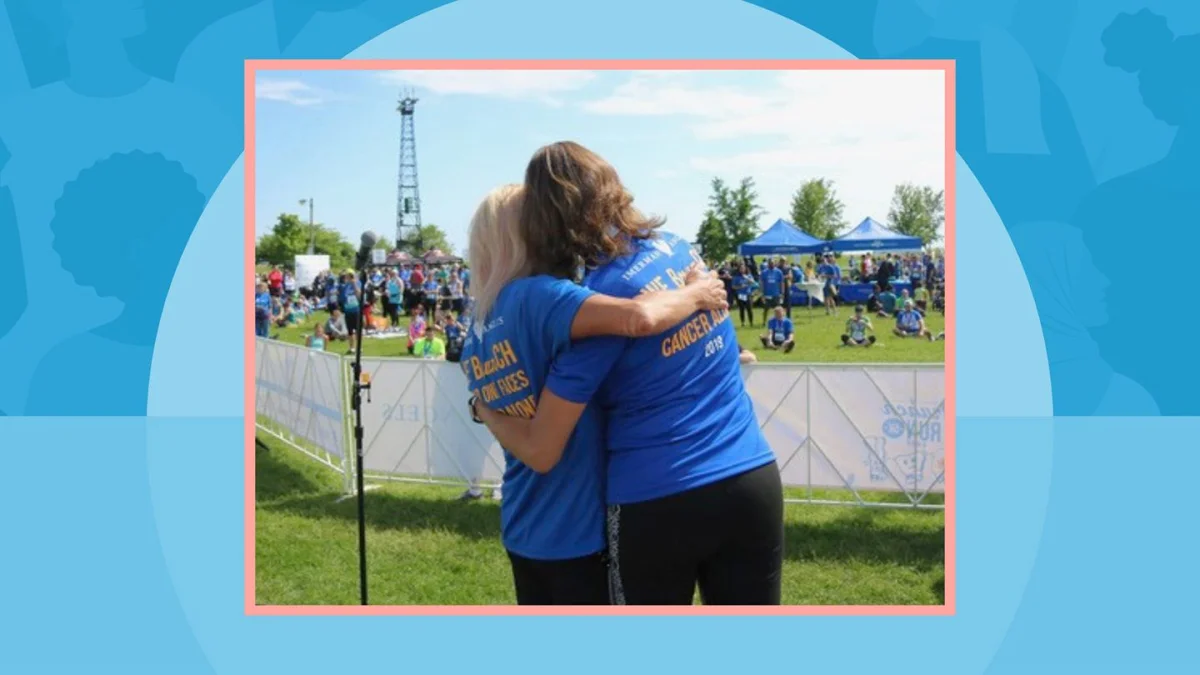
A cancer diagnosis can leave people with questions they don’t feel able to answer with family or friends, even when those loved ones are supportive. Imerman Angels offers free one-to-one connections with people who have lived through similar experiences, giving those affected by cancer a chance to talk with someone who understands firsthand.
The organization grew out of founder Jonny Imerman’s experience. Diagnosed with testicular cancer in October 2001, at age 26, he had friends and family around him during treatment. He still wanted to speak with a peer about concerns such as what to eat during chemotherapy, dating after cancer and when he might feel like himself again. In 2006, Imerman and a group of advocates and supporters cofounded Imerman Angels to help others find that kind of connection.
Matching people around their experiences
Mentorship is the organization’s main service. People can request a mentor after a diagnosis or at any point later, including after treatment. Caregivers and previvors—people at increased risk of developing cancer—can also seek a match.
Each connection is shaped around the person’s circumstances and priorities. Stephanie Lieber, executive director of Imerman Angels, says the team considers details such as the kind of cancer experience someone has had, family responsibilities, work and personal interests. “We know that folks are more than just a cancer diagnosis,” she says.
That approach can help people find a peer who understands a specific concern. Lieber describes a young mother with breast cancer who feared she would have to give up marathon running after a double mastectomy. The organization connected her with another mother who had the same type of cancer and had returned to marathons after surgery. Someone with children might instead want to talk with a parent about explaining a diagnosis to them, while another person might be looking for insight into a treatment side effect.
To ask for a match, people can call 866-IMERMAN (463-7626) or fill out a short form on the organization’s website. A cancer support specialist arranges a conversation about the person’s experience and what they hope to get from mentorship. After a match, the two people choose how to keep in touch: options include texting, phone calls, video calls or meeting in person.
The time involved varies. Some connections are a few conversations focused on particular questions; others grow into lasting friendships. A peer mentor can offer shared experience and companionship, while questions about symptoms, treatment choices or other medical concerns are best discussed with a healthcare professional.
Support for caregivers and life after treatment
Imerman Angels also focuses on caregivers, who may set aside their own emotional and physical needs while caring for someone else. Lieber says some caregivers continue to face these challenges after their loved one’s treatment ends. The organization’s Cancer Caregiver Companion guidebook draws on caregivers’ experiences and expert advice to help readers recognize when they need support and consider how to ask for it. It focuses on personal well-being rather than tasks such as arranging rides or tracking medications.
Support can matter beyond active treatment, too. Emotional changes and shifts in relationships may continue as people adjust to life afterward. Talking with someone who has been through a similar transition can help a person feel understood, though peer support doesn’t replace care from a clinician when distress or health concerns need professional attention.
Guides, events and community activities
The organization offers downloadable resources people can use at their own pace. Its Grief Toolkit, created with members of its community, is also available in Spanish as Kit de Duelo. A Journal for Your Journey is a digital diary with prompts for reflection and managing anxiety during treatment and recovery. Seasonal Cancer Resource Guides cover themes that have included relationships, caregiving and life after treatment.
Imerman Angels also holds four online community events each year. People affected by cancer share experiences alongside healthcare professionals who provide information and guidance. Recent discussions have covered cancer’s effects on relationships and family-building, as well as the needs of people from Black, Indigenous and other communities of color. Upcoming sessions are listed on the organization’s website.
For those who want to take part in fundraising, the annual Brunch Run 5K & Walk follows Chicago’s lakefront and ends with brunch. Team Imerman Angels offers places in major marathons around the world; entry fees are covered for some events, and participation and fundraising requirements vary. People can also choose their own activity, such as a 5K or cycling event. The funds help keep the organization’s services free.
People can contact Imerman Angels at 866-IMERMAN (463-7626) or info@imermanangels.org. Its central idea is straightforward: the right peer connection can make a difficult experience feel less isolating, whether someone is in treatment, caring for a loved one or adjusting to what comes afterward.


