Holiday Meals: Five Ways to Enjoy the Food Without Overeating
Regular meals, thoughtful portions and a slower pace can help make holiday gatherings more comfortable and enjoyable.
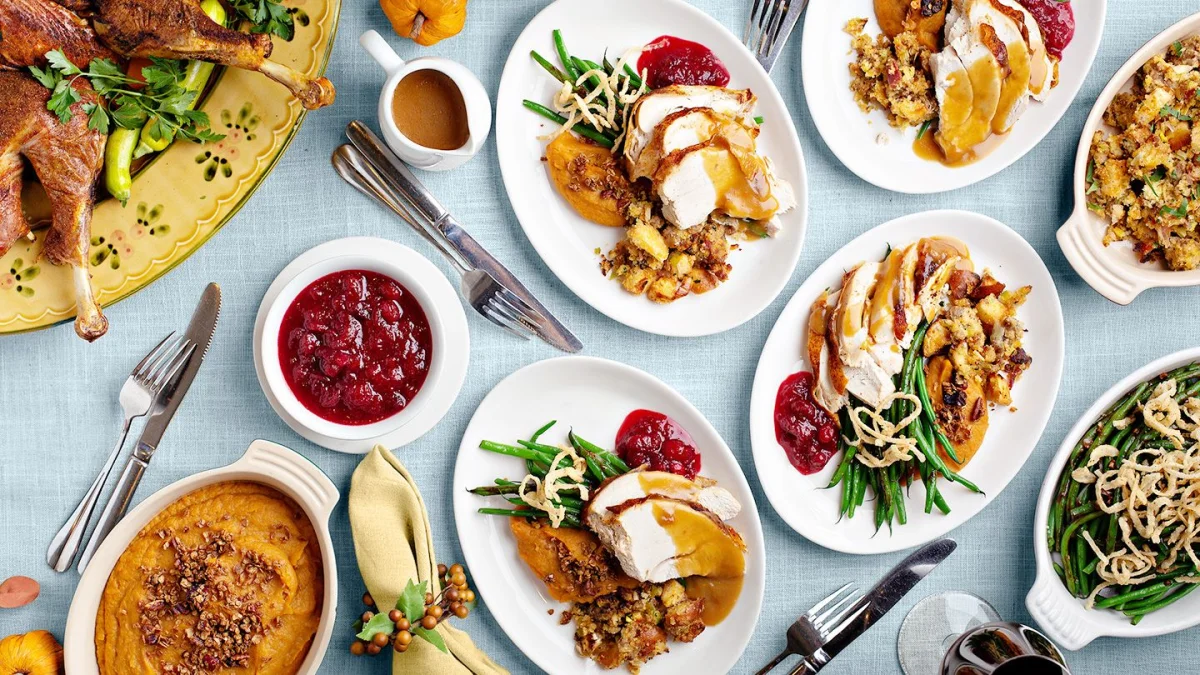
Holiday meals can stretch longer than usual, with favorite dishes close at hand and conversation continuing around the table. A few flexible habits can help you enjoy the food without feeling uncomfortably full. The aim isn’t to avoid every rich dish or follow a perfect plan; it’s to make choices that leave room for both the meal and the company.
Eating more than feels comfortable may cause short-term heartburn. Over time, consistently taking in more energy than the body uses can contribute to weight gain, which is associated with higher risks of type 2 diabetes and heart disease. Weight is only one part of health, and a single holiday meal doesn’t determine a person’s long-term risk. The suggestions below focus on manageable choices across a gathering, rather than treating one meal as a test.
Keep a familiar meal rhythm
A celebration may happen at an unusual hour, but skipping meals beforehand can leave you very hungry by the time food is served. When possible, keep your usual pattern: have breakfast, and consider a snack before a late meal if that’s part of what works for you. This can make it easier to choose food at a comfortable pace instead of arriving ready to eat whatever is nearest.
Regular eating habits are one way to make a holiday meal feel less like an exception that needs to be compensated for. You don’t have to reproduce your everyday schedule exactly. A small adjustment, such as eating a familiar meal earlier in the day, may be more practical than trying to hold off until the gathering.
Choose portions with the whole meal in mind
Holiday dishes can include fatty meats, cheeses and other foods high in saturated fat. Eating less saturated fat over time can help support healthy cholesterol levels, but there’s no need to treat a single serving as a health verdict. If you’d like a mix of foods, make room on your plate for vegetables, fruit, whole grains and lean protein alongside a smaller serving of the dishes you most want to try.
One approach is to look over the full spread before serving yourself. That gives you a chance to decide which foods matter most to you and how much you want, instead of filling your plate with the first options you see. If you’re unsure whether there will be foods you enjoy, bringing a dish to share can add another choice to the table.
Make a simple plan before you arrive
Planning can be as modest as deciding to have a snack beforehand, drinking water during the day, or choosing one favorite dessert. The useful plan is the one that fits your appetite, health needs and the event. It doesn’t need to rule out foods or leave you feeling that you’ve failed if circumstances change.
At a large buffet or family-style meal, pause to see what’s available before taking food. You can then pick a few things you’re looking forward to and serve a portion that feels comfortable. If you want more after eating, take a moment to check in with your appetite. That brief pause can help distinguish wanting another taste from continuing simply because food is within reach.
Give the meal time
Eating quickly can make it harder to notice fullness as it develops. There isn’t a precise timer that works for everyone, but slowing down gives you more opportunity to pay attention to how the meal feels. Chew at a comfortable pace, set down your fork between bites, and take breaks for conversation. Sipping water may also help some people slow the meal.
This doesn’t need to become a strict technique. The point is to create enough space to notice whether you’re still hungry and enjoying the food, or beginning to feel overfull. People’s appetites and fullness cues vary, so treat them as information about your own experience rather than a rule for how much everyone should eat.
Put the gathering at the center
When food is plentiful, it can take over attention. Making time to catch up with family and friends can naturally break up the meal and make the event about more than what’s on the table. If it suits the group and the weather, a walk before or after eating can add movement and provide another way to spend time together.
People managing a health condition or following guidance from a clinician may have specific needs around meals. A doctor or pharmacist can help clarify how general suggestions fit alongside an individual care plan. For most gatherings, though, a steady routine, a considered plate and a relaxed pace offer a practical way to enjoy the occasion and finish the meal feeling comfortable.


