Eight Factors That May Trigger a Gout Flare and What to Know
Food, alcohol, dehydration, illness, medicines and other factors may contribute to gout flares. Recognizing patterns can help guide a discussion with your care team.
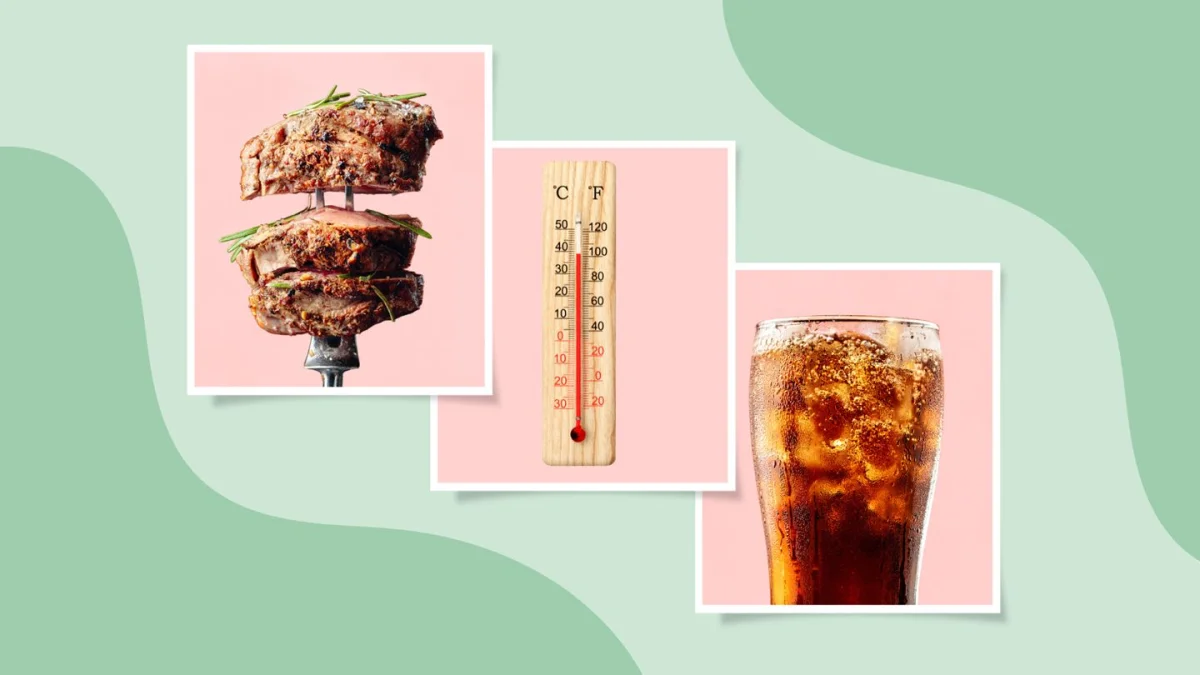
Gout flares can disrupt ordinary activities with sudden, intense joint pain, swelling and warmth that may last a week or two. They occur when urate crystals build up in and around joints, often the big toe or knee, and prompt an inflammatory response. A trigger may help explain why a flare happened, but it doesn’t tell the whole story: triggers vary between people, and sometimes none is apparent.
Recognizing possible patterns can make conversations with a healthcare professional more useful. The factors below may contribute to flares, often in combination. They don’t establish a personal cause or replace a treatment plan.
Food and drink can affect uric acid
1. Purine-rich foods. The body makes uric acid as it breaks down purines, substances found naturally in the body and in some foods. The kidneys normally remove uric acid. A large amount of purine-rich food can temporarily raise levels, which may contribute to crystal formation and a flare.
Animal sources appear more closely linked to gout risk than many plant sources. Multiple servings of red meat or a large amount of seafood or shellfish may be triggers for some people. Beans, peas, spinach and cauliflower also contain purines, but research hasn’t found the same consistent association with increased uric acid for these plant foods. Fiber may be one reason: it could reduce uric acid absorption or help the body eliminate it.
That doesn’t mean everyone with gout needs to avoid every food containing purines. Paying attention to whether a particular food tends to come before flares may help identify a pattern. A clinician quoted in the source recommends limiting a suspected food temporarily while getting gout under better control. With effective treatment, some people may be able to bring foods such as seafood back into their diet.
2. Alcohol. Alcohol can raise uric acid and make it harder for the kidneys to clear it. Beer appears especially problematic, though beer, wine and liquor have all been associated with recurring flares. Heavy drinking or consuming a large amount at once can be a trigger. Even moderate drinking may contribute for some people, particularly alongside another factor such as a purine-rich meal.
The source describes moderation as a practical goal for people who drink, rather than assuming everyone can or should stop abruptly. The amount that may affect an individual varies. A clinician or pharmacist can help discuss how alcohol might fit with a person’s gout management and other health needs.
3. Foods and drinks with added sugar. The evidence is clearest for fructose, especially in sugar-sweetened drinks and products made with high-fructose corn syrup. When the body breaks down fructose, it produces more uric acid. Research has found a dose-related association between sweetened soda consumption and gout risk.
These findings don’t apply equally to all carbohydrates. The source says evidence is stronger for fructose and sweetened beverages than for refined foods such as white bread or white rice. Diet soda hasn’t shown the same association, and sugar naturally present in whole fruit doesn’t appear to carry the same risk as high-fructose corn syrup. Swapping some sweetened drinks for water may be a manageable change; unsweetened coffee and low-fat or skim milk are other options mentioned in the source.
Changes in health, treatment or surroundings
4. Illness, surgery or injury. A serious illness, infection, operation or injury can put physical stress on the body and may precede a flare. Possible contributors include inflammation, dehydration and changes in uric acid levels. These events aren’t always preventable, but it can help for the care team to know that a patient has gout before surgery or during treatment for a serious illness.
The source advises continuing gout medication unless a healthcare professional says otherwise. Anyone facing a procedure or acute illness can ask their care team how to handle their existing treatment and what symptoms to report.
5. Certain medicines and changes to gout treatment. Diuretics, which help the body remove excess fluid, low-dose aspirin and some immunosuppressants may raise uric acid or make it harder for the kidneys to clear it. Prescribed medicines that lower uric acid, including allopurinol, febuxostat and benzbromarone, can also be followed by flares when treatment starts. As uric acid levels fall, existing crystal deposits may shift and provoke inflammation.
Clinicians may prescribe an anti-inflammatory medicine, such as colchicine or naproxen, for a period when uric acid-lowering treatment begins to reduce this early flare risk. The source says this may last at least three to six months, depending on the plan. Stopping uric acid-lowering treatment or preventive anti-inflammatory medicine can also increase flare risk. Don’t stop or change a prescribed medicine without discussing it with the prescriber. If flares occur after a treatment change, a clinician can review the plan.
6. Dehydration. With too little fluid in the body, uric acid may become more concentrated in the blood and the kidneys may have more difficulty clearing it. Sweating, vomiting and diarrhea can all lead to fluid loss. Hot weather, exercise, illness and alcohol can contribute, so dehydration may overlap with other triggers.
There’s no established daily water target that guarantees prevention of gout flares. Drinking regularly and taking extra care when losing more fluid than usual may be helpful for many people. But more water isn’t right for everyone: people with heart failure, kidney disease or a prescribed fluid limit should follow their clinician’s guidance rather than automatically increasing intake.
7. Temperature changes. Research has linked very hot or cold conditions, as well as sharp shifts in temperature between days, with a higher risk of flares. The reasons aren’t fully understood. Heat may contribute through sweating and dehydration; cold may make uric acid more likely to crystallize in joints.
Weather can’t be controlled, but noticing whether flares coincide with particular conditions may help someone recognize a personal pattern. During hot, cold or dry periods, fluid needs and suitable clothing are practical considerations. The source also suggests avoiding a pileup of possible triggers, such as heavy alcohol intake alongside a large purine-rich meal.
Longer-term patterns matter too
8. Weight gain. Weight gain over time may raise uric acid levels and make gout harder to manage. One possible link is insulin resistance, in which the body responds less effectively to insulin. This can affect how the kidneys remove uric acid, leaving more in the blood.
For people with gout who are overweight or have obesity, weight loss is part of the management approach described in the source. The cited research suggests that a BMI decrease of more than 5 percent is associated with 40 percent lower odds of recurrent flares. That finding doesn’t define a suitable goal or method for every person, and it doesn’t show that weight change alone will prevent flares. A healthcare professional can help discuss manageable changes in the context of a person’s overall health.
These eight factors offer clues, not a checklist that predicts every flare. Keeping track of symptoms and circumstances around them may help a clinician assess patterns, medicines and treatment options. If a flare follows a medication change, illness or procedure, or if fluid intake is complicated by another health condition, discussing it with a doctor or pharmacist can help tailor the next steps.