Ilona Maher Balances Rugby Training With a Growing Public Profile
The Olympic rugby player is training toward 2028 while hoping more fans can watch the sport and more girls feel welcome in fitness.
Ilona Maher’s growing public profile gives her a way to introduce new audiences to rugby and strength training. Her account also points to a practical challenge: fans may be interested in a player, but limited chances to watch her team make it hard to follow the sport.
Maher, a bronze medalist with the USA women’s rugby team at the 2024 Paris Olympics, says her personality hasn’t changed with her visibility. Since the Games, she has appeared on the cover of Sports Illustrated, competed on Dancing with the Stars, started a podcast and worked with brands including Maybelline New York, Adidas and Burn Boot Camp.
Those opportunities bring attention beyond rugby. But Maher says that attention doesn’t automatically translate into regular viewership, because her matches can be difficult for fans in the United States to access or watch at convenient times.
Interest in a player needs a path to the sport
Maher says she isn’t frustrated when supporters don’t follow her matches. In her view, the sport needs more opportunities for people to watch before they can become regular fans. Her schedule can take her to places such as South Africa and Perth, where the time difference may mean a very early start for viewers back home.
That gap matters for a sport trying to build a wider audience. A prominent athlete can draw people’s attention, but following a team usually depends on being able to find games and watch them consistently. Maher has said she wants more matches available on home soil, where supporters can attend in person as well as watch from home.
Her profile has been credited with helping bring attention to rugby and supporting ticket sales. Still, visibility alone cannot solve the access problem she describes. The next step for the sport, in her telling, is making it easier for interested viewers to see more than a brief stretch of one match.
Training remains the fixed point in a crowded schedule
Maher is training with the 2028 Los Angeles Games in mind. She says her other commitments have to fit around the demands of preparing with Team USA. Her days can include team meetings, rehabilitation and stretching, alongside field sessions and gym work.
Her reported training week is demanding: two on-field sessions a day, a gym workout that may include speed and skills work, and as much as about 20,000 steps of running. She also does weight training four days a week, with an emphasis on explosive movements. Time away from the gym is used for recovery and preparation for the next cycle.
That workload is specific to her role as a professional athlete and shouldn’t be treated as a general fitness plan. Training volume and recovery needs vary by person, goals and health. For anyone considering a major change in exercise, a clinician or qualified exercise professional can help account for injuries, health conditions and current fitness.
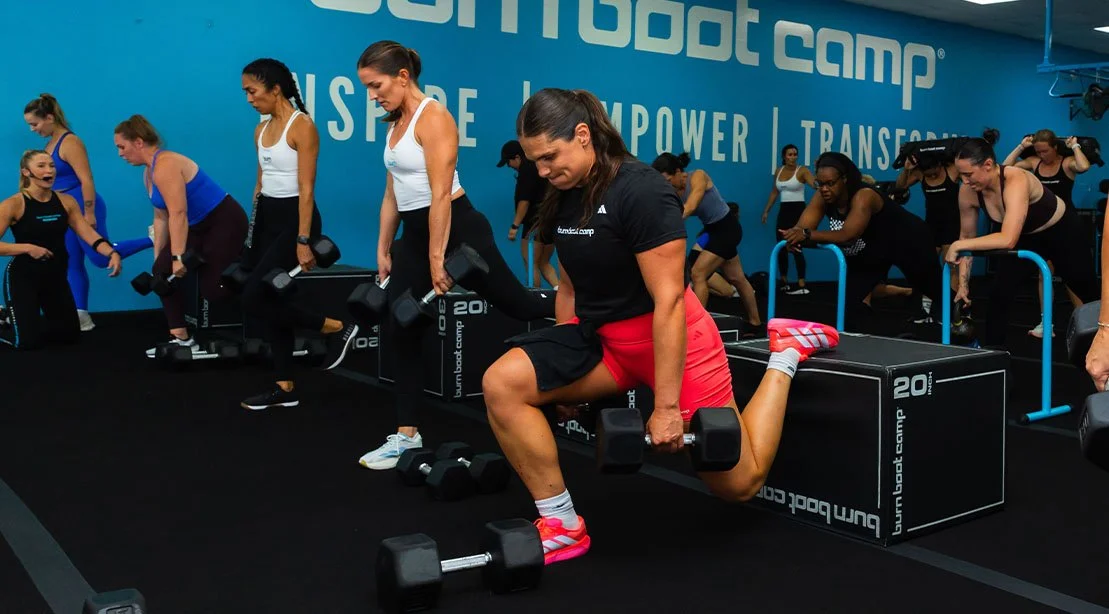
In the weight room, Maher enjoys testing her strength through movements such as squats, bench presses and dumbbell incline presses. She describes the appeal as seeing whether she can manage a little more weight. That enthusiasm sits alongside the structured training and recovery that her sport requires; her account doesn’t suggest that people need to lift heavily to benefit from exercise.
Visibility can make strength training feel more approachable
Maher says she tries to keep pace with her teammates rather than take an easier route while they train. At the same time, she needs to make room for her podcast and speaking work, which help support her livelihood. With a packed calendar, she turns down some invitations and chooses which commitments fit around training.
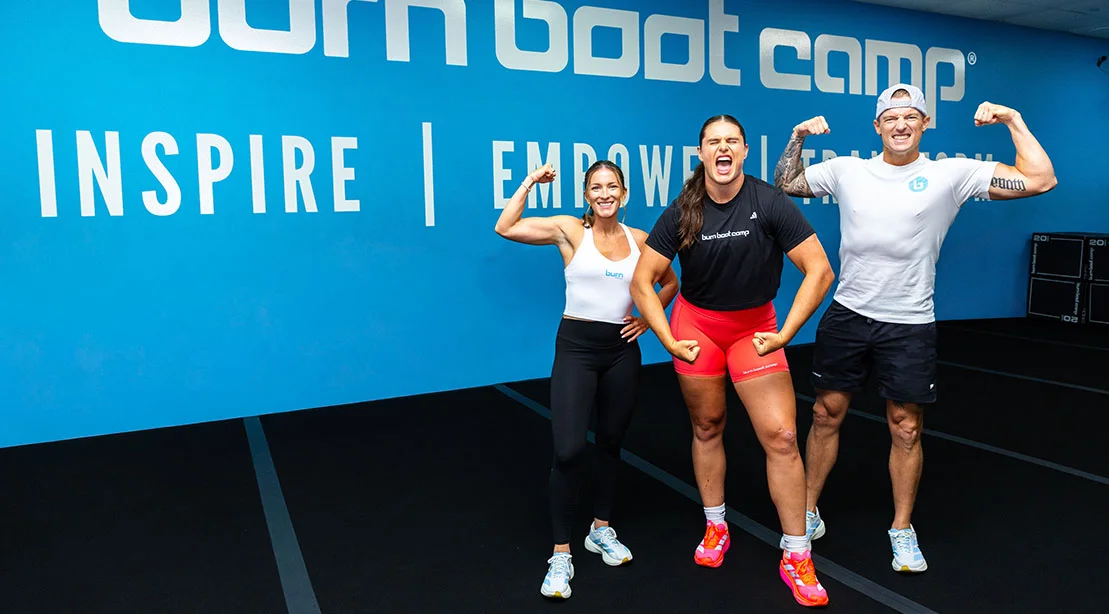
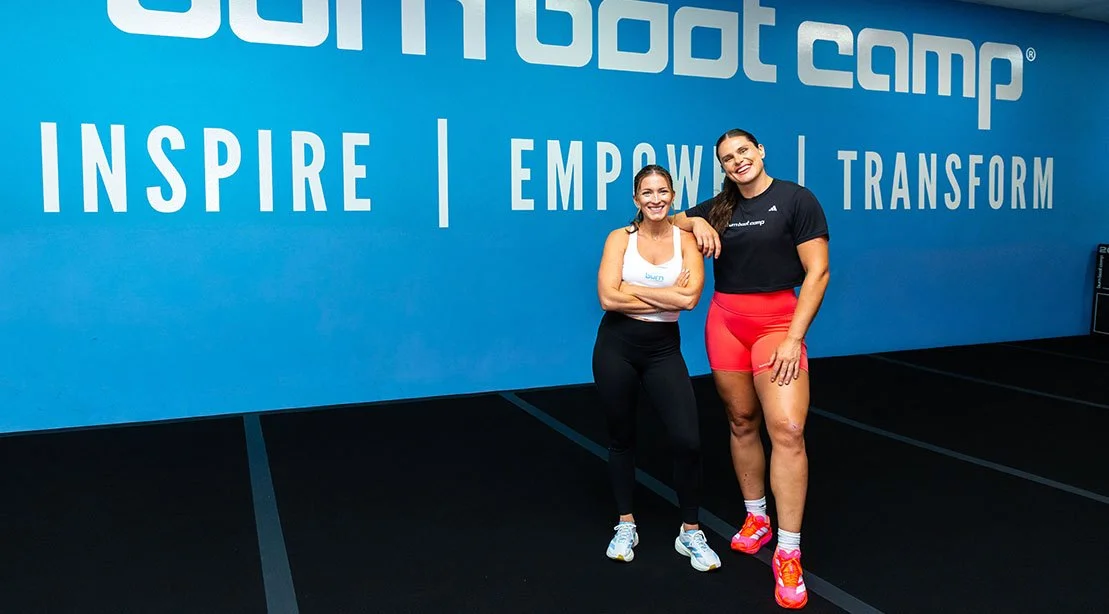
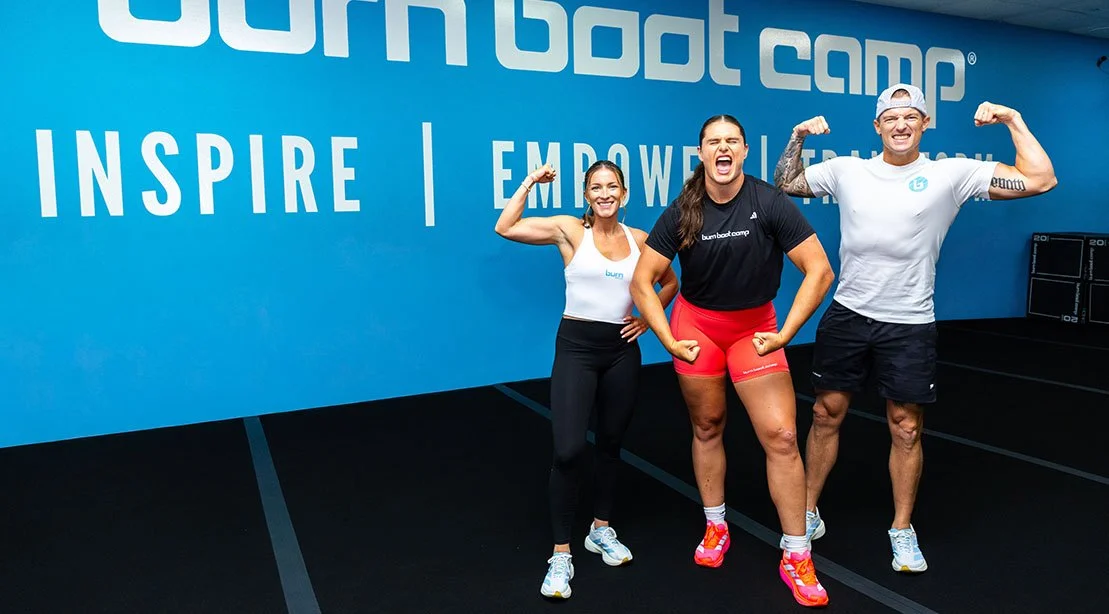
Her work with Burn Boot Camp reflects another part of her public role: encouraging girls and women who want to become stronger but feel uncertain about entering a gym. Maher says the group setting and supportive energy of the classes appealed to her. She has heard from girls who want to build strength but don’t know where to begin or feel intimidated.
That experience highlights how social support can shape whether exercise feels accessible. A welcoming class or a trusted training partner may help someone feel more comfortable taking a first step, though no single setting suits everyone. People can look for activities and levels of instruction that feel manageable, and ask a health professional for guidance when medical concerns or persistent pain affect exercise.
Maher’s story links individual visibility with two broader needs: more reliable ways to follow women’s rugby and more inviting places for girls to explore strength training. As she works toward 2028, her schedule shows how much preparation elite sport requires; her message to prospective gym-goers is simpler—feeling strong can begin in a community where people support one another.