Prescott Junior High’s Fitness Program Builds Student Goals Across Generations
A decades-old physical education program uses progressive challenges and student recognition to make fitness a lasting part of school and community life.
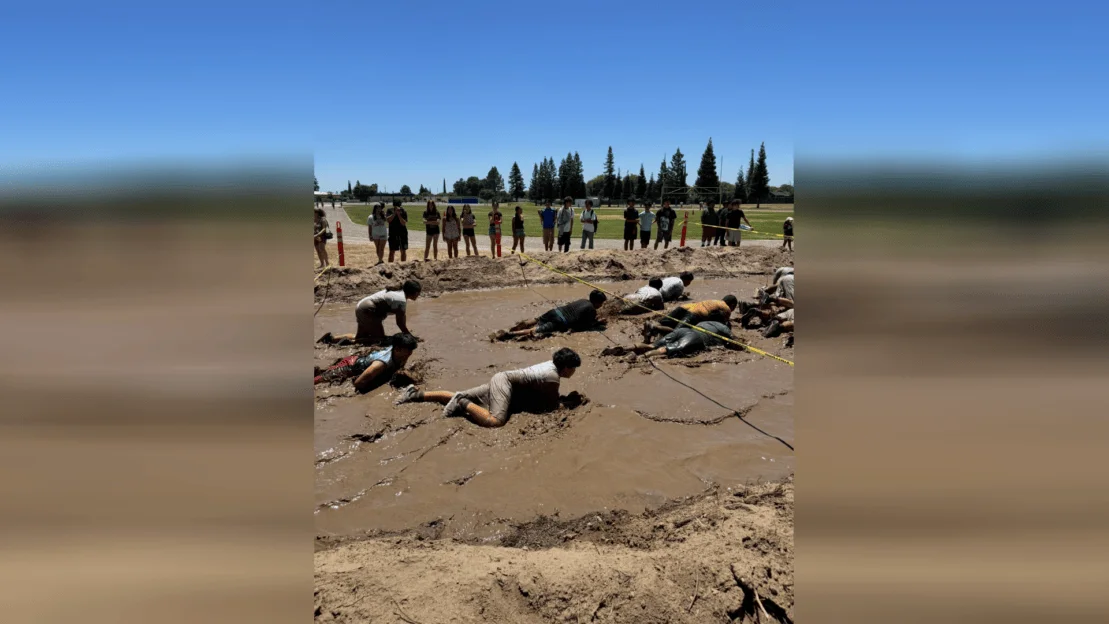
Prescott Junior High’s physical education program has made fitness a shared school tradition for decades. Its approach pairs a demanding series of physical tests with visible milestones, giving students a way to track progress and set new goals. Teachers Jason Avelar and Garrett Beal say the program’s influence reaches beyond the gym: former students still talk about it years later, and some return to teach.
The program is also a useful example of how physical education can create structure around effort. Students begin at the same starting point, work through a range of tests and earn recognition as they meet increasingly difficult standards. That design gives students more than a score. It gives them a clear next step, while leaving room for individual progress.
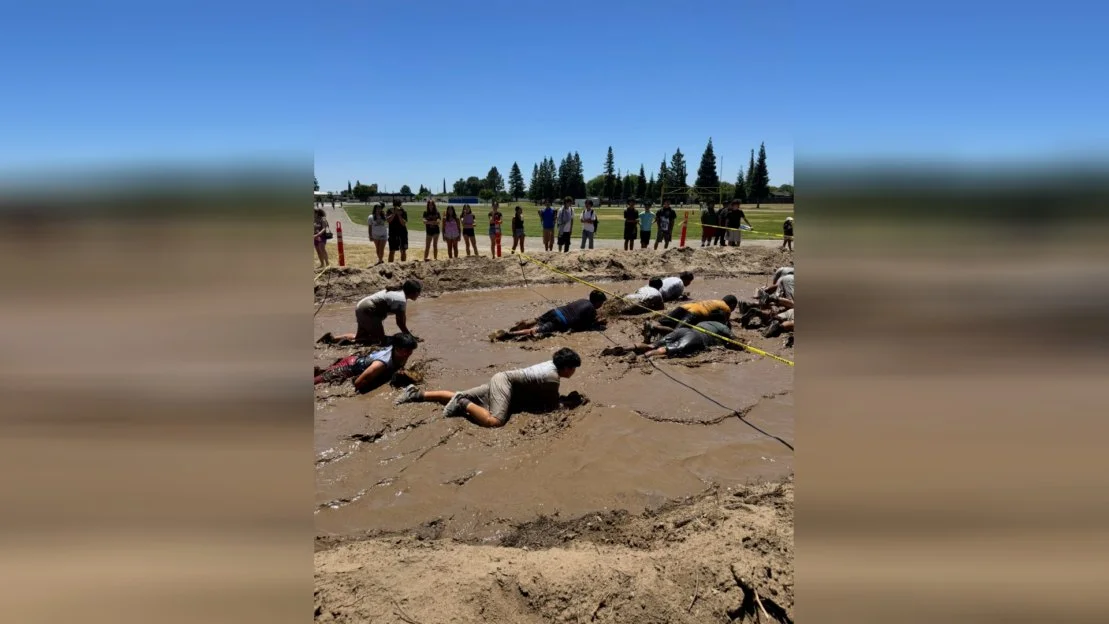
A program shaped by decades of teaching
Prescott’s fitness curriculum grew from a model associated with La Sierra High School’s physical education program. In 1973, Prescott teacher Mark Wilson saw a demonstration of an intensive fitness curriculum and developed his own version for students. The program has continued through successive generations of teachers and pupils.
Avelar and Beal now teach in a program whose expectations and routines were established long before they arrived. Both describe physical activity as part of their own backgrounds. Beal played sports as a child, but said a high school wrestling coach introduced him to strength training and helped him see how strength could support athletic performance. “I fell in love even more with fitness than wrestling,” he said.
Avelar became interested in strength training while playing high school football. He also found that he enjoyed taking responsibility as a linebacker. Coaches and teachers encouraged him to consider teaching, a suggestion that helped shape his path into physical education.
Milestones give students a visible path
The program uses 20 fitness tests and a color system to recognize progress. Students begin with zero points and white trunks. Each test can earn one, two or four points, depending on performance. At 60 points, students move to red trunks, and their score resets because the next level brings harder challenges. Reaching 60 points again earns blue trunks. Gold and purple levels recognize further achievement.
That reset is a central feature of the system: reaching a milestone marks progress, but it also introduces a new target. “The tests at that point get very challenging,” Avelar said. Students who progress beyond the purple level can choose custom trunks. The school also recognizes achievement through a physical education Hall of Fame. Avelar recalled one student reaching the purple standard early enough that the teachers created a further level for her.
High standards can feel demanding, but Avelar and Beal say students often rise to them or come closer than they might have if the targets were lower. The program’s structure makes improvement visible, while the different stages offer students more than one opportunity to build confidence through effort.
The source article describes striking performances by individual students, including a two-mile run completed in 12 minutes and 27 seconds, more than 6,000 continuous sit-ups by one student, and reports of multiple students completing more than 1,000 consecutive push-ups. Those examples show what some students have achieved within the program; they do not establish what every student can or should do. Physical ability and progress vary, and a school fitness curriculum needs to account for students’ differing starting points.
School ties can last well beyond graduation
The program has become familiar to families in Modesto, where Prescott is located. Beal said people sometimes recognize his school shirt around town and tell him they attended Prescott. A conversation at a book club connected him with a former student’s family through a name on the school’s Hall of Fame wall.
That long reach is also reflected in the school’s staff: some teachers at Prescott once attended the school themselves. Avelar and Beal say they try to model the habits they teach by making their own wellness a priority. They also observe that students may appreciate the program more after leaving, especially when their next school’s physical education experience differs.
“As they leave, they realize ‘Oh crap, this is a super special place,’” Avelar said. For him, seeing students meet goals, attempt something new and feel excited about their progress is a lasting part of the work. Beal likewise called Prescott a special place to teach.
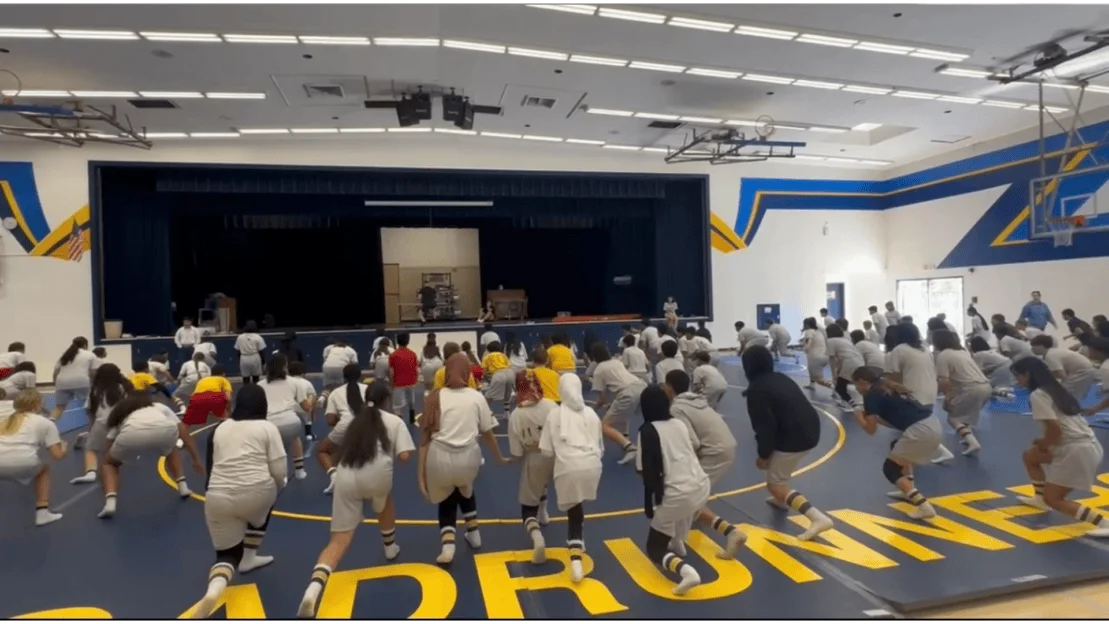
What the approach may offer other schools
Prescott’s experience suggests that a physical education program can make participation meaningful by combining consistent expectations, gradual steps and recognition. A color-coded system is one way to show progress; the broader idea is to help students understand what they are working toward and acknowledge effort along the way. Teachers also need to tailor challenges to students’ abilities and make room for progress that may not fit a single performance standard.
Avelar and Beal welcome renewed attention to student fitness and hope it encourages other schools to build engaging programs. The source article also describes a school innovation challenge focused on models that encourage student participation, teamwork and enthusiasm for a fitness test. It gives no estimate of how many schools may take part, so the challenge’s eventual reach is not yet clear.
For families, the practical takeaway is that school fitness can shape how young people think about movement, achievement and shared effort. Prescott’s history shows the value its teachers place on sustained engagement, while its demanding examples should be understood as individual accomplishments rather than universal benchmarks. Its lasting test may be whether students carry an interest in staying active with them after they leave the gym.
Read more about fitness and community.
Information about the fitness test and school challenge is available at fitness.gov. Prescott’s program shares updates on Instagram at @prescott_standard.


