GLP-1 Microdosing: Potential Benefits, Risks and Evidence Gaps
Smaller GLP-1 doses may help some people manage side effects, but evidence is limited and dose changes need a clinician’s guidance.
Taking less than the recommended dose of a GLP-1 medication may help some people manage side effects or adjust treatment more gradually. But microdosing remains an off-label approach with limited research, and the right amount depends on the person and the medication. The evidence doesn’t establish that it’s safe or effective for long-term weight management, longevity, or other uses promoted online.
Here, microdosing means taking a smaller dose of semaglutide (Ozempic or Wegovy), tirzepatide (Mounjaro or Zepbound), or orforglipron (Foundayo) than the product’s prescribing instructions recommend. Some clinicians, including Beverly Tchang, MD, an endocrinologist and obesity specialist at NewYork-Presbyterian and Weill Cornell Medicine, use smaller doses with selected patients. Her view is that the approach can be useful when it’s planned and monitored by a clinician. That’s different from changing doses independently based on online advice.
Why some patients consider smaller doses
Digestive symptoms such as nausea, diarrhea, and vomiting can occur with GLP-1 medications. For some people, symptoms become more difficult when the dose increases. A slower increase, using an amount between standard dose steps, may help balance tolerability with treatment goals. Tchang describes discussing an intermediate amount when a patient is wary of moving directly from 0.25 to 0.5 milligrams of semaglutide. Some patients may also have trouble tolerating the usual starting amount, while others may not need a higher dose to meet their goals.
That possibility doesn’t mean smaller doses have been shown in large clinical trials to prevent symptoms or produce the same results as standard dose schedules. A recent review found that some real-world data and small studies report improvements in body weight or blood sugar with lower or less frequent doses. The review’s authors called for more clinical trials to confirm those findings and compare the benefits and risks with standard use.
Katherine Saunders, MD, an obesity physician at Weill Cornell Medicine and cofounder of FlyteHealth, says a lower starting amount followed by slower increases might help some people stay on treatment if side effects would otherwise lead them to stop. Whether this strategy works well over the long term remains uncertain.
Supply interruptions have also prompted some patients to try to make medication last. A person taking a higher semaglutide dose may worry that a gap in access will mean restarting at the lowest dose. Saunders says that, when a supply shortage prevents someone from getting their usual medication, staying at a dose they can obtain may be preferable to stopping altogether. A clinician or pharmacist can help explain what options fit a particular prescription.
Some people also try to stretch a prescription to reduce costs. But Tchang notes that semaglutide pens are meant to be discarded 56 days after first use, even if medication remains and the pen has been refrigerated. Using a pen beyond that period conflicts with the product’s instructions. A lower dose or a different prescription should be discussed with the prescribing clinician rather than worked out independently.
Weight maintenance is another reason some people reduce their dose after reaching a weight goal. Saunders cautions that substantially lowering the amount without clinical guidance could raise the chance of regaining weight. Appetite and weight can change as treatment changes, so a maintenance plan is best discussed with the clinician who knows the patient’s health history and treatment goals.
Other claims are less established. Some compounders promote small GLP-1 doses for longevity or addiction treatment, but evidence for these purposes is not strong enough to support routine use. The benefits and risks for people who aren’t overweight also remain poorly understood. These claims should be treated as experimental, not as proven reasons to take the drugs.
Why the method depends on the product
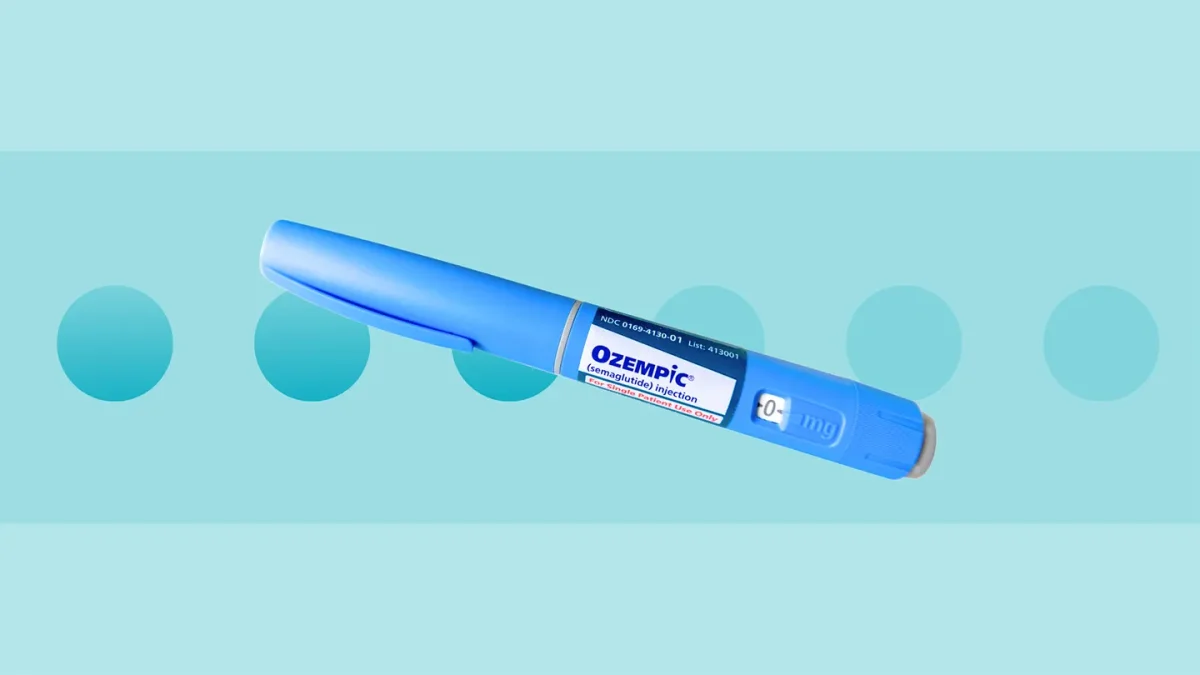
Microdosing methods differ across injection pens, vials, and pills. Certain Ozempic, Wegovy, and Zepbound pens use a dial that clicks as the user selects a dose. People have calculated that one Ozempic pen requires 74 clicks to set a 1-milligram dose; by that calculation, 26 clicks would deliver about 0.35 milligrams. That amount is outside the product’s recommended dosing schedule, and the calculation shouldn’t be treated as a universal guide.
Online videos and community posts share click charts and instructions. Tchang advises against relying on a chart by itself; she says she works through the calculation with patients. Pen designs and dose options can differ, and a mistake may mean receiving more medicine than intended. People who have questions about their device can ask their prescriber or pharmacist to explain it directly.
Many auto-injector pens don’t allow the user to select an in-between amount by counting clicks. Some people try to draw medication from an injector pen into a syringe to make a custom dose, but Tchang doesn’t recommend this technique. It can introduce additional opportunities for dosing errors.
Vials allow medication to be drawn into a marked syringe, which can make measuring a prescribed amount more direct. Compounded GLP-1 medications promoted in small doses are often supplied in vials. Compounded medicines require a prescription, and a clinician may prescribe a dose below the standard schedule. Some products also come in vials: the maker of Zepbound sells vial versions at a reduced price, and the maker of Wegovy announced plans in early 2026 to do the same, alongside lowering the cost of Wegovy pills.
Oral semaglutide adds another consideration. In December 2025, a once-daily Wegovy pill containing 25 milligrams was approved for adults with obesity or weight-related medical problems. It joins a lower-dose oral semaglutide pill previously approved for diabetes treatment. It’s unclear whether compounded microdose pills will become available. One large compounder canceled plans to make an off-brand semaglutide pill after pressure from the medicine’s maker and the agency overseeing its approval. The Wegovy pill maker advises patients not to crush, cut, chew, or dissolve the pill.
What the evidence can and can’t tell us
Microdosing is experimental, and its risks can increase when people adjust a dose without a clinician’s help. Tchang describes it as an off-label strategy requiring instructions tailored to the patient. A dosing error could expose someone to a much larger amount than intended. The chance of error may be greater when people rely on social media instructions or try to modify a device in a way it wasn’t designed to support.
Saunders is also concerned about use for speculative purposes or through less reputable online compounding services. Promotional images and claims don’t establish that a medication is appropriate for a particular person. In the meantime, experts advise against using GLP-1 drugs for unproven purposes, even at small doses. These are potent medicines that need to be prescribed and managed by trained clinicians.
The practical takeaway is that smaller doses may be part of a clinician-guided plan for side effects, gradual dose increases, or treatment access concerns. They haven’t been tested well enough to establish a general microdosing schedule, and results from small studies can’t settle questions about long-term safety or effectiveness. Anyone considering a dose change, struggling with side effects, or facing a supply gap can discuss their options with the prescribing clinician or pharmacist before adjusting treatment.