Six Evidence-Informed Ways to Help Protect Your Hearing
Noise protection, quieter listening and routine care may help reduce hearing risks, though these steps can’t prevent every cause of hearing loss.
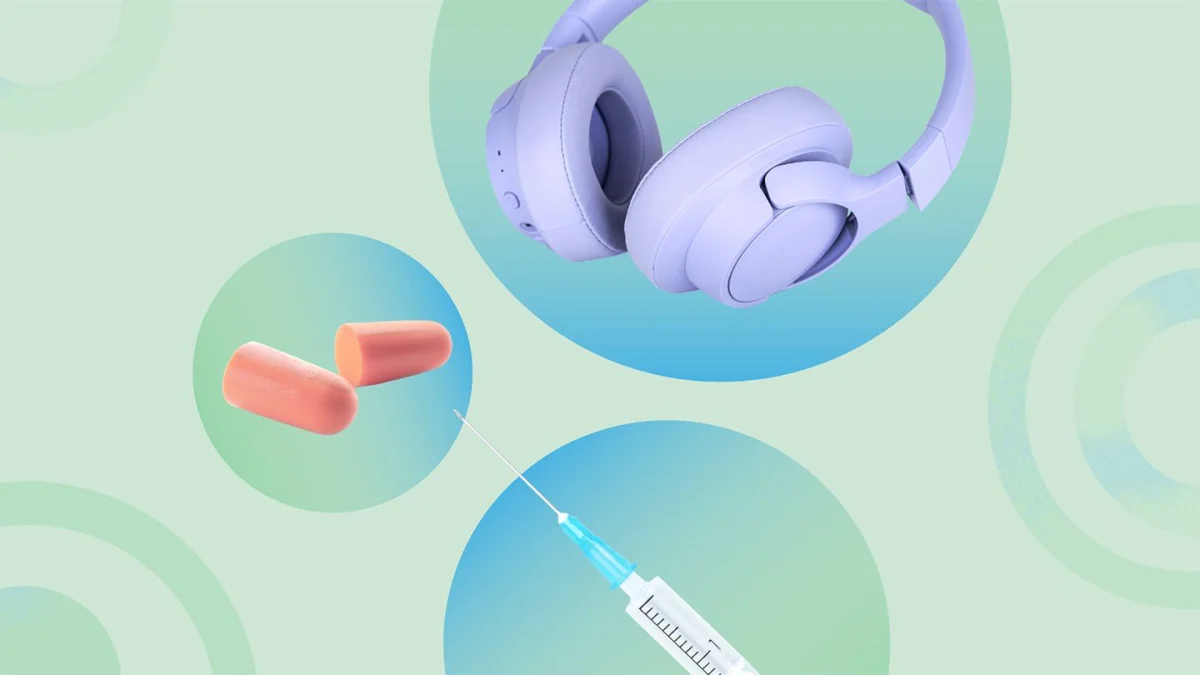
Hearing protection is most useful before a change becomes noticeable. Some causes of hearing loss can’t be prevented, but limiting loud sound and keeping up with general health care may reduce certain risks. The six approaches below draw on research and expert comments in the source; the strength of evidence differs across them, and none guarantees that hearing will remain unchanged.
Reduce exposure to loud sound
Earplugs can lower the sound reaching the inner ear, where delicate hair cells help convert sound into signals the brain can interpret. Once these cells are damaged, they don’t grow back, so repeated loud exposure can have lasting effects. The source cites a recommendation to use earplugs when sound exceeds 85 decibels, including at concerts or around loud equipment such as lawn mowers and leaf blowers.
Keeping earplugs in a bag, car or on a keychain can make them easier to use when a noisy setting comes up unexpectedly. Their practical value depends on having them available and wearing them in the situations where sound levels are high. They’re one part of reducing exposure, rather than a way to make any loud environment risk-free.
Give your ears a break from headphones
Headphones and earbuds can deliver sound directly to the ear, and listening at high volume or for long stretches can add to noise exposure. The Hearing Health Foundation’s 60/60 guideline, cited in the source, suggests listening below 60 percent of a device’s maximum volume for up to 60 minutes at a time, then taking a five- to 10-minute break in quiet.
This is a general guideline, not a measurement of a safe level for every device or listener. Volume settings don’t always correspond to the same sound level across products, and exposure also depends on how long someone listens. Regular breaks can help limit cumulative exposure and give the auditory system time away from sound.
Build physical activity into daily life
Research has linked regular exercise with lower rates of hearing loss among older adults. One study described in the source found lower rates among seniors who exercised at least three hours a week than among those who did no exercise. That finding is an association; it doesn’t establish that exercise alone prevented hearing loss or that the same effect applies to everyone.
Elizabeth Helzner, an epidemiology and biostatistics professor at SUNY Downstate Health Sciences University, says exercise may help blood vessels supplying the inner ear widen, allowing more blood to reach its hair cells. She also points to a possible role in reducing inflammation over time. Walking, swimming, cycling, hiking and muscle-strengthening activities are examples in the source. Even brief activity can contribute to fitness, though the article doesn’t establish a specific amount that protects hearing.
Consider smoking’s effects on hearing
Smoking can narrow blood vessels and reduce the flow of oxygen-rich blood to the inner ear, Helzner says. Over time, that may harm the hair cells involved in hearing. The source describes a relationship between longer smoking duration and a greater likelihood of hearing loss later in life. This does not mean every person who smokes will experience hearing loss, but it adds to the reasons to discuss smoking cessation with a healthcare professional.
Helzner says quitting may slow the progression of hearing loss. Because damaged inner-ear hair cells do not regenerate, stopping smoking can’t be presented as a way to restore hearing that has already been lost. People who want help quitting can ask a clinician or pharmacist about support options suited to their health and circumstances.
Review vaccination with a healthcare professional
Some viral infections can affect parts of the auditory system, and vaccination against certain infections may reduce the risk of related hearing complications. The source names measles, mumps and rubella as infectious causes of hearing loss discussed in a research review. It also notes that shingles can affect nerves in the ear and sometimes lead to permanent hearing loss, and that flu-related complications may affect hearing.
Vaccination history and recommendations vary by person. Rather than assuming a particular vaccine is appropriate, people can review their records with a healthcare provider and ask whether any routine vaccines or boosters are due. This is especially relevant for anyone unsure about childhood vaccination or considering a shingles vaccine.
Track changes with hearing checks
A hearing evaluation can help establish a baseline and identify changes over time. Tests commonly use tones at different pitches to assess whether hearing loss is present and how much. Rachel Artsma, a lead audiologist at Hear.com, says regular checks can help identify changes before they substantially affect communication, relationships or quality of life. The source describes annual checkups as an expert recommendation; individual screening schedules may depend on a person’s situation.
People who notice difficulty hearing in one or both ears can discuss it with a medical professional. An audiologist can carry out a more complete evaluation and discuss options, including hearing aids or other treatments when appropriate. Hearing loss may develop gradually, so a check can be useful even when the change is hard to pinpoint.
Act on changes, even when they seem subtle
Untreated hearing loss has been associated with concerns including loneliness, depression and cognitive decline, according to research cited in the source. Those associations don’t show that hearing loss directly causes every outcome, but they underscore why changes deserve attention. A practical approach is to limit avoidable noise, take breaks from personal audio, and bring questions about hearing, smoking or vaccination to a healthcare professional. These steps may help protect hearing, while regular assessment can clarify whether a change has occurred.


