Pancreatic Cancer Pain: Medicines, Procedures and Supportive Care
Pancreatic cancer pain can have several causes. A care team can match medicines, procedures and supportive therapies to symptoms and changing needs.
Pancreatic cancer pain can have several causes at once, so managing it often means combining approaches and adjusting them as symptoms change. Treatment may ease pain and help people stay active, even when it can’t remove the discomfort entirely. A care team can assess what may be driving pain, discuss options and revisit the plan over time.
Starting that conversation early can help. Pain may respond better when addressed before it becomes severe, and describing it clearly gives clinicians useful information. A pain journal can help: note where the pain is, how intense it feels, whether it’s sharp, dull, throbbing or aching, and whether it comes and goes or stays constant. Record when it’s worst, what was happening beforehand, and what seems to worsen or ease it. Eating, for example, may be relevant for some people.
Why pain can develop
The pancreas lies near the stomach, intestines, nerves and major blood vessels. As a tumor grows, it may press on or involve nearby nerves, causing abdominal or back pain. Pain doesn’t always have a single clear source, and several problems may contribute at the same time.
A tumor can block the pancreatic duct, which carries digestive fluid, or the bile duct, which carries bile from the liver to the small intestine. A blocked bile duct may also lead to infection. Pressure on the intestines can cause a partial or complete blockage. Reduced pancreatic enzyme production may interfere with digestion, contributing to bloating, gas pain and cramps. Pressure on nearby blood vessels can interrupt blood flow and cause pain as well.
Treatment effects, including those associated with chemotherapy, radiation or surgery, may also be part of the picture. Cancer that has spread to places such as the liver, lungs or the lining of the abdomen can cause pain through pressure, inflammation or nerve compression, though spread to another area doesn’t always hurt.
Medicines can be tailored to the type of pain
There isn’t one pain medicine that suits everyone. Clinicians consider the pain’s severity, type and location, as well as how symptoms change over time. The plan may include more than one medicine or route of delivery.
For mild to moderate pain, a clinician may discuss nonprescription options such as acetaminophen, ibuprofen or aspirin. Use over a long period can carry risks: acetaminophen can harm the liver, while ibuprofen and aspirin can affect the kidneys or irritate the stomach, potentially causing pain or ulcers. The appropriate choice depends on a person’s health and other treatments, so it’s sensible to review regular use with a clinician or pharmacist.
Opioids may be used for moderate to severe pain. Options include fentanyl, tramadol, hydrocodone combined with acetaminophen, oxycodone, morphine, methadone and buprenorphine. They can be taken as pills or liquids, by injection, or through a skin patch that releases medicine gradually. Possible side effects include constipation, nausea, itching and drowsiness. Changes in breathing after taking an opioid need prompt attention from the care team.
Some people with pancreatic cancer have digestive symptoms or difficulty absorbing medicines through the gut. In those cases, a clinician may consider a patch for a long-acting medicine because it bypasses the digestive system. Buprenorphine may also be given under the tongue or against the cheek in certain forms. The route and medicine need to be selected with the care team.
When pain has a nerve-related component, clinicians may consider medicines such as amitriptyline, nortriptyline, gabapentin, phenytoin, venlafaxine or duloxetine. Some antidepressants used for nerve pain may involve fewer pills than some anti-seizure medicines, which can matter when a treatment plan already includes many medications. Side effects can include sleepiness, nausea, dizziness, dry mouth, headache and constipation.
Steroids can reduce inflammation and may ease pain caused by pressure and swelling around a tumor. Prednisone is taken by mouth; dexamethasone may be given through an IV. Long-term use can cause problems such as high blood sugar, insomnia, weaker bones, stomach ulcers and reduced immune function, so their use needs medical oversight.
Procedures and cancer treatment may also help
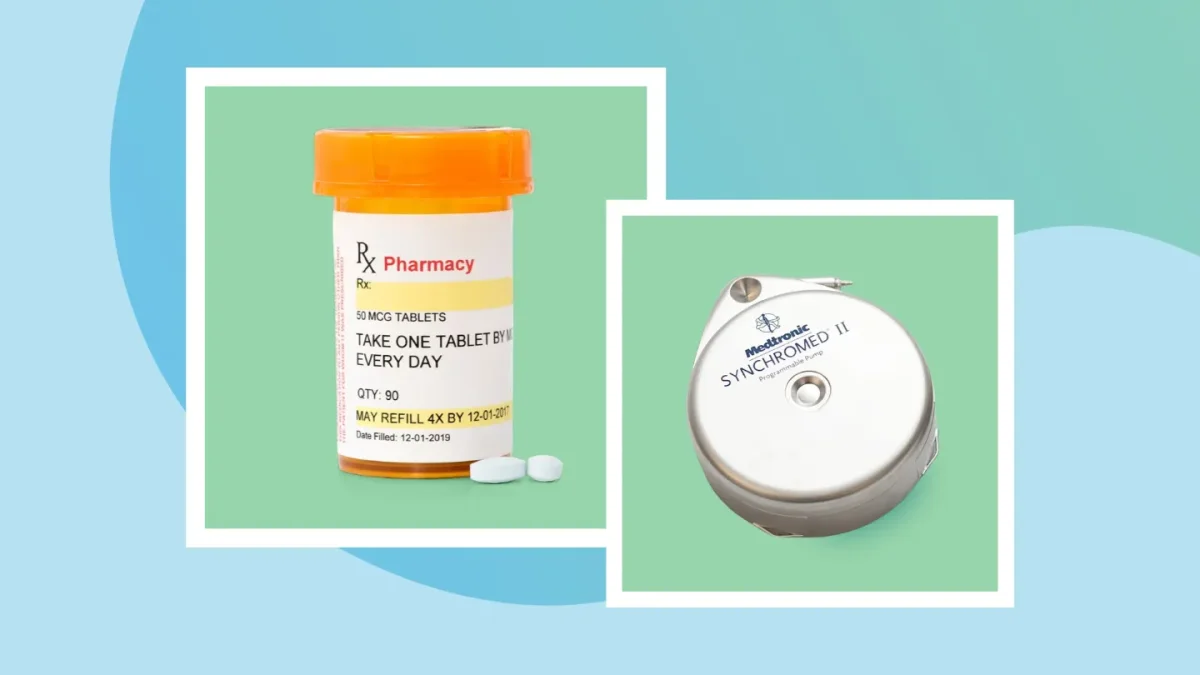
For severe pain that remains difficult to control with medicines, a clinician may discuss an intrathecal drug delivery system. A surgically placed catheter carries pain medicine into the fluid around the spinal cord and connects to a pump under the skin. This route may require less opioid medicine than delivery by mouth or IV. Bleeding and infection at the surgical site are among its most common risks.
Other procedures address specific sources of discomfort. A celiac plexus block delivers numbing medicine near nerves involved in pain; in some cases, a medicine that damages the pain-carrying nerves may also be used. When cancer blocks the pancreatic or bile duct, a clinician may place a stent to keep the duct open. Stent placement is generally an outpatient procedure, so many people go home the same day.
Chemotherapy may reduce pain if shrinking the tumor relieves pressure. Radiation can also shrink cancer and ease pressure on nerves and nearby tissues. High-intensity focused ultrasound uses ultrasound waves to damage cancer tissue, shrink painful nerves and block pain signals. Prescribed pancreatic enzyme supplements may improve digestion and lessen pain linked to poor enzyme production. Whether any of these approaches fits depends on the source of symptoms and the person’s treatment plan.
Supportive options can complement medicines
Some nonmedicine approaches may help with comfort. Heat may ease abdominal cramps and spasms, while cold packs can reduce swelling, inflammation and pain. Relaxation practices such as massage, music, meditation or yoga may help people manage the experience of pain. Acupuncture uses thin needles at specific points; it may affect the body’s handling of pain signals. A wearable transcutaneous electrical nerve stimulation device sends mild electrical currents and may provide relief for hours.
Some care teams offer virtual reality sessions, using a headset to provide a calming scene or another distraction. Research suggests virtual reality can lessen pain for many people with cancer, though an individual’s experience may vary. Some patients report that cannabis helps with appetite, sleep or pain. Research on cannabinoids, including cannabidiol, for cancer pain is still developing, so discuss possible benefits and interactions with the care team before considering them.
Emotional distress can affect quality of life and may make pain harder to cope with. Anxiety, depression, irritability, restlessness and trouble sleeping are all useful symptoms to mention. Support may include talking with a mental health professional, medicines for mood or sleep, and local or online support groups. Palliative care can be involved from the beginning of cancer care, alongside other treatment. It can coordinate symptom management and provide nutrition, mental health and other supportive services for patients and families.
When to contact the care team
Keep the care team informed when pain changes or the current plan isn’t helping enough. Contact them promptly about new, sudden, severe pain; inability to pass gas or have a bowel movement; or fever and chills. A journal can help make routine conversations more specific, while sudden changes call for direct contact. The aim is an adaptable plan that reflects the causes of pain, treatment effects and what matters most to the person receiving care.