Fried Foods and Skin Health: What Research Suggests About Acne and Aging
Frequent fried foods may be linked to acne and skin inflammation, but evidence is limited and occasional servings are unlikely to determine skin health.
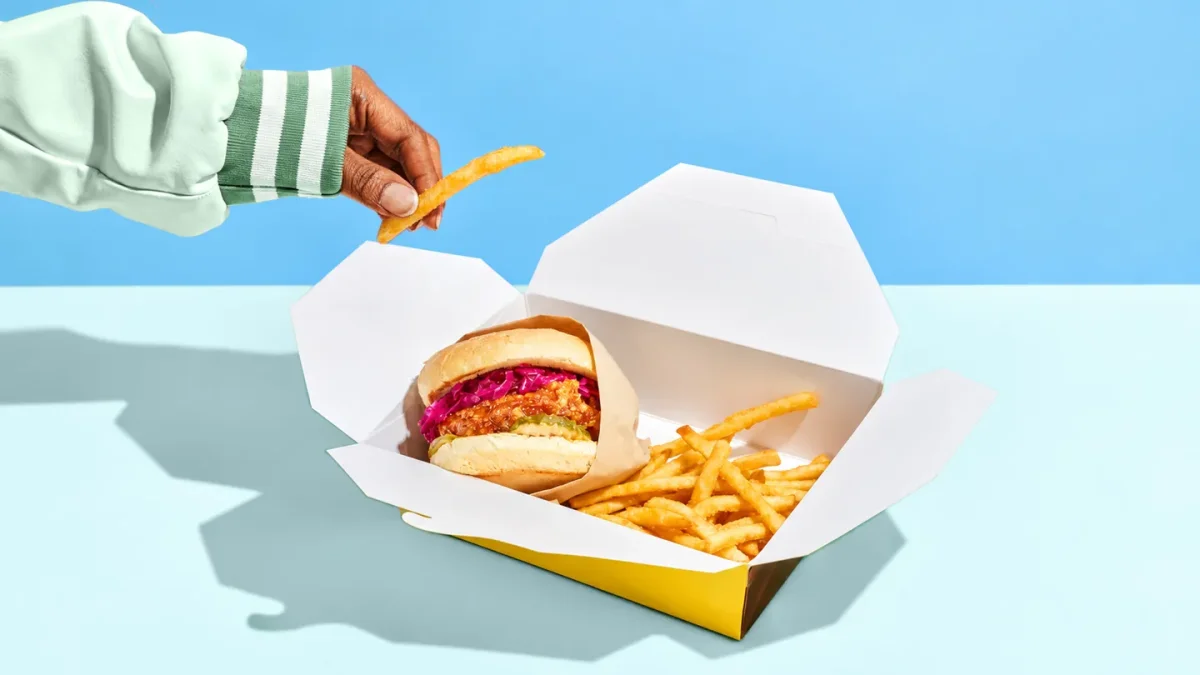
Fried foods may affect skin through several pathways, but the evidence doesn’t show that a single serving causes acne, wrinkles, or a flare of a chronic skin condition. The more useful question is how often fried foods appear in an overall eating pattern—and whether a person notices a repeatable effect on their own skin.
“Our skin is an organ, so it responds to what is happening throughout the body,” says Paula Malhotra, MD, a dermatologist with SKN Institute in Elmhurst, Illinois. She cautions that skin health reflects patterns over time, rather than one meal. Research points to possible links between frequent fried or high-fat foods and some skin concerns, though much of it cannot establish that the foods directly cause them.
Acne links remain uncertain
Deep-frying heats fats enough to break them down and produce compounds that may contribute to oxidative stress. This process involves unstable molecules that can damage cells and promote inflammation. Inflammation is relevant to acne, but a possible biological pathway alone doesn’t prove that eating fried food will trigger breakouts.
One observational study of nearly 2,500 adolescents and adults found that people who ate oily and fried foods more than three times a week had more severe acne than those whose diets included more vegetables. Because the study observed people’s habits rather than assigning them foods, it found an association, not proof of cause and effect. Other factors in participants’ diets or lives could also help explain the difference.
Some fried foods, including doughnuts and french fries, are also high-glycemic carbohydrates: they can raise blood sugar and insulin quickly. Higher insulin levels can stimulate insulin-like growth factor 1 (IGF-1), a hormone linked to cell growth. This pathway may increase activity in oil-producing glands and raise sebum, the skin’s natural oil, which can contribute to acne. Low-glycemic foods such as fruits, vegetables, and minimally processed grains have less effect on blood sugar. Research has linked low-glycemic eating patterns with better insulin sensitivity and lower acne severity, but that does not mean food choices alone explain or control acne.
Possible effects on aging and inflammatory conditions
High-temperature cooking can also produce advanced glycation end products, or AGEs, through a chemical process called the Maillard reaction. AGEs form when sugars react with proteins or fats. They may promote oxidative stress and inflammation, and can bind to collagen and elastin—proteins that help skin stay firm and flexible. Over time, this process may contribute to wrinkles, sagging, dullness, and uneven pigmentation. These mechanisms offer a reason to study the relationship; they don’t show that a particular fried meal will visibly age someone’s skin.
Diet may also play a part in symptoms of eczema and rosacea. Fried and processed foods, along with foods high in refined carbohydrates, sugar, or trans fats, are often part of eating patterns associated with inflammation. In one study of young adults, higher intake of trans and saturated fatty acids was associated with greater susceptibility to eczema. Some research has also linked diets high in fatty foods, including fried foods, with rosacea flare-ups. People who are susceptible may experience flushing, burning, or stinging after certain foods.
Still, triggers vary. Malhotra says individual skin conditions are more complicated than any one food: fried foods may affect some people’s symptoms and have no noticeable effect on others. If a particular food seems to cause repeated flares, a clinician or dermatologist can help assess the pattern and discuss other possible triggers.
Practical ways to keep meals balanced
There’s no need to treat fried foods as an all-or-nothing choice for skin health. Air-frying uses less oil than traditional deep-frying and can reduce calories and some reactions associated with high-heat cooking. Potatoes and sweet potatoes are among the foods that can work well in an air fryer.
Pairing a fried item with vegetables, legumes, or another high-fiber food can make a meal more filling and improve its overall nutritional quality. It doesn’t cancel out the fried food, says Lavanya Kethamukkala, RDN, a registered dietitian in Raleigh, North Carolina. Portion size and frequency also matter: sharing fries, doughnuts, or chicken wings can help keep servings moderate. An occasional order of fries is unlikely to determine skin health; consistently relying on a low-nutrient diet may matter more.
Skin care can support the skin’s defenses, but no topical product can erase the effects of a diet. Malhotra recommends a consistent routine and notes that serums containing vitamin C, vitamin E, or ferulic acid have antioxidant properties. Sunscreen helps protect against oxidative stress and premature skin aging. Anyone considering products for a specific condition or persistent symptoms can ask a dermatologist or pharmacist what may suit their skin.
Greasy food doesn’t travel to the face
Eating greasy food doesn’t send its grease directly to the skin or make the face oily, Malhotra says. The possible connection is indirect: some fried foods are high in refined carbohydrates and may affect insulin and IGF-1, which can influence sebum production. A single burger and fries doesn’t guarantee an immediate breakout. The evidence supports paying attention to overall habits and personal patterns, while keeping expectations modest about what any one food can do.


