Store-Bought Soups: How to Choose Options Lower in Sodium and Saturated Fat
Dietitians favor vegetable, bean and broth-based soups, while some creamy or condensed varieties pack much more sodium or saturated fat.
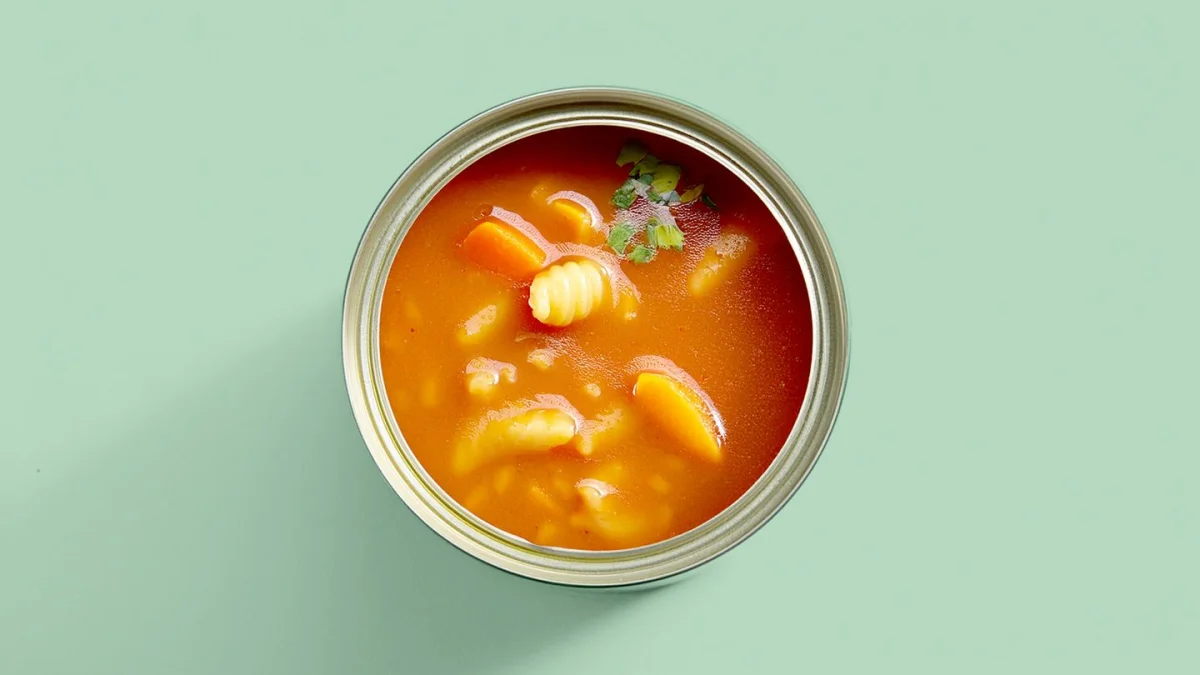
Store-bought soup can bring vegetables, beans, grains and protein to a quick meal. The main trade-off is that some varieties also contain a lot of sodium or saturated fat, and a small serving may provide little protein or fiber. Dietitians recommend checking the label and thinking about what else will make the meal satisfying.
High sodium intake can raise blood pressure and increase the risk of heart and blood vessel disease. Too much saturated fat can raise LDL cholesterol and contribute to health problems including type 2 diabetes and fat buildup in the liver. These are patterns of risk, not reasons to judge a single meal. The nutrition facts can help you compare products and decide how a soup fits into your usual eating habits.
What to look for on the label
Johannah Katz, a registered dietitian who specializes in preventive health, weight management and exercise performance, suggests aiming for about 400 to 500 milligrams of sodium or less per cup, with 300 to 400 milligrams as a preferred range. She advises taking a closer look at soups with 700 to 800 milligrams or more per cup. Serving sizes vary, so check whether the label lists a cup, part of a can or the whole can.
Protein and fiber also help show whether a soup can carry a meal. Katz looks for roughly 15 to 20 grams of protein and 5 grams of fiber in a soup she plans to eat as a full meal. A soup with less than about 10 grams of protein or very little fiber may work better alongside another food, such as beans, chicken, vegetables, fruit or a salad.
Four dietitian-recommended options illustrate how soups can differ. Their nutrition figures below are for the serving sizes stated in the source; compare labels on the packages you find, since products and serving sizes can change.
Four options dietitians recommend
Amy’s Organic Minestrone Soup, Light in Sodium: One can, about 1½ cups, has 190 calories, 5 grams of fat, no saturated fat, 6 grams of protein, 6 grams of fiber and 440 milligrams of sodium. Its ingredients include tomatoes, onions, carrots, potatoes, celery, green beans, peas, beans and pasta. It has 50 percent less sodium than the brand’s regular minestrone, according to the source.
Mackenzie Burgess, a registered dietitian and recipe developer, suggests adding protein to make this vegetable-rich soup more filling. Shredded chicken or white beans are options; a protein-rich sandwich on the side can also round out the meal. Its 6 grams of protein make it less substantial on its own for people seeking a higher-protein meal.
Pacific Foods Organic Chicken and Wild Rice Soup: One can provides 220 calories, 4 grams of fat, 1 gram of saturated fat, 12 grams of protein, 4 grams of fiber and 600 milligrams of sodium. Chicken, wild and brown rice, and vegetables offer a mix of protein, grains and fiber. Katz sees it as a hearty snack rather than a full meal. No-salt-added beans or extra chicken can add protein and fiber; fruit, salad or another vegetable can add variety.
Campbell’s Chunky Healthy Request Old Fashioned Vegetable Beef Soup: Per cup, it has 110 calories, 2 grams of fat, 1 gram of saturated fat, 7 grams of protein, 3 grams of fiber and 410 milligrams of sodium. It includes vegetables such as carrots, green beans, peas, cabbage, tomatoes, celery, corn and potatoes. The same serving has 960 milligrams of potassium, listed as 20 percent of the daily value. Potassium helps regulate blood pressure and supports other body functions.
Ramona Ramdath, a registered dietitian, suggests pairing this soup with a salad and adding a source of protein, such as a three-bean salad or greens with chickpeas or edamame. That combination also brings in vegetables that may not be in the soup.
Old El Paso Chicken Tortilla Soup: One cup has 90 calories, 1 gram of fat, no saturated fat, 6 grams of protein, 5 grams of fiber and 620 milligrams of sodium. Chicken broth, chicken, peppers, tomatoes, corn and black beans supply its main ingredients. Ramdath says the protein is modest, while the vegetables and fiber are positive features. She suggests adding no-salt-added pinto beans or tofu and choosing a side without much added sodium, such as spinach, carrot and zucchini salad with a yogurt dressing.
Four soups to have less often
The dietitians flag four products for their sodium, saturated fat or combination of both. That doesn’t mean someone can never eat them; the figures can help put a serving in context. Katz notes that one serving with 700 to 800 milligrams of sodium can account for roughly a third of the 2,300-milligram daily value. A review and meta-analysis cited in the source found that reducing sodium lowers systolic and diastolic blood pressure and likely reduces major cardiovascular events.
Campbell’s Condensed Chicken Noodle Soup: The listed half-cup serving has 60 calories, 2 grams of fat, 0.5 gram of saturated fat, 3 grams of protein, no fiber and 840 milligrams of sodium. Ramdath points to the combination of high sodium and little fiber or protein. Anyone craving chicken noodle soup could compare lower-sodium versions and add vegetables for a more balanced meal. Because the product is condensed, check the package directions and serving information when comparing it with ready-to-eat soups.
Campbell’s Chunky Old-Fashioned Potato Ham Chowder: Per cup, it has 180 calories, 9 grams of fat, 2 grams of saturated fat, 7 grams of protein, 2 grams of fiber and 790 milligrams of sodium. Katz notes that the full can contains about 1,720 milligrams of sodium, making the amount eaten especially relevant. The American Heart Association recommends getting less than 6 percent of total calories from saturated fat, or about 13 grams or less a day for a 2,000-calorie diet.
Panera Bread New England Clam Chowder: One cup contains 250 calories, 16 grams of fat, 10 grams of saturated fat, 8 grams of protein, 1 gram of fiber and 740 milligrams of sodium. Burgess describes it as an occasional comfort food rather than an everyday choice. Broth- or bean-based soups often offer a different balance of sodium, saturated fat, protein and fiber.
Panera Bread Broccoli Cheddar Soup: Per cup, it has 240 calories, 14 grams of fat, 9 grams of saturated fat, 9 grams of protein, 2 grams of fiber and 990 milligrams of sodium. Broccoli in the name doesn’t tell the whole nutrition story: Katz notes that cream, milk, butter and milk fat contribute to the soup’s saturated fat. The source lists its sodium and saturated fat as 43 percent and 45 percent of their respective daily values.
Making the comparison useful
These examples show why the soup’s name or main ingredient isn’t enough to assess its nutrition. A vegetable soup can still be salty, and a soup with chicken may not provide much protein per serving. Check the serving size, sodium, saturated fat, protein and fiber together, then consider whether a side or addition would make the meal more balanced.
Nutrition needs vary, and people managing blood pressure, cholesterol or another health concern may want tailored advice from a doctor or dietitian. For everyday shopping, comparing labels and pairing a lighter soup with an appropriate source of protein or vegetables can make convenience fit more comfortably into a balanced eating pattern.


