Why People Lie and How to Respond When Trust Is Shaken
Lies can have different motives and effects. These measured steps can help you assess what happened, talk it through and decide what trust requires.
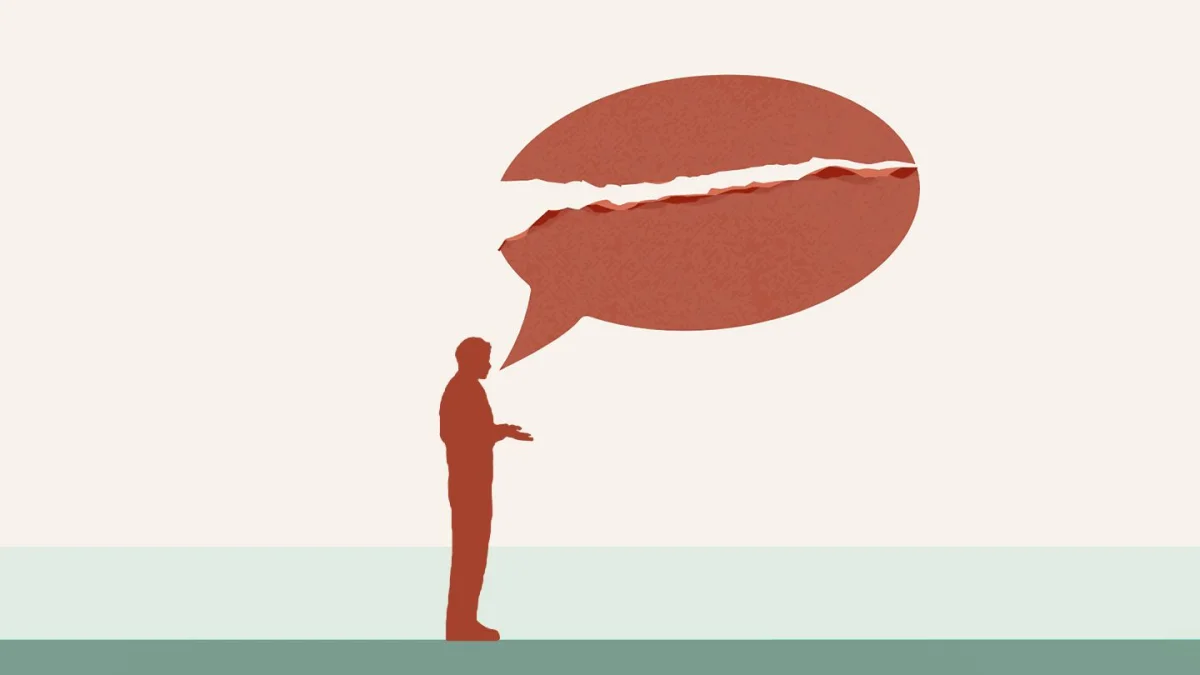
Lying can range from a small attempt to spare someone’s feelings to a serious effort to conceal wrongdoing. That difference matters when deciding how to respond, but intent doesn’t erase the effect: even a well-meant lie can leave someone hurt or unsure what to believe. A careful response starts with the relationship and the evidence, then gives you time to decide what you need.
Why people lie
Therapists describe two broad motives: protecting a relationship and protecting oneself. A person might praise a gift they don’t like to avoid hurting the giver. That kind of “white lie” is generally meant to benefit someone else or preserve goodwill. A self-protective lie, such as inventing a story to hide harmful behavior, serves the liar’s interests and may damage trust.
These categories can help make sense of a situation, but they don’t tell you by themselves what happened or how serious it is. Context matters, and a person’s stated intention is only one part of the picture. As therapist Laura Sgro, LCSW, puts it, intent does not override impact.
Repeated lying is sometimes described as compulsive or pathological. The source article reports a definition of five or more lies a day and estimates that this pattern occurs in 8 to 13 percent of the population. It also notes possible links with personality disorders or a distinct condition. Those claims should be treated cautiously: a reported frequency alone cannot establish a diagnosis, and a reader cannot determine a cause from someone’s behavior. When lying is persistent and affecting daily life or relationships, a qualified mental health professional can help assess the situation.
People who lie may also assume others are lying, which can weaken social connection. Whether or not a lie is discovered, suspicion can make relationships harder to navigate. That’s one reason it helps to focus on what you know and what you need, rather than trying to guess at motives.
Before you raise the issue
Start by considering who the person is to you and how they usually behave. A one-time inconsistency from a supportive friend may call for a different conversation than a pattern of belittling or deception from someone you work with. This isn’t a reason to dismiss your concerns; it’s a way to choose a response that fits the relationship.
It may also help to ask yourself how you tend to respond to difficult truths. If someone expects anger whenever they share unwelcome information, they may become less open. That doesn’t excuse lying, but reflecting on your reactions can show whether the relationship has room for more honest conversations.
Separate what you observed from what you suspect. If someone repeatedly challenges your memory or perception, keeping a private record of events and conversations may help you stay clear about your own perspective. Therapist Sgro recommends documentation as a grounding tool when a person feels their sense of reality is being undermined. A record can help organize your thoughts; it cannot, by itself, prove another person’s intent.
Before speaking with the person, choose the main points you want to communicate and practice saying them. Strong emotions can make it easy to lose focus. A little preparation can help you explain what you learned, how it affected you and what you want to understand.
Having the conversation
If you decide to raise the issue, leave room for a misunderstanding or missing context. Explain what you found and ask for the other person’s account before making a broad accusation. Jordan A. Conrad, PhD, LCSW, a New York City therapist, advises matching the strength of an accusation to the strength of the evidence.
Try to stay steady enough to say what you mean without acting in a way you’ll later regret. Feeling angry or betrayed is understandable, and you deserve space to process those feelings. But if you’re too upset to have a useful conversation, pausing can give you time to collect your thoughts. Writing privately or talking with someone you trust may help.
Boundaries can clarify what you need if the relationship is to continue. They aren’t rules that force another person to behave differently; they set expectations about what you will do if those expectations aren’t respected. For example, you might decide to share less sensitive information or to rely on someone else for a responsibility that requires trust. The specific boundary depends on the situation and what feels workable to you.
Taking time and deciding what comes next
People react differently to deception. A small untruth may cause irritation, while a major omission can shake a person’s sense of security. Give yourself time to sort through the impact. Journaling, spending time on activities you enjoy or trying slow breathing may help you feel more grounded. You don’t have to settle the future of a relationship in one conversation.
A therapist can offer support even if you’re dealing with one particular situation and don’t expect to pursue long-term therapy. If lying has strained a partnership, couples therapy may provide a structured setting to discuss each person’s feelings, needs and expectations, with a professional helping guide the conversation. A clinician can also help you consider your options without deciding for you.
Rebuilding trust takes more than an apology. A person’s willingness to take responsibility and recognize the harm they caused may offer a basis for moving forward, while continued denial or repeated dishonesty may make that harder. You can decide whether to give the relationship time, create distance or change what you rely on the person to do.
Some people may keep lying, and you may not be able to change that. A realistic view of what you can count on from someone can help protect you from future disappointment. The practical question is what level of contact, trust and reliance feels right to you now.