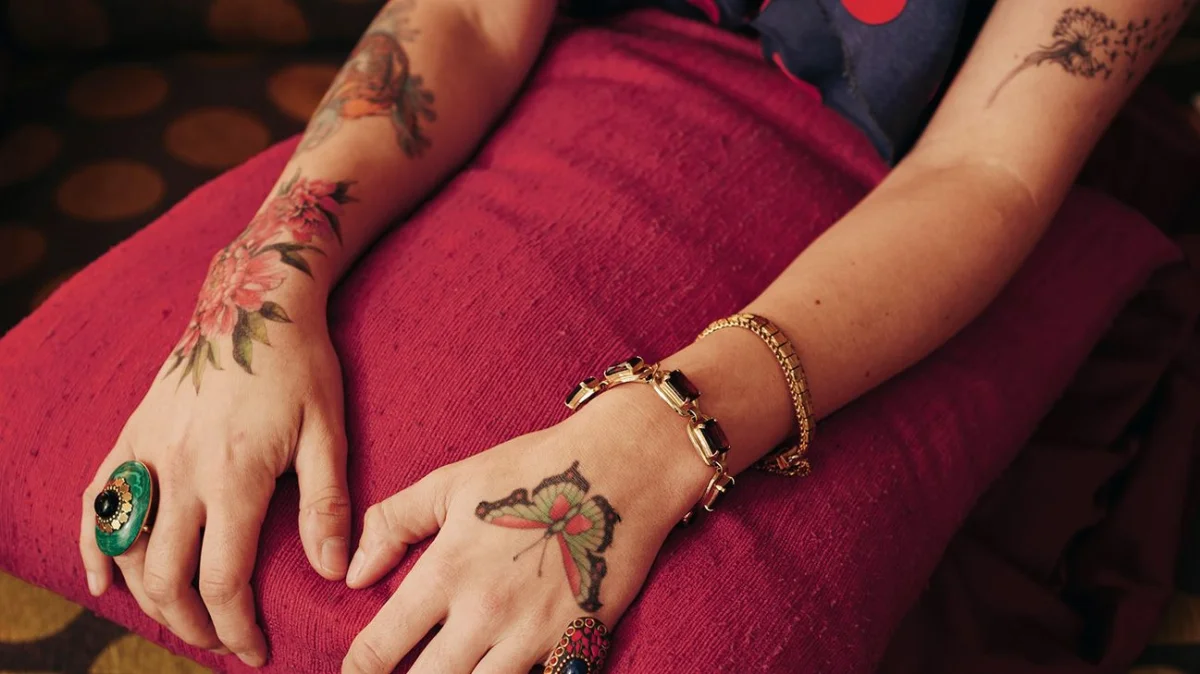
BRCA1 Previvor on Halloween, Added Sugar and Building Healthy Habits
A physician and mother explains why one piece of Halloween candy isn’t the concern, and how family traditions can support lasting healthy habits.
Halloween can bring up a familiar worry in cancer communities: does sugar feed cancer? My read is that a piece of candy doesn’t work like a direct fuel line to a tumor. Cancer cells use glucose for energy, but so do healthy cells, and the body regulates blood sugar as it rises and falls after eating. The American Cancer Society says eating sugar hasn’t been shown to directly cause cancer, fuel cancer cells or spread existing cancer. Avoiding sugar, by itself, doesn’t necessarily starve cancer cells either.
That distinction matters at Halloween, when candy is everywhere and a simple question can turn into unnecessary fear. It also doesn’t mean that eating unlimited amounts of added sugar is a good idea. The relevant concern is the pattern that develops over time, rather than one sweet on one occasion.
What matters in a person’s usual diet
Sugar comes in different forms and foods. Fruit, vegetables and whole grains contain naturally occurring sugars along with fiber and other nutrients. Fiber slows the absorption of sugar and can help people feel full. Candy, desserts and soda, by contrast, often contain added sugars and refined carbohydrates while offering less nutritional value.
When foods high in added sugar become a regular part of someone’s diet, they can contribute to excess calorie intake and weight gain. Obesity and excess body fat are associated with a higher risk of at least 13 types of cancer, including breast cancer. That is an indirect link: it doesn’t mean a piece of candy causes cancer, or that a person can predict their individual risk from one food.
For me, the practical message is to pay attention to the eating habits that repeat over months and years. A handful of Halloween candy or a slice of birthday cake isn’t something I picture traveling through the body to feed a tumor. I’d rather help people build sustainable habits than make a holiday treat a source of guilt. Food choices are part of health, but one occasion doesn’t define someone’s diet or future.
A Halloween tradition that leaves room for treats
Every October 1, my children look for Switch Witch, a stuffed witch who sits in a cauldron. We call her Switchy. She’s been part of our Halloween season since the kids first started trick-or-treating, and the tradition has become one of our favorite family rituals.
During October, the children have plenty to anticipate: carving pumpkins, decorating the house, planning costumes and spending Halloween with neighborhood friends. After trick-or-treating, they choose a few favorite pieces of candy and leave the rest for Switchy. She takes it away and leaves a special gift in its place.
This arrangement suits our family, but it won’t suit every family. There isn’t one correct way to handle the Halloween candy haul. What matters to me is the relationship with food and health that parents help children develop over time. I try not to make candy the center of the holiday, and I don’t want my children to associate food choices with fear or shame.
Halloween offers plenty of reasons to celebrate that have nothing to do with the candy bag. I see children and parents getting creative with costumes and make-believe. Families walk around outdoors, visit neighbors and spend time together. As a palliative care physician, I’ve spent years caring for people with serious illnesses and at the end of life. Those experiences have shaped what I hope my children remember: the costumes, the fun of going door to door with friends and the excitement of waking up to see what Switchy left behind.
Family experiences can shape health habits
I grew up collecting pillowcases full of candy and holding on to it for months. My parents did their best to teach us about candy and nutrition with what they knew at the time. When I was 13, I watched my mother face cancer. Both sets of my grandparents later dealt with type 2 diabetes, dementia and heart disease. In my mid-twenties, learning about my own BRCA1 mutation gave me another reason to think about food and health.
One lasting lesson is that families pass down more than genes. They also pass down routines and ways of living. My experiences changed what I want to model for my children: how we eat and move, how we sleep, how we manage stress and how we connect with other people. These habits are part of lifestyle medicine, and I try to show them through everyday choices rather than through rules alone.
Children learn from what parents do
Parents’ experiences with cancer risk or illness can influence how children think about their own health. I’ve learned that my children are more likely to follow my example than simply do what I tell them. I’m not perfect, and I don’t want health education to rely on fear or guilt about foods they shouldn’t eat.
Processed foods are easy to encounter in daily life, so I focus on choices I can shape. My children see me eat colorful, plant-based meals, move my body, make time for sleep and play with them. We talk about how different foods fuel us and how our habits may affect health. They understand more about those connections than I did at their age. They also remind me that I could improve my screen-time habits, and they have a point.
My BRCA1 status has made health feel personal, but it hasn’t made me want to remove joy from family life. Halloween can include candy and still make space for connection, movement and play. That balance is the lesson I hope my children carry with them.
===