Atrial Fibrillation and Diet: What the Evidence Says About Food and Risk
Plant-rich eating may help address several factors linked to atrial fibrillation, but diet evidence is limited and one case report cannot show it is a treatment.
Diet may affect several factors linked to atrial fibrillation, but the evidence does not establish a specific eating plan as a way to prevent or treat the condition. The research points toward a practical pattern: plenty of vegetables, fruit, whole grains, beans and nuts, with less emphasis on meat and other animal foods. Some findings about alcohol and certain fish also deserve attention, though they need careful interpretation.
What dietary patterns have been studied
Atrial fibrillation, often called Afib, is an abnormal heart rhythm and the most common clinical arrhythmia. It is linked to serious outcomes including stroke, heart attack and heart failure. Researchers have examined whether food choices affect the chance of developing Afib or influence related health risks.
One study found an association between low-carbohydrate diets and a higher risk of developing Afib. The researchers proposed several possible explanations: people eating fewer carbohydrates may also eat fewer vegetables, fruits and whole grains; higher protein and fat intake could contribute to oxidative stress; and other cardiovascular conditions associated with these diets might raise Afib risk. These are proposed pathways, not proof that low carbohydrate intake directly causes the rhythm disorder. Separate research has also linked low-carbohydrate diets with higher mortality, including from cardiovascular disease and cancer.
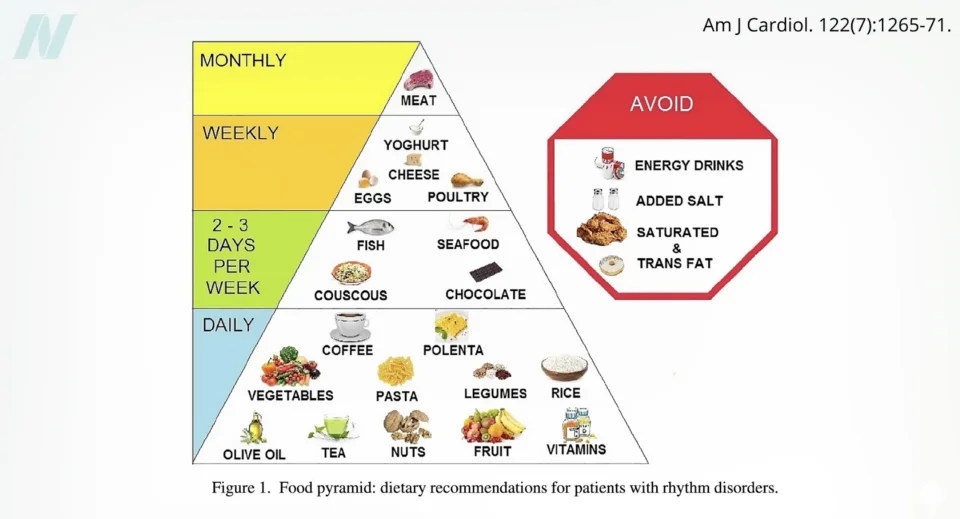
Recommendations discussed for people with heart rhythm disorders instead emphasize plant foods: fruits, vegetables, grains, beans and nuts every day; seafood a few days a week at most; eggs, dairy and poultry about weekly; and other meats about monthly. This pattern limits saturated and trans fats while making plant foods the center of meals.
A whole-food, plant-based diet takes that approach further by emphasizing whole grains, legumes such as beans and lentils, vegetables, fruit and nuts, while avoiding most or all animal products. The rationale is that it increases foods considered protective and reduces some foods that may be harmful. The evidence cited here, however, does not establish that everyone with Afib should follow this diet or that it can replace medical care.
Fish, alcohol and caffeine findings
A Framingham Heart Study analysis raised a question about “dark fish,” defined as salmon, mackerel, swordfish, bluefish and sardines. In an exploratory analysis, people reporting more than four servings a week had about six times the risk of developing Afib compared with those eating less. Fish intake overall did not appear to affect risk in another analysis. The result is a signal from a specific analysis, not a reason to assume that fish generally raises Afib risk; further research would be needed to clarify the finding.
Alcohol has a clearer association with arrhythmia risk in the cited research, although the precise biological explanation remains uncertain. Each additional drink per day may be associated with as much as an 8% increase in relative Afib risk. That figure describes a relative association, not an individual’s absolute chance of developing the condition. By contrast, the research cited here did not find a clear link between coffee or caffeine and arrhythmia risk.
Why broader health changes may matter
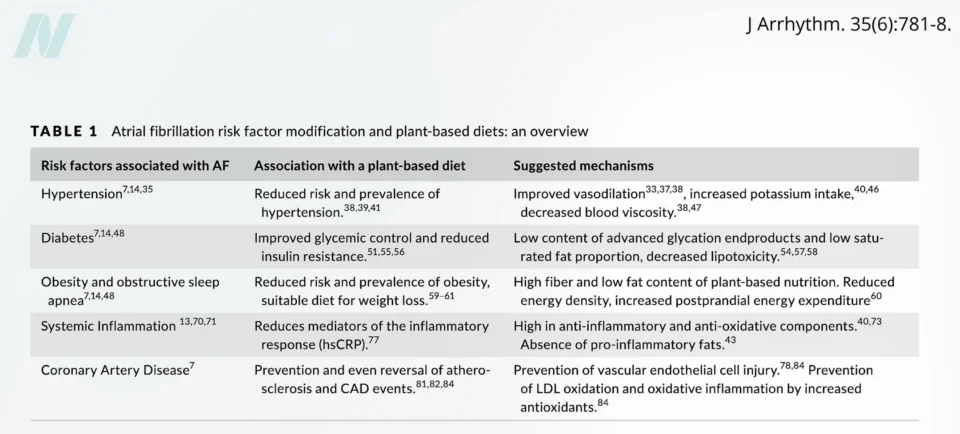
Plant-rich diets may help with several conditions associated with Afib, including high blood pressure, hyperthyroidism, obesity and diabetes. High blood pressure is estimated to account for about one-fifth of new Afib cases. A plant-based pattern may support blood vessel function and provide more potassium and foods with anti-inflammatory and antioxidant properties. These possible benefits fit with known risk factors, but they do not show that diet alone prevents Afib.
One study linked avoiding all animal foods with about half the prevalence of hyperthyroidism compared with eating meat. Vegetarian and fish-only diets showed intermediate associations. This finding concerns prevalence, and it does not show that diet can treat thyroid disease.
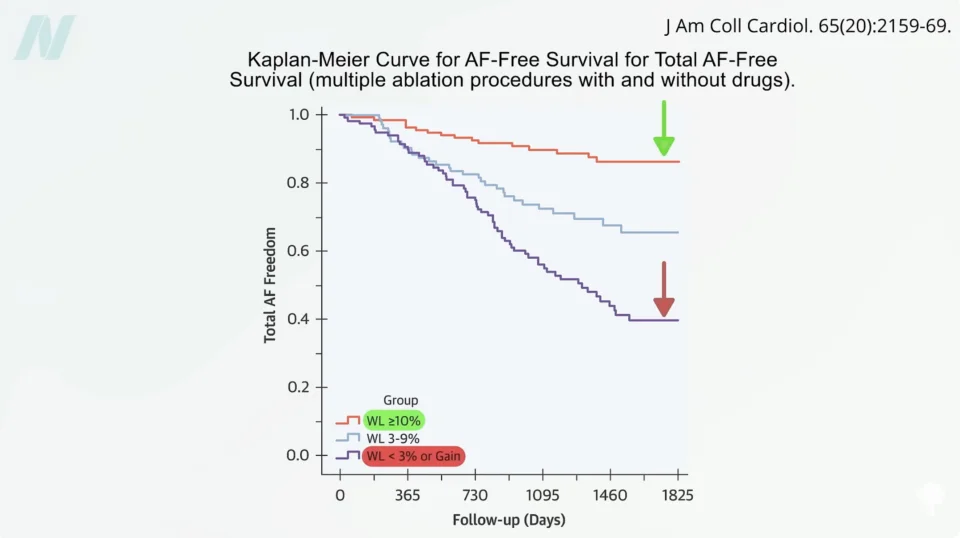
Excess body fat may account for another one-fifth of Afib cases. In a study of people with Afib and excess weight, those who lost at least 10% of their body weight had a 10% chance of still having Afib five years later. Among those who lost less than 3% or gained weight, 60% were still affected. The findings suggest that substantial weight loss may be associated with better outcomes, but they do not guarantee an individual result.
A case report is not a treatment trial
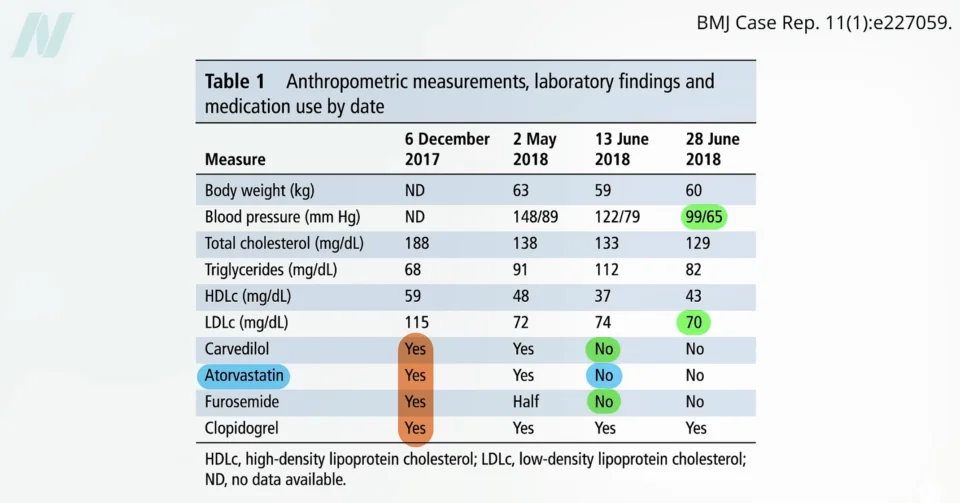
The most striking example in the source is a case report about an 82-year-old man with persistent Afib and several other health conditions, including coronary artery disease, previous heart attacks, high blood pressure and high cholesterol. He adopted a whole-food, plant-based diet and added moderate physical activity. The report says his blood pressure and cholesterol improved, and that his cognitive symptoms, fatigue, light-headedness and weakness also eased.
After about three months, his LDL cholesterol had fallen 37%, from 115 to 72 mg/dL. He was still taking a cholesterol-lowering statin when that result was recorded. Later, after his doctor stopped the statin and blood pressure medicines, his cholesterol remained low and his blood pressure normalized. The report also says his Afib resolved. These changes are notable, but one person’s experience cannot show that diet caused the improvements or that other people can expect the same result.
The patient described feeling clearer and more energetic after changing his eating and exercise habits. His account can illustrate what happened in his case; it cannot establish that prescribed medicines caused his earlier symptoms or that stopping medication is safe for others.
For people living with Afib, the evidence supports discussing diet, weight, blood pressure and other risk factors with a clinician. Anyone considering major dietary changes or changes to prescribed medication should involve their doctor or pharmacist. The research offers reasons to study plant-rich eating further, while clinical trials—not a single case—are needed to establish whether it can prevent or treat Afib.