Gut Bacteria Help Shape How the Body Responds to Meat and Fiber
Studies link gut bacteria with TMAO production after animal foods and short-chain fatty acids from fiber. Responses vary, and long-term diet matters.
Diet and gut bacteria work together
What people eat can influence which gut microbes thrive, and those microbes can affect how the body processes food. Research on the compound TMAO and on fiber fermentation points to a two-part relationship: the food supplies material, while gut bacteria help turn it into substances that may affect health.
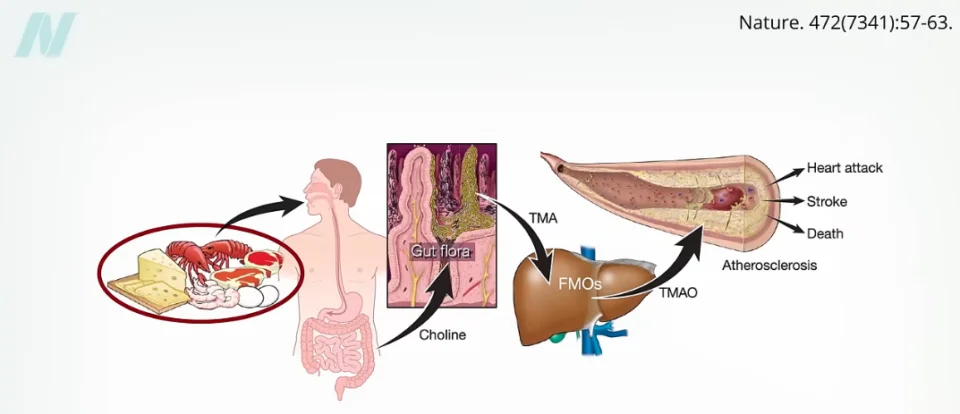
After people eat foods such as meat, seafood, dairy or eggs, gut microbes can use compounds including carnitine and choline to produce TMAO. Higher TMAO levels have been associated with cardiovascular risks, though the studies described here do not establish that a particular meal causes a heart attack, stroke or other outcome. The process is outlined in this video on food and the gut microbiome.
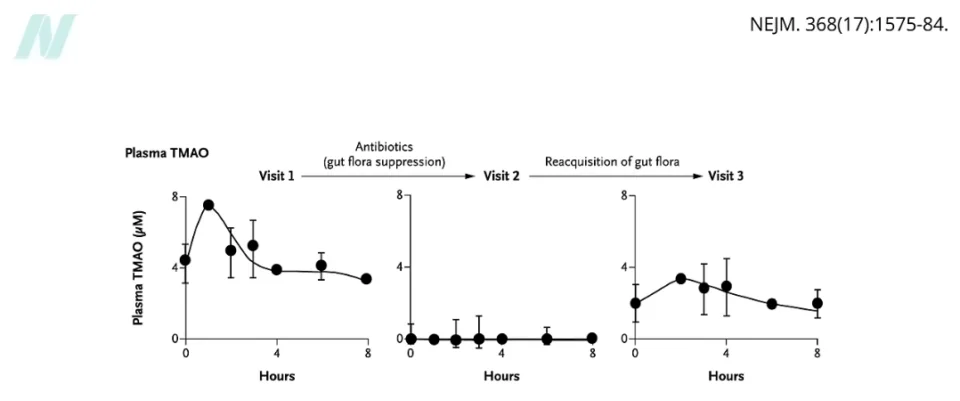
In a human experiment, eating two eggs led to a rise in blood TMAO within hours. After participants took antibiotics for a week, the same egg challenge did not produce that rise. When their gut bacteria had a month to regrow, TMAO production returned. The finding supports a role for gut microbes in the process; it does not mean antibiotics are a safe or appropriate way to change TMAO levels.
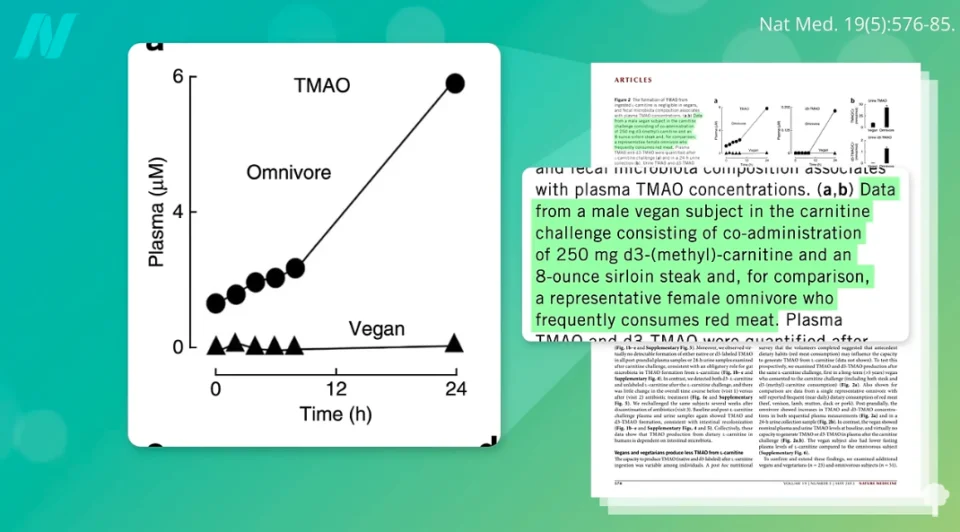
A similar pattern appeared in a meat study. Participants who ate an amount equivalent to an 11-ounce steak had higher TMAO in their blood. After a week of antibiotics, eating the same amount did not produce the increase. Research has also found that people with little history of eating meat may produce less TMAO after a meat meal, consistent with differences in the microbes their diets support. These short-term experiments help explain a biological pathway; they cannot by themselves show what an individual’s long-term disease risk will be.
Fiber feeds a different set of microbes
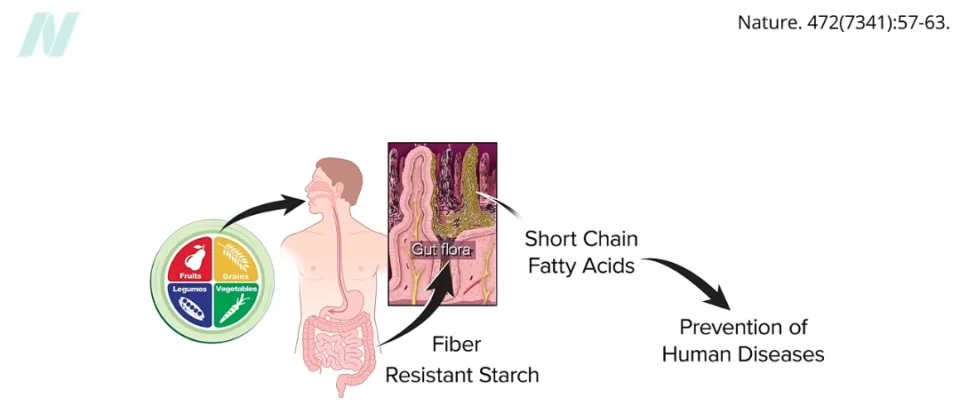
Plant foods supply another set of materials for gut bacteria. Fiber and resistant starch in fruits, vegetables, whole grains, beans, nuts and seeds can be fermented into short-chain fatty acids. Butyrate is one example. Research has linked these compounds with effects on the gut lining, inflammation and how the body handles insulin and energy. Some findings also suggest possible roles in weight regulation and cancer biology, but they do not establish that eating fiber prevents or treats those conditions.
As with TMAO, the food alone does not explain the result: microbes capable of using fiber matter too. A small human study tested three daily servings of intact barley kernels, or barley groats. Participants ate roughly 30 grams of additional fiber and resistant starch for three days. On average, their insulin response to white bread fell by 25%, while the blood sugar rise was also dampened. This was a brief study in healthy middle-aged adults, so it does not show that the same effect will occur in everyone or persist over time.
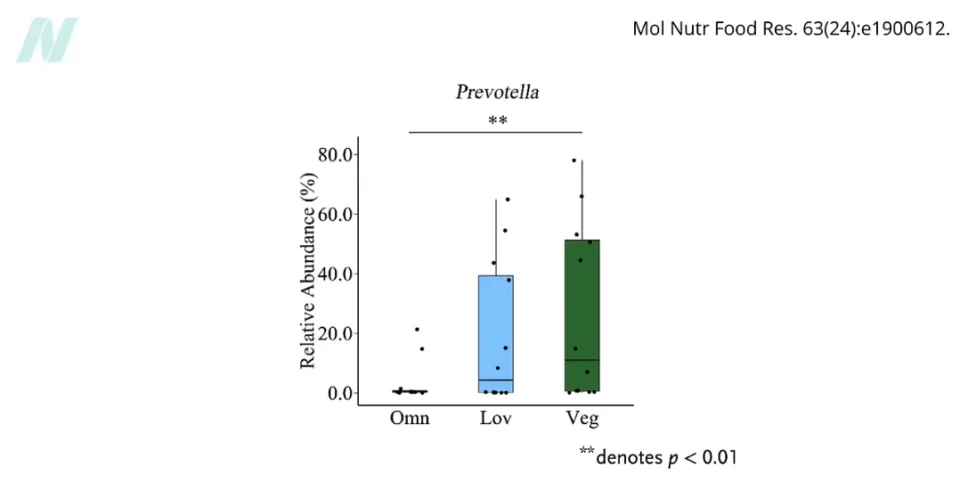
Responses varied substantially. Some participants had clear reductions in blood sugar and insulin responses; others did not benefit in the same way from the added fiber. One proposed explanation is that people differ in the abundance of fiber-using bacteria, including Prevotella. Research has associated higher levels of this microbe with long-term fiber intake. That makes a person’s established eating pattern relevant when interpreting a short dietary experiment.
Long-term patterns may shape the response
Studies comparing populations have reported high Prevotella levels among rural African children whose diets were largely based on whole plant foods, alongside greater production of short-chain fatty acids. Research in industrialized populations has also found that vegetarian and vegan eating patterns tend to be associated with more fiber-consuming gut bacteria than meat-containing diets. These comparisons can point to possible mechanisms, but they cannot isolate diet from every other difference between groups.
Some studies have found a more inflammatory profile among omnivores than vegetarians and have suggested that animal foods may favor gut conditions associated with inflammation and insulin resistance. That interpretation remains a research hypothesis, rather than proof that eating animal foods directly causes type 2 diabetes. The broader evidence also suggests that the gut microbiome shaped by a long-term diet may affect how much benefit a person gets from fiber.
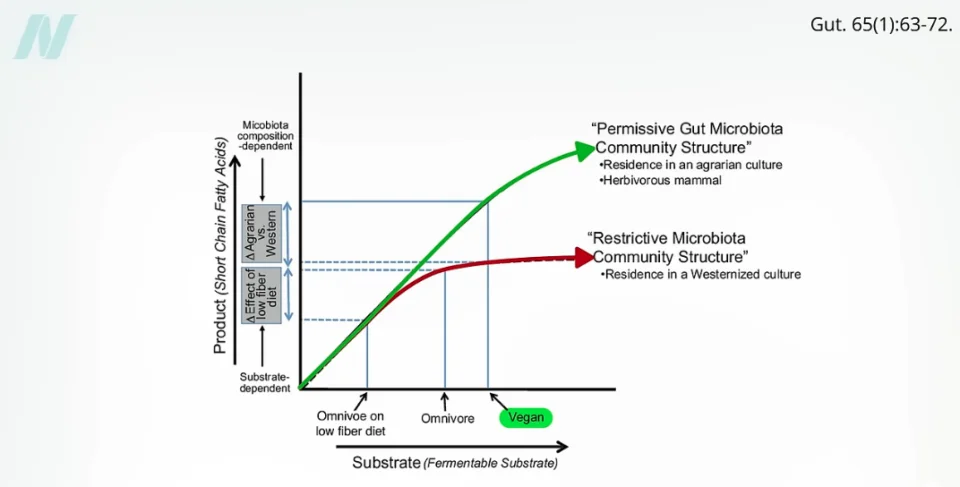
Adding plant foods can increase the material available to fiber-feeding microbes, but the short-term response may level off when the microbes able to use that fiber are limited. People who have habitually eaten a plant-rich diet may have a larger population of those microbes. This helps explain why the same amount of fiber may not produce the same short-term changes for everyone. A plant-based pattern also varies in quality: the findings about fiber and microbial diversity concern whole plant foods, not simply foods labeled vegan.
What the findings mean for readers
The research supports a practical, measured takeaway: a varied diet rich in whole plant foods supplies fiber and resistant starch that gut microbes can ferment, while long-term eating patterns help shape which microbes are present. It does not establish a single ideal menu, predict an individual’s TMAO level, or show that changing one meal will reliably change health outcomes.
People considering major dietary changes, or managing a health condition or prescribed treatment, can discuss their options with a doctor or dietitian. The most useful next step for research is to clarify why people respond differently to the same foods and whether short-term changes in gut microbes and metabolites lead to lasting health benefits.
Related resources
Further reading on the gut microbiome and gut health:
- Microbiome: The Inside Story
- Prebiotics: Tending Our Inner Garden
- What’s Your Gut Microbiome Enterotype?
- Paleopoo: What We Can Learn from Fossilized Feces
- Gut Dysbiosis: Starving Our Microbial Self
- How to Develop a Healthy Gut Ecosystem
- How to Become a Fecal Transplant Super Donor
- How Our Gut Bacteria Can Use Eggs to Accelerate Cancer
- How to Keep Your Microbiome Healthy with Prebiotic Foods
More on TMAO:


