Broccoli Sprouts, Garlic and H. pylori: What the Evidence Shows
Small studies suggest broccoli sprouts may reduce H. pylori activity, while garlic’s possible long-term benefits remain uncertain.
Broccoli sprouts may reduce signs of H. pylori infection and stomach inflammation, but they have not matched the success of standard antibiotic treatment. Garlic has a different and less direct evidence trail: laboratory findings and long-term follow-up from one large study suggest a possible benefit, but they don’t establish garlic as a way to clear the infection.
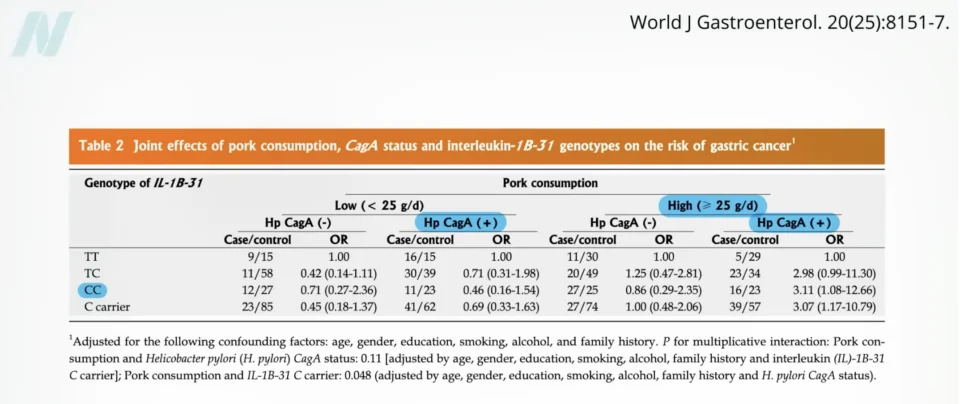
That distinction matters because H. pylori is associated with stomach cancer, and diet may shape risk alongside infection. A Chinese study found that people with a high-risk genetic profile and a particularly harmful strain of the bacterium did not appear to have higher stomach cancer risk unless they also ate about an ounce or more of pork daily. That finding points to a possible interaction among diet, inherited risk and infection; it does not show that pork alone causes cancer or that changing one food removes the risk.
Processed meats such as bacon, ham, hot dogs, lunch meat and sausage may contain compounds formed when preservatives react with components of meat. Salted and pickled fish can also produce a DNA-mutating chemical called CMBA. These mechanisms offer possible explanations for observed links between some meat products and stomach cancer, but the source also notes an association with fresh, unprocessed, unsalted meats. The relationship between food and cancer risk is therefore broader than a single ingredient or preparation method.
Broccoli sprouts show a signal, with limits
Sulforaphane, a compound found in cruciferous vegetables, was first studied for antimicrobial activity. Researchers began testing broccoli sprouts after reports that people with ulcers linked to H. pylori felt better after eating young sprouts. In laboratory experiments, extracts from broccoli sprouts killed antibiotic-resistant strains of the bacterium in a dish. That result shows activity under lab conditions; it does not by itself predict whether eating sprouts will clear an infection in people.
Human findings are more encouraging but still limited. One small study reported that some participants who ate about a third of a cup of broccoli sprouts each day for a week cleared the infection. A randomized trial compared broccoli sprouts with alfalfa sprouts. Participants eating broccoli sprouts in an amount described as equivalent to two or three servings of broccoli a day had lower measures of H. pylori colonization and inflammation in the stomach lining.
A separate estimate cited in the source put eradication with broccoli sprouts at 56% of patients. Standard three-drug antibiotic treatment was more effective, clearing the infection in about 90%. The studies do not establish sprouts as a replacement for prescribed treatment. People who have a diagnosed infection or ulcer symptoms can discuss suitable care with a clinician, including the benefits and possible side effects of treatment.
There is also population evidence about cruciferous vegetables and stomach cancer. A review combining 22 studies found that people who ate more of these vegetables had lower stomach cancer risk. That pattern is an association, not proof that broccoli or sprouts prevent cancer. The source notes that broccoli itself has not been directly tested for this outcome.
Garlic findings are mixed over time
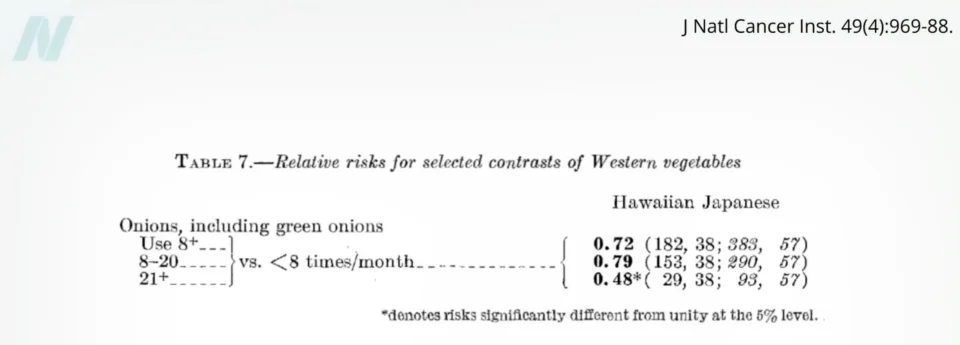
Studies of people who moved from Japan to other countries, along with later observational research, have linked higher intake of garlic, onions and other allium vegetables with lower stomach cancer risk. But such studies cannot show that the vegetables caused the lower risk. Publication bias may also affect the picture: studies that found no association may have been less likely to appear in print.
There is another possible explanation for the association. Long-lasting stomach inflammation could make people more likely to choose bland foods because stronger flavors cause discomfort. If so, lower garlic or onion intake could follow illness rather than contribute to it. This kind of reverse causation is one reason observational findings need to be tested in controlled studies.
Laboratory studies have found that garlic can suppress H. pylori, including some antibiotic-resistant strains, at concentrations that may be reached in the stomach after eating a clove. But results in a dish do not establish that garlic clears infection in a person or prevents cancer.
A randomized, double-blind trial enrolled thousands of people at high risk of stomach cancer across 13 Chinese villages. Participants received different combinations of antibiotics, garlic supplements and antioxidant supplements. A short course of antibiotics was linked to fewer precancerous stomach changes seven years later and fewer stomach cancers after 15 years.
Garlic supplements showed no benefit at the seven-year mark. At 15 years, the reduction in cancer was not statistically significant, meaning the result could have arisen by chance. A 22-year follow-up, published 15 years after the study ended, found a significant reduction in deaths from cancer among those who had taken garlic. The apparent protective effect was seen only among people who did not drink alcohol, according to the source. This is a long-term finding from one study, not proof that garlic supplements prevent cancer or treat H. pylori.
What readers can take from the evidence
Broccoli sprouts have shown promise for lowering measures of infection and inflammation, while garlic has laboratory evidence and a possible long-term cancer signal. Neither body of evidence establishes a food-based substitute for medical assessment or antibiotic treatment. The practical takeaway is to view these foods as part of a broader diet, not as proven infection remedies. For questions about testing, treatment, or side effects, a doctor or pharmacist can help interpret what applies to an individual’s health.


