Salted and Pickled Foods May Add to Stomach Cancer Risk Alongside H. pylori
H. pylori is a major stomach cancer risk, but research also links heavily salted and pickled foods with higher risk, especially in East Asia.
Stomach cancer risk appears to reflect more than infection alone. Research links Helicobacter pylori (H. pylori) to many cases, while dietary studies point to heavily salted and pickled foods as possible additional contributors, particularly in Japan and Korea. The evidence suggests a pattern, not proof that any one food causes cancer in an individual.
Infection matters, but it doesn't explain every pattern
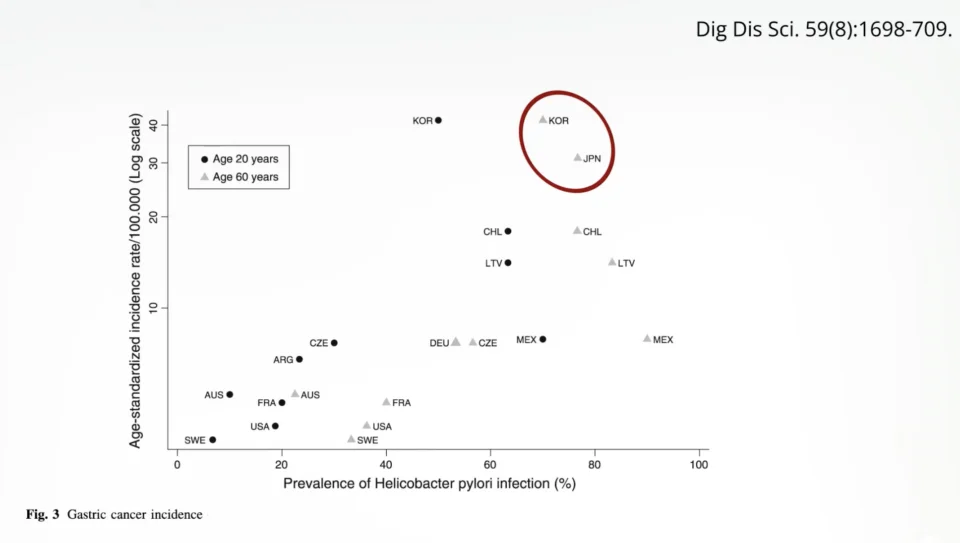
H. pylori infects the stomach lining and can cause long-lasting inflammation. It is classified as a carcinogen with strong evidence that it can cause cancer. Japan and Korea have both had high rates of stomach cancer and high prevalence of the infection.
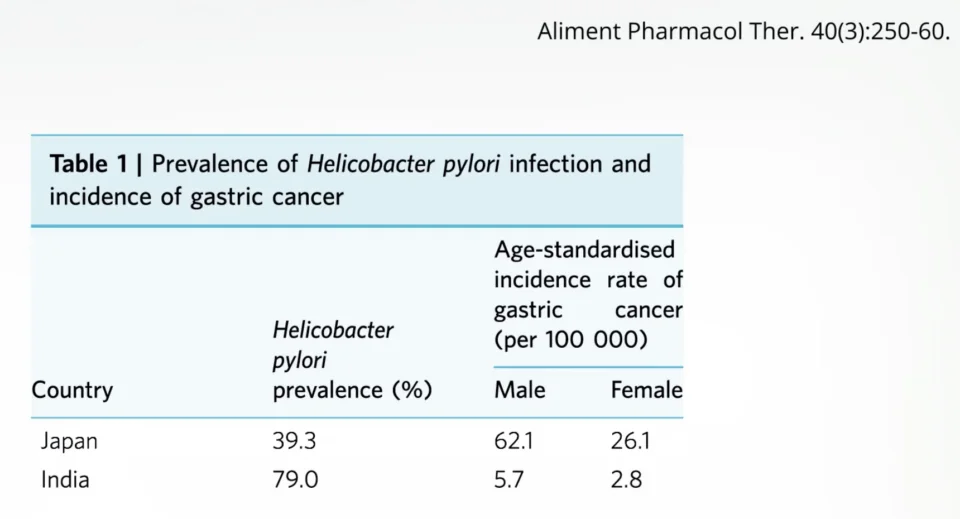
Yet infection alone cannot account for the differences seen between populations. H. pylori is common around the world, and most infected people do not develop stomach cancer. In some places, including Nigeria and India, infection rates have been reported as higher than Japan's while stomach cancer rates are lower. This gap points to other influences, which may include diet, alongside differences in health, environment, and population characteristics.
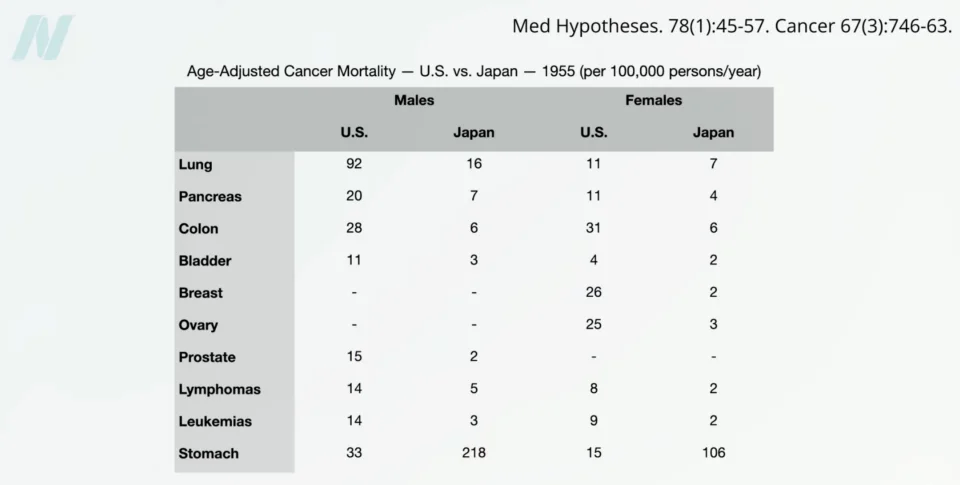
The article also describes evidence from Japanese migrants: stomach cancer rates fell as migrants and their children adopted more Western diets and lifestyles. That observation suggests that inherited traits alone do not explain Japan's historically high rates. It cannot, by itself, identify which changes mattered most.
What studies suggest about preserved foods
Comparisons among Asian populations with similar H. pylori rates but different stomach cancer rates have focused attention on preserved foods, including salted fish and vegetables. A review of 60 studies found that eating pickled foods was associated with higher stomach cancer rates. The association appeared stronger in Korea than in Japan; the article suggests that greater consumption of salt-fermented vegetables such as kimchi could be one reason. These findings come from studies that identify patterns across groups. They do not establish that kimchi itself caused the difference.
Other dietary findings offer a useful contrast. In one comparison cited in the source, eating fresh vegetables and fruit was associated with 85% lower odds of stomach cancer. Fresh fish consumption did not appear to be associated with risk either way. Those results describe statistical associations, not a guaranteed protective effect for any person.
Small experimental studies add clues about how preserved foods might affect the stomach, but they cannot answer the long-term cancer question. In a three-day study in Vancouver, participants ate either 30 ounces of vegetables pickled in soy sauce or pickled cucumbers. Researchers took stomach biopsies before and after the trial. The biopsies were normal after participants ate fresh carrots or cucumbers, while those taken after the pickled vegetables showed moderate to severe tissue changes consistent with irritation.
That short study involved a large amount of pickled food over a brief period, and its outcome was tissue irritation—not cancer. It therefore offers a possible clue about the stomach lining, not evidence that ordinary consumption leads to cancer. Laboratory research has also found that extracts from pickled vegetables can damage DNA in cells grown in a dish. Lab findings help researchers explore mechanisms, but they do not show what happens under typical eating conditions in people.
Salt may affect the stomach lining
Salt is not described as a direct carcinogen in the cited research. However, high salt intake may weaken the stomach's protective lining, thin its mucus layer, and make it easier for H. pylori to colonize the stomach. Researchers have also proposed that salt may increase the penetration or formation of cancer-causing compounds. These are possible pathways that could help explain why salt and infection may matter together.
Studies have associated even moderately high salt intake with higher stomach cancer risk. In Japan, one study found that the relationship may have been limited to people who already had inflammation linked to H. pylori. That finding reinforces a broader point: risk factors may interact, and a dietary association may depend on a person's health context.
Fermented soy is not the same as fresh soy foods
The source distinguishes non-fermented soy foods—such as tofu, edamame, and soy milk—from fermented products. In Japanese studies, non-fermented soy foods were linked to lower stomach cancer risk, while fermented soy foods showed no association, even when they were highly salted. Researchers have suggested that isoflavones in soy may have anti-inflammatory and antioxidant effects, but the reported associations do not prove that soy prevents cancer.
That distinction also cautions against treating all fermented or preserved foods as interchangeable. Their salt content and preparation differ, and studies may measure them in different ways. The available findings raise questions about the overall dietary pattern and salt exposure; they do not support a simple conclusion about every serving of kimchi, miso, or another fermented food.
What the evidence means for readers
The strongest established factor discussed here is H. pylori infection. The diet findings are suggestive: population studies connect pickled foods and salt with higher risk, while a brief human study found stomach irritation after a large intake of pickled vegetables. None of these findings shows that a particular food will cause cancer, and the short experiment did not measure cancer outcomes.
People with questions about H. pylori, ongoing stomach symptoms, or their personal stomach cancer risk can discuss them with a doctor. The infection is commonly treated with a combination of antibiotics; dietary changes should not be treated as a replacement for assessment or treatment. The next useful evidence will clarify whether reducing salt or particular preserved foods changes risk, and for whom those changes may matter most.


