Skip to the labels
Nutrition
-
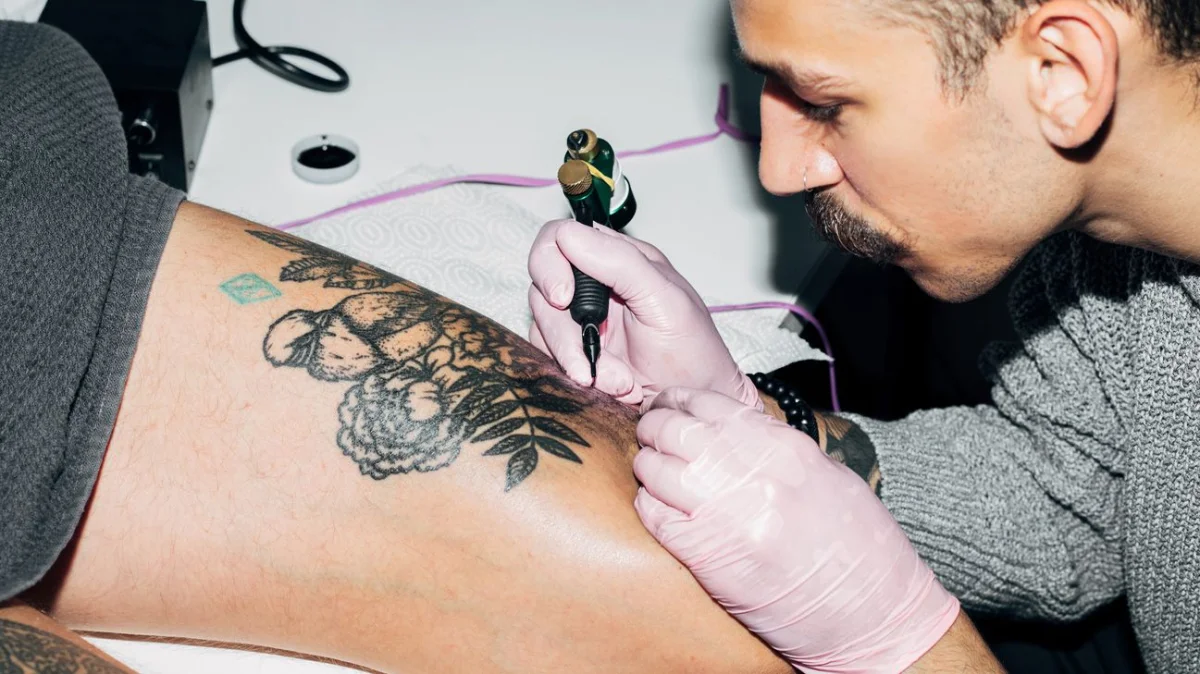 Tattoos and Anxiety: What Research Says About Body Image and Well-Being
Some people find tattoos meaningful, but studies show mixed links with mental health and can’t establish that tattooing treats anxiety.
-
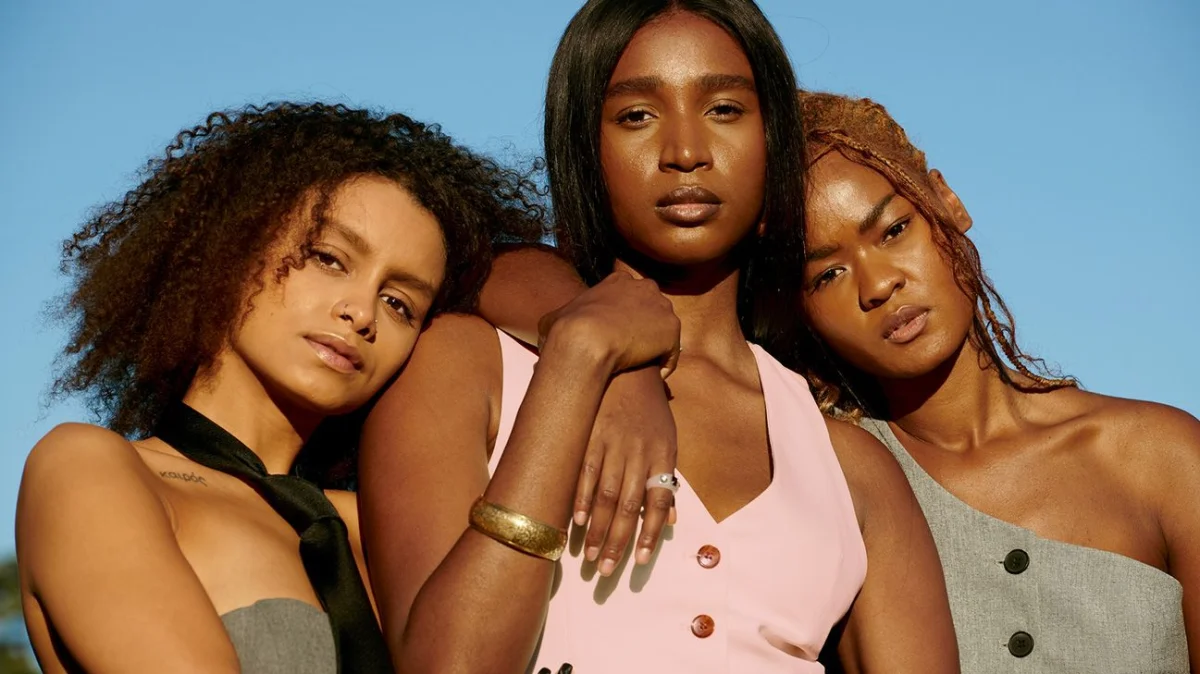 European Beauty Standards: Effects on Self-Image and Everyday Life
Eurocentric beauty ideals can shape self-image and opportunities. Research cited here points to effects in hiring and children’s views of appearance.
-
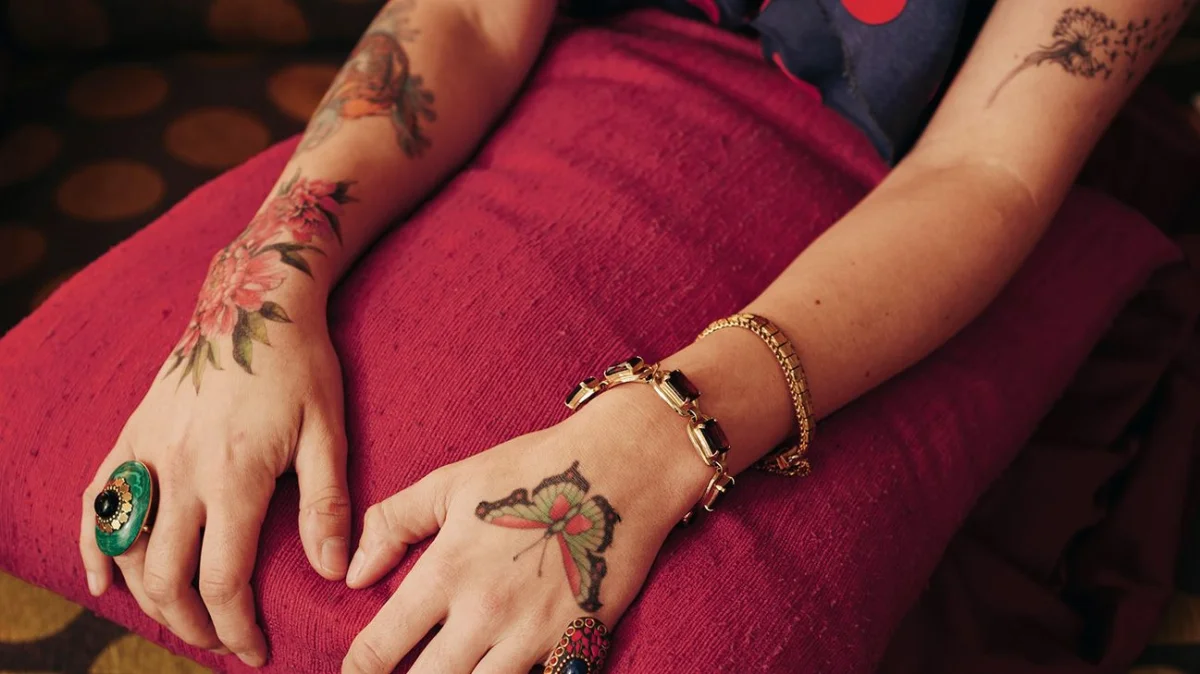 Strength Tattoo Ideas and What to Consider Before Getting Inked
Lion, oak tree, butterfly and other designs can symbolize resilience. Consider personal meaning, placement, studio hygiene and healing before getting a tattoo.
-
 Creatine and DHT: What the Evidence Says About Hair Loss
One small study found higher DHT after creatine loading, but a link to hair loss remains unproven. Here’s what that means for supplement users.
-
 10 Relationship Signs That May Point to Infatuation Rather Than Love
Surface-level conversations, mismatched values, or feeling relieved apart may prompt reflection, but no single sign proves what you feel.
-
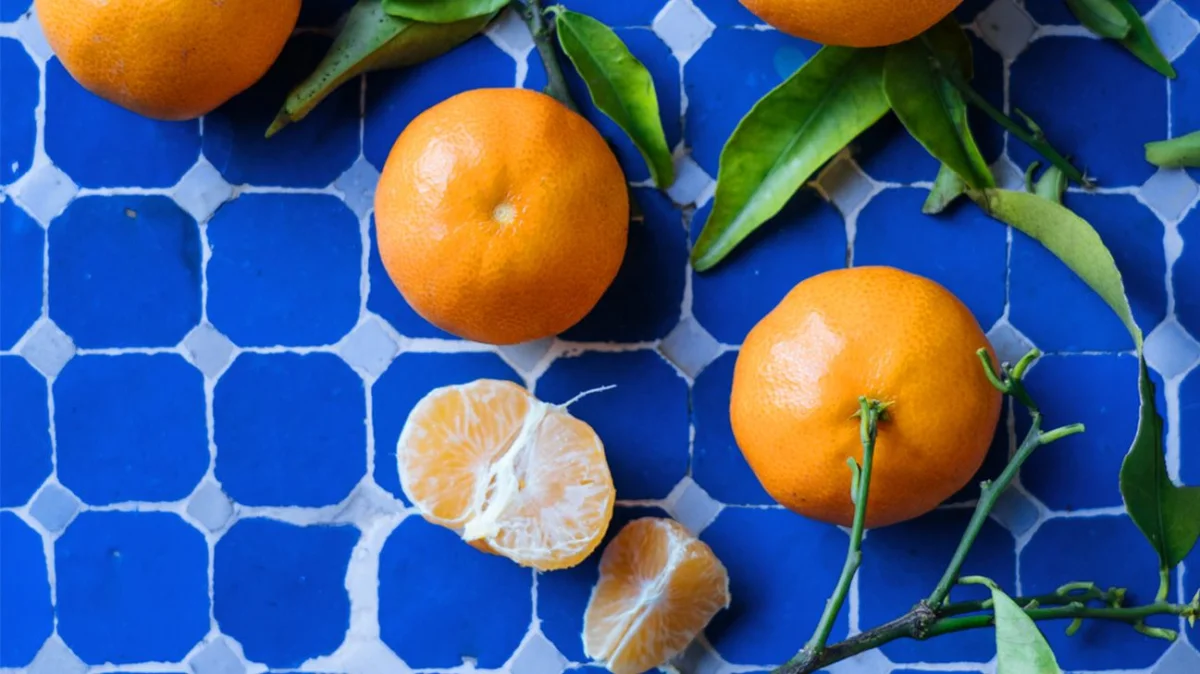 Tangerine Nutrition: What Vitamin C, Fiber and Other Nutrients Can—and Can’t—Do
Tangerines provide vitamin C, fiber and other nutrients. Their benefits fit into a balanced diet, but they aren’t treatments for disease.
-
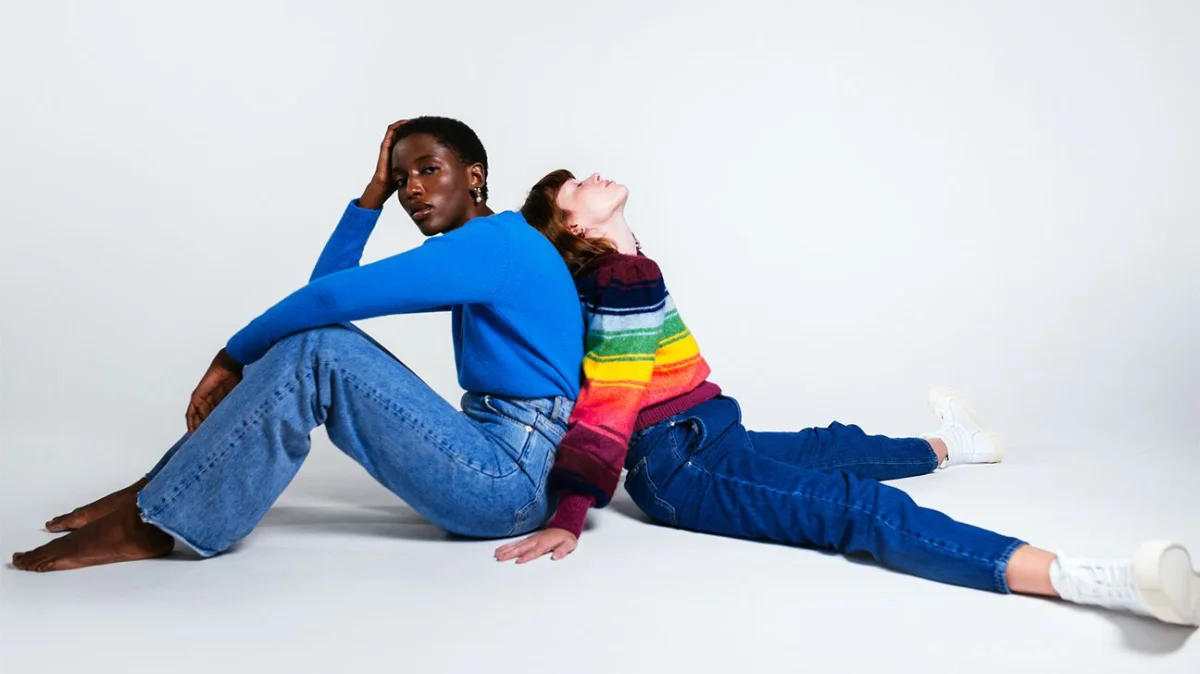 Relationship Stages: From Early Excitement to Long-Term Attachment
A four-stage model describes how romance may change over time, but its timelines are broad guides, not a forecast for every couple.
-
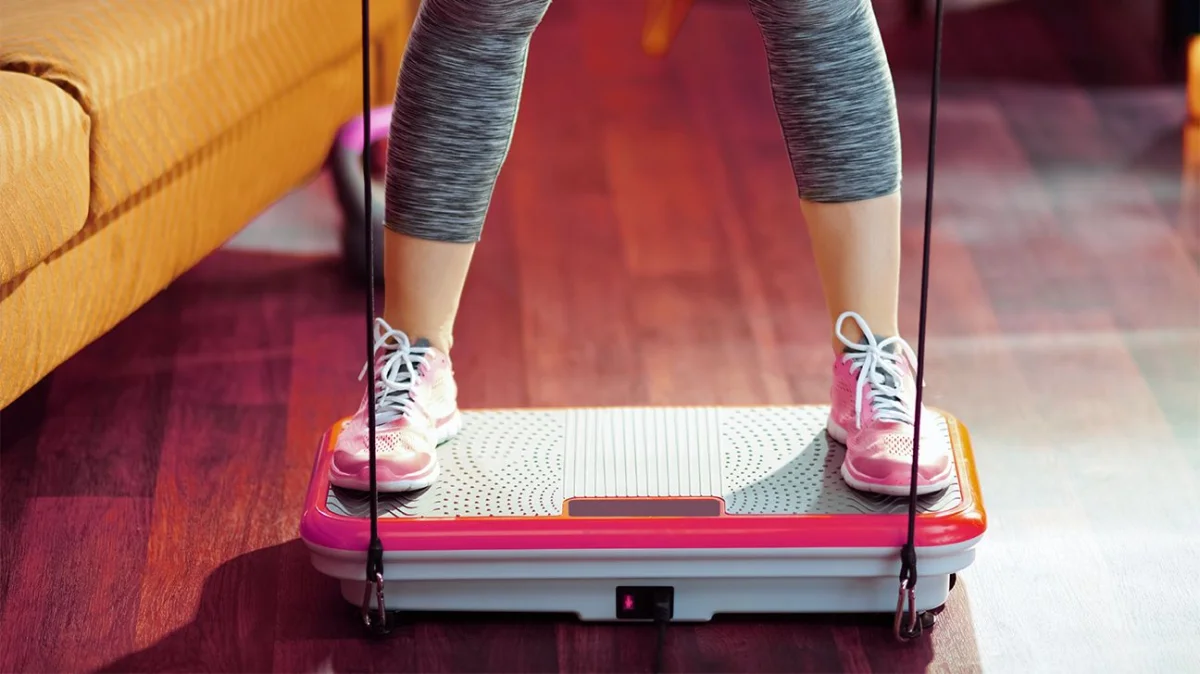 Vibration Plates: What the Research Says About Strength, Recovery and Fat Loss
Vibration plates may support exercise, but evidence is limited and they aren’t a stand-alone route to strength gains or fat loss.
-
 Protein Powder and Gas: Possible Causes and Ways to Reduce Discomfort
Protein supplements may cause gas because of lactose, sweeteners or other ingredients. Gradual changes and checking labels may help identify triggers.
-
 Women’s Undercut Hairstyles: Styles, Hair Care and Scalp Health
Undercuts can reduce hair bulk and styling time, but claims about scalp benefits are uncertain. Compare popular styles and what to consider.
-
 Hickey Stages: Why Bruises Change Color and How Long They Take to Fade
Hickeys are minor bruises that usually fade within days to two weeks. Learn what drives their color changes and what may help during healing.
-
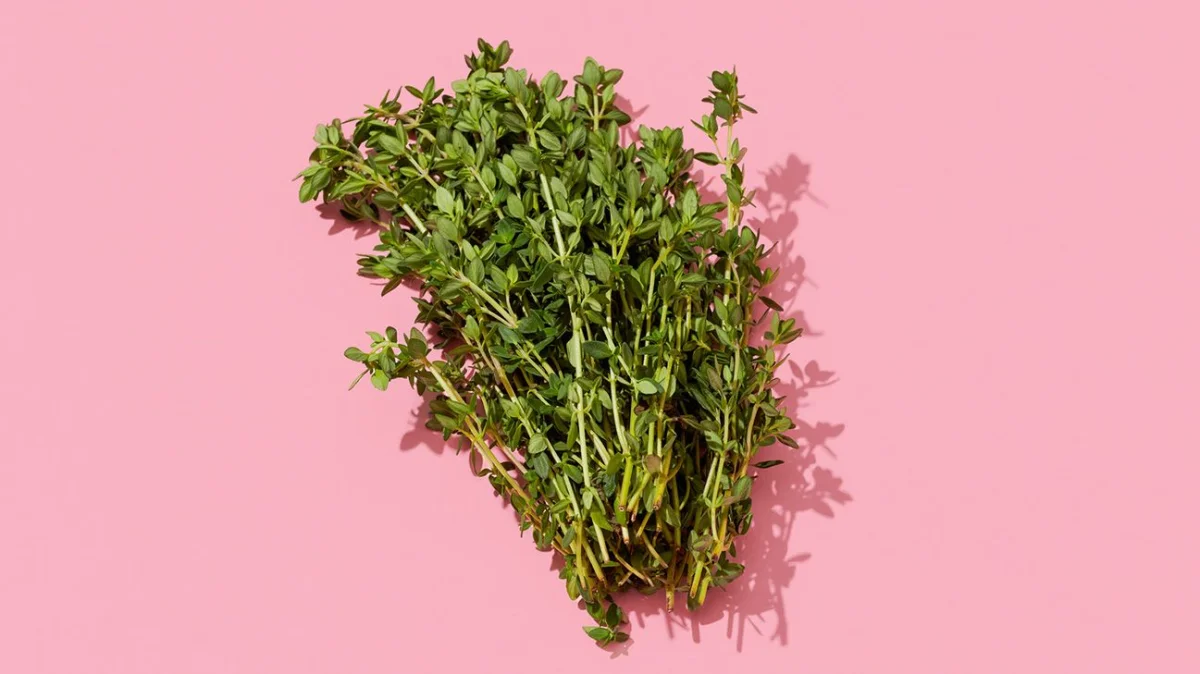 Mosquito Bite Relief: What Home Remedies May Help—and Their Limits
Cold, heat and household remedies may ease mosquito bite itching temporarily, but evidence varies and some can irritate skin.
-
 L-Tyrosine Supplements: What Research Says About Brain Benefits and Risks
L-tyrosine may support thinking under stress, but evidence for mood conditions is limited. Learn what it does, where it’s found and what to discuss with a clini...
-
 Inverted Nipples: Common Causes, Changes to Watch For and Care Options
Inverted nipples are often harmless, but a new change or symptoms such as pain or discharge are reasons to seek medical advice.
-
 Nopales: What Research Says About Prickly Pear Cactus and Health
Nopales offer nutrients and antioxidants, but research on blood sugar, joints and liver health remains limited and mixed.
-
 4A Hair Care: Moisture, Detangling and Protective Styling
4A hair’s springy coils can benefit from gentle detangling, conditioning and low-friction styling. Hair type is only one guide to care.
-
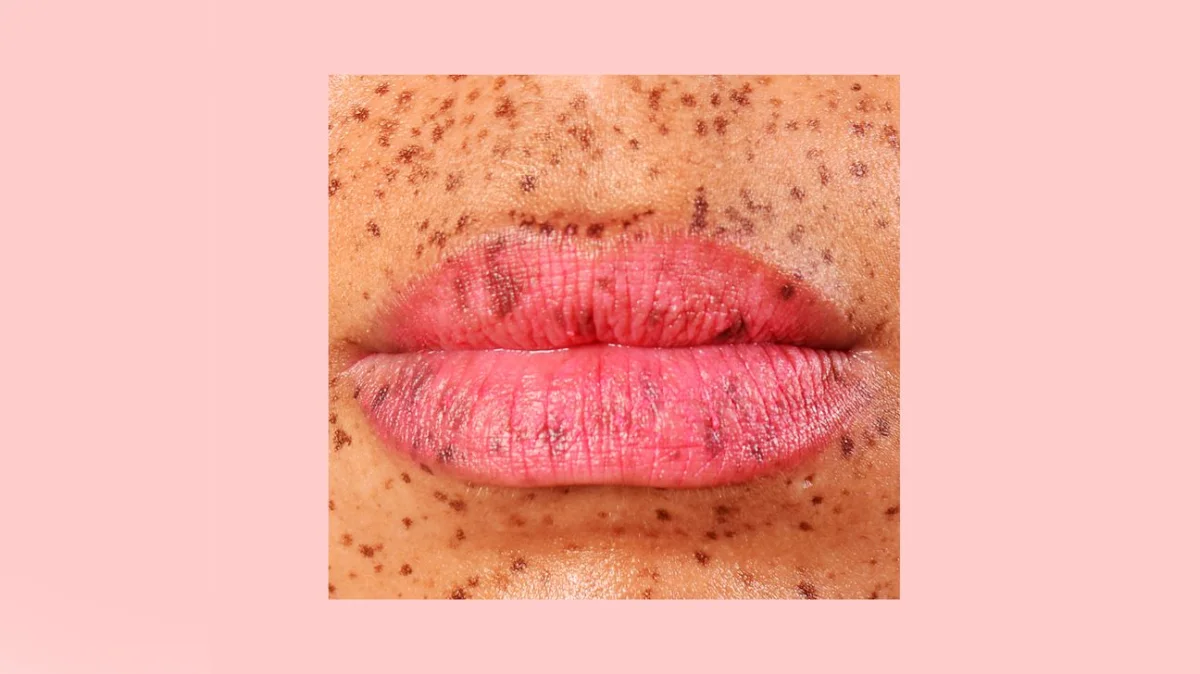 Cracked Lip Corners: Causes, Gentle Care and When to Seek Advice
Saliva and dry conditions can irritate mouth corners. Gentle skin care may help, but persistent or worsening cracks deserve medical advice.
-
 Dark Green Stool: Common Causes and When to Seek Medical Advice
Dark green stool is often linked to food or faster digestion. Learn what can cause it and which accompanying symptoms warrant medical advice.
-
 Writing a Dating Profile Bio That Feels Personal and Starts Conversations
Specific details, a clear sense of what you’re looking for, and authentic photos can help a dating profile invite more meaningful conversations.
-
 Rising, Moon and Sun Signs: What They Mean and What You Need to Find Yours
Your rising sign uses birth time and place, while your moon sign reflects lunar position. Online chart tools can calculate both.