Skip to the labels
Preventive Health
-
 Supplements for Sickle Cell Disease: What the Evidence Shows
Studies suggest possible benefits from some supplements for sickle cell disease, but results vary. Learn what researchers found and what to discuss with your ca...
-
 Gene Editing Advances Toward Treating More Than One Rare Disease
Base and prime editing are reaching human trials, while early mouse results suggest one approach could address several diseases with the same genetic error.
-
 Six Ways to Make Your Nighttime Teeth-Cleaning Routine More Effective
Flossing first, keeping fluoride on your teeth and cleaning oral appliances can help strengthen a nighttime routine, though mouthwash needs vary.
-
 Human Teams Produced More Diverse Ideas Than ChatGPT in a 208-Person Study
In a 208-person experiment, people brainstorming with another person produced more varied ideas than those working with ChatGPT.
-
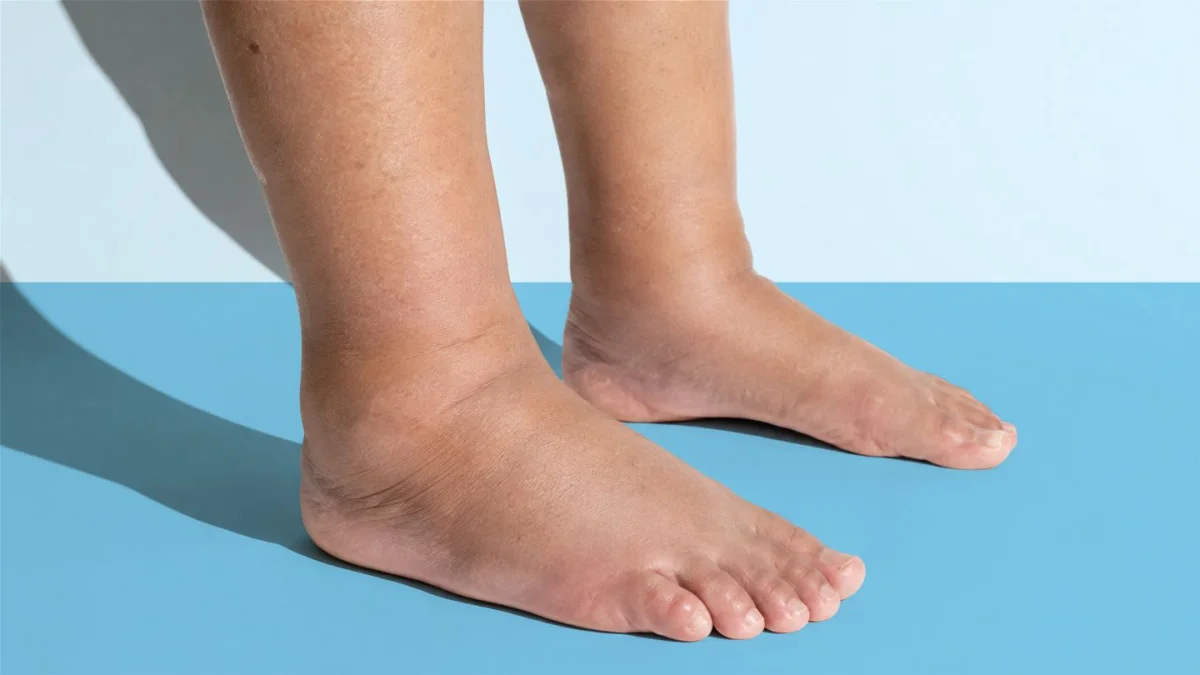 Subtle Signs of Chronic Kidney Disease and When to Seek Testing
Kidney changes can be easy to miss. Learn which symptoms merit a conversation with a clinician and how blood and urine tests can help.
-
 Chronic Kidney Disease and Water: Fluid Needs Change by Stage
Fluid needs depend on kidney function, dialysis, urine output and other factors. A clinician can help set a safe personal target.
-
 Ilona Maher Balances Rugby Training With a Growing Public Profile
The Olympic rugby player is training toward 2028 while hoping more fans can watch the sport and more girls feel welcome in fitness.
-
 Psoriasis and Thanksgiving: Planning for Food, Stress and Dry Skin
A few flexible plans for meals, stress and skin care may make Thanksgiving more comfortable for people with psoriasis.
-
 Six Peptides May Be Compounded, but Safety Evidence Remains Limited
A temporary shift may make six unapproved peptides easier to obtain through compounding pharmacies. It does not establish that they work or are safe.
-
 Menopause Hot Flashes and Night Sweats: Effects on Work, Sleep, and Relationships
Hot flashes and night sweats can affect sleep, mood, work, and intimacy. Practical strategies and a clinician’s guidance may help manage them.
-
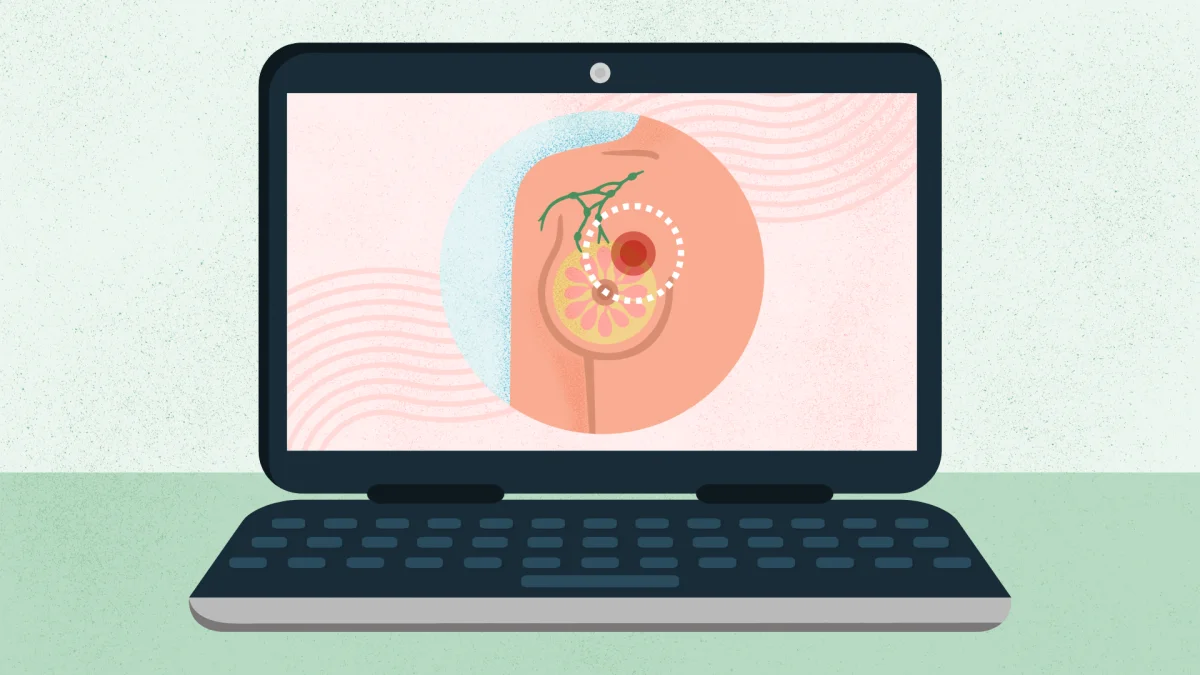 Six Support and Information Resources for Metastatic Breast Cancer
Six organizations offer metastatic breast cancer education, peer support, counseling, and practical help. Their services can help people find support that fits.
-
 Targeted Therapy for Advanced Basal Cell Carcinoma: Uses and Limits
Two medicines target a growth pathway involved in many basal cell cancers. Their role, side effects and limits depend on each person’s case.
-
 Atrial Fibrillation and Diet: What the Evidence Says About Food and Risk
Plant-rich eating may help address several factors linked to atrial fibrillation, but diet evidence is limited and one case report cannot show it is a treatment...
-
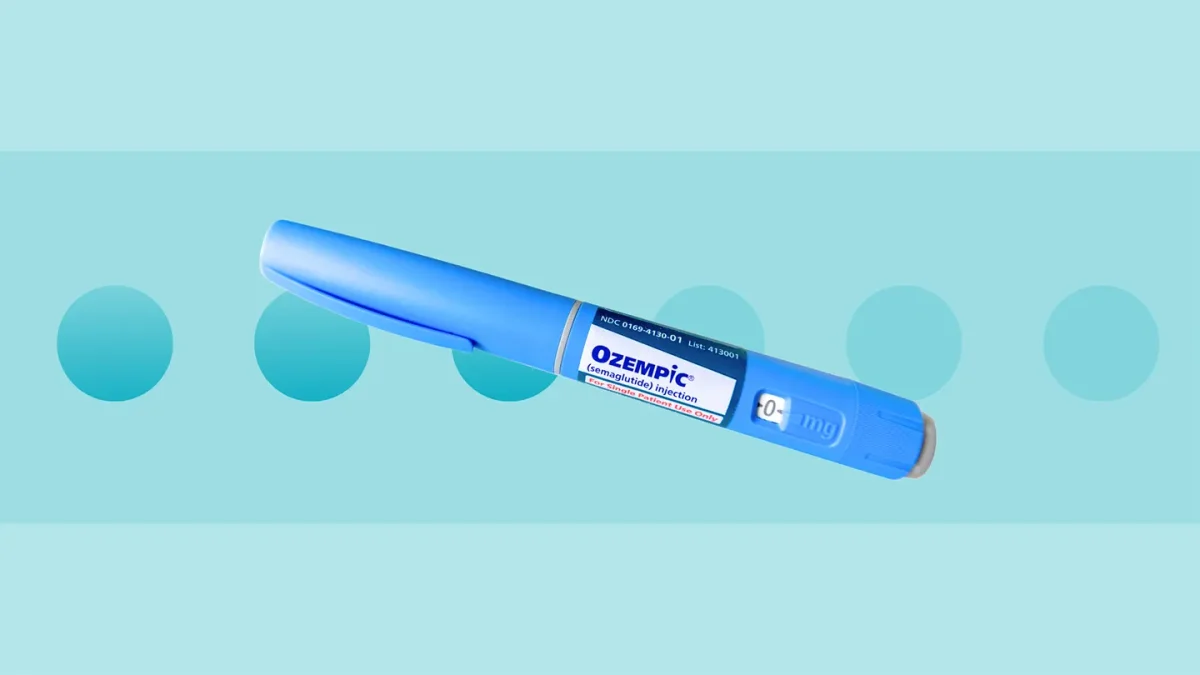 GLP-1 Microdosing: Potential Benefits, Risks and Evidence Gaps
Smaller GLP-1 doses may help some people manage side effects, but evidence is limited and dose changes need a clinician’s guidance.
-
 Six Evidence-Informed Ways to Help Protect Your Hearing
Noise protection, quieter listening and routine care may help reduce hearing risks, though these steps can’t prevent every cause of hearing loss.
-
 Five Foot Changes That May Point to Health Problems Beyond the Feet
Hair loss, tingling, sudden toe pain, swelling, or a persistent nail mark can have several causes and may warrant medical assessment.
-
 Weini Kelati Builds Toward Her First Marathon One Mile at a Time
For her New York City Marathon debut, Weini Kelati has gradually adapted to higher mileage, fueling needs and the demands of 26.2 miles.
-
 Kona Ironman Finishes Show How Quickly Late-Race Outcomes Can Change
Taylor Knibb won after a late reversal in Kona, while Solveig Løvseth finished eighth. The race offers a reminder that collapse during exertion needs medical at...
-
 Weight Loss After 65: Why Muscle and Health Matter More Than the Scale
Weight loss can remain possible with age, but preserving muscle and function matters. A clinician can help set goals that fit your health and needs.
-
 Diabetes Month Highlights Risk Awareness, Screening and Support Resources
The ADA’s November initiative highlights diabetes risk checks, early detection and practical resources, while its announcement offers no new clinical study resu...